
Resilience in the Fields of Hope: Nurturing Life and Unity in the Face of Climate Chaos
A Tale of African Agriculture's Unyielding Spirit Amidst Changing Climates.
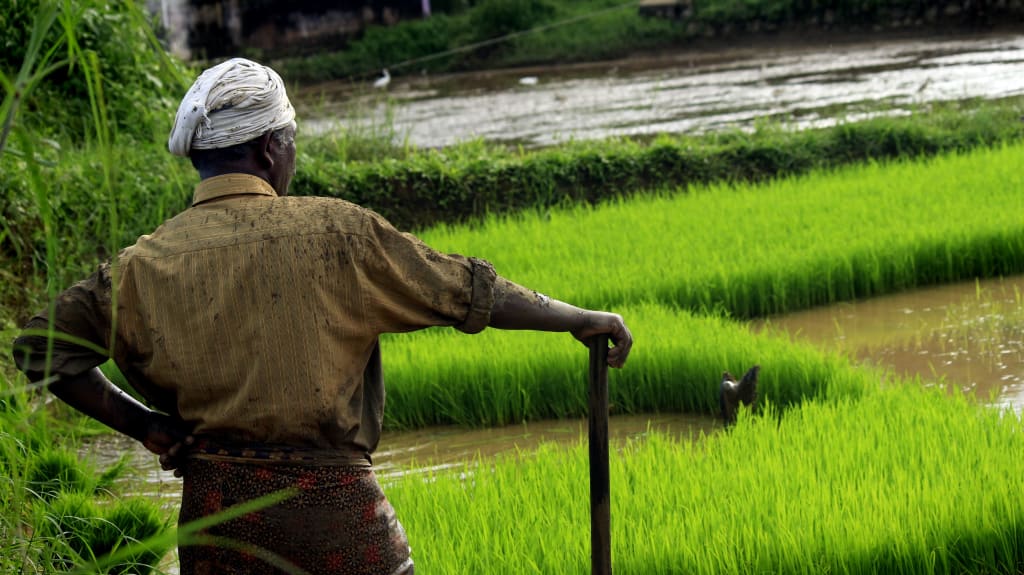
In a small village nestled between the rolling hills of East Africa, a tight-knit community thrived on the sweat of their brows and the yield of their fields. The rhythm of life was orchestrated by the changing seasons, the dance of raindrops, and the caress of the sun. Generation after generation, they tilled the earth, sowed seeds of hope, and reaped the rewards of their labor.
Ekweme, an elderly farmer with weathered hands and a heart full of stories was a guardian of the land. With each dawn, he rose to the call of the rooster, a symphony of crickets accompanying his steps. For Ekweme, the land was more than soil and crops; it was a sacred bond connecting him to his ancestors and the generations yet to come.
But the whispers of change were undeniable. The rains, once predictable, began to play tricks on the village. Erratic weather patterns led to untimely showers or prolonged droughts. The sun seemed to blaze hotter, wilting crops and stealing the vitality from the soil. Ekweme, the village's silent sentinel, noticed the anguished brows of his fellow farmers.
One year, as the planting season arrived, anxiety hung in the air like an uninvited guest. The sky, usually a canvas of promises, remained a blank slate. Ekweme watched as the villagers cast desperate gazes at the heavens, their hopes pinned on a miracle. But the miracle never came.
The crops, once a celebration of life's abundance, withered in the merciless heat. Children's laughter grew quieter as their bellies echoed with hunger. The spirit of the village was strained, the fabric of unity threatened by the harsh reality of the changing climate.
One evening, by the dying light of the setting sun, the villagers gathered around the ancient baobab tree at the heart of the village. Ekweme, his voice steady but laden with sorrow, spoke of the challenges they faced. He recounted tales of resilience from his youth, stories of how their ancestors had overcome adversities through unity and innovation.
As Ekweme spoke, the villagers found solace in his words. They remembered their roots, the strength that coursed through their veins, and the determination that had kept their traditions alive for centuries. With newfound resolve, they embraced change, determined to adapt their practices to the shifting climate.
Guided by Ekweme's wisdom and inspired by their shared history, the villagers diversified their crops, experimented with drought-resistant varieties, and embraced sustainable irrigation techniques. The once-despondent fields began to thrive again, painting the landscape with hues of green and gold.
Ekweme, with tears in his eyes, witnessed the transformation he had hoped for. The rhythm of life in the village found a new beat, one that resonated with the harmony of perseverance and adaptation. The winds of change could not break their spirit; instead, they had fortified it.
As the years rolled on, the village became a symbol of resilience in the face of adversity. Ekweme, now a guardian of both land and memory, continued to tend to his fields with a heart full of hope. The changing climate had tested their resolve, but it had also ignited a fire of innovation and unity that would burn for generations to come.
Ekweme's twilight years were filled with both challenges and triumphs. The changing climate did not relent, and each season brought its own set of tests. Yet, the village had learned to dance with the rhythm of uncertainty. They celebrated small victories—the first droplets of rain on dry soil, the stubborn sprouts that pushed through the earth, and the collective effort that sustained their way of life.
In the heart of the village, a new tradition blossomed. Each year, as the planting season began, the villagers would gather beneath the baobab tree to share stories of their struggles and successes. Ekweme's tales had become a legacy, a reminder that they were more than mere victims of circumstance.
One particularly challenging year, when the rains had been disappointingly sparse, the villagers found themselves facing adversity once again. But this time, instead of despair, they embraced a spirit of determination that had become ingrained in their souls. As they worked the land side by side, an unexpected visitor arrived—an emissary from a distant city who had heard of the village's resilience.
The emissary marveled at the lush fields that stood as a testament to the village's strength. News of their story spread far and wide, inspiring neighboring communities and even catching the attention of researchers and organizations working on climate adaptation.
With the support of these allies, the village gained access to new technologies and practices. Solar-powered irrigation systems were installed, connecting them to a more secure water source. Agroforestry initiatives flourished, adding a layer of protection against the erratic weather. The village became a model of sustainable agriculture in the face of climate change.
Ekweme, now a revered elder, stood before the villagers, the same baobab tree casting a benevolent shade. His eyes twinkled with pride as he spoke of the journey they had undertaken. He urged them to remember that they were custodians of not just the land, but of a legacy of resilience and unity.
With a heart full of gratitude, Ekweme gazed out at the fields that had seen it all—the struggles, the doubts, and the triumphs. And as the sun dipped below the horizon, casting a warm glow over the village, Ekweme's voice resonated with the hopes of generations past and the dreams of generations to come.
"The land teaches us," he said, his voice strong and clear. "It teaches us that even in the face of the harshest storms, we can find ways to bloom. Just as our crops have learned to adapt, so have we. The challenges of today are the foundations of the victories of tomorrow."
The villagers listened, their hearts swelling with pride. They knew that their journey was far from over, but Ekweme's words carried them forward, imbued with the wisdom of the land and the unwavering spirit of their community.
And so, beneath the ancient baobab tree, surrounded by the love of their people and the resilience of their land, the villagers embraced the future. The changing climate had not broken them; instead, it had forged them into a force of nature, a beacon of hope that could weather any storm.
About the Creator
Keep reading
More stories from writers in Earth and other communities.
The Hidden Reef Beside the Titanic
The Hidden Reef Beside the Titanic: A 20-Year Mystery Finally Solved In 1998, while exploring the depths near the wreck of the RMS Titanic, a diver named Paul-Henry Nargeolet detected something unusual. His sonar picked up a massive, unexplained blip close to the most famous shipwreck in the world. The signal suggested a large object on the seafloor—something far bigger than debris—but its identity remained unclear.
By Lexi Wilburn4 days ago in Earth




Comments
There are no comments for this story
Be the first to respond and start the conversation.