
Rafflesia
Exploring the Enigma of Southeast Asia's Floral Giant
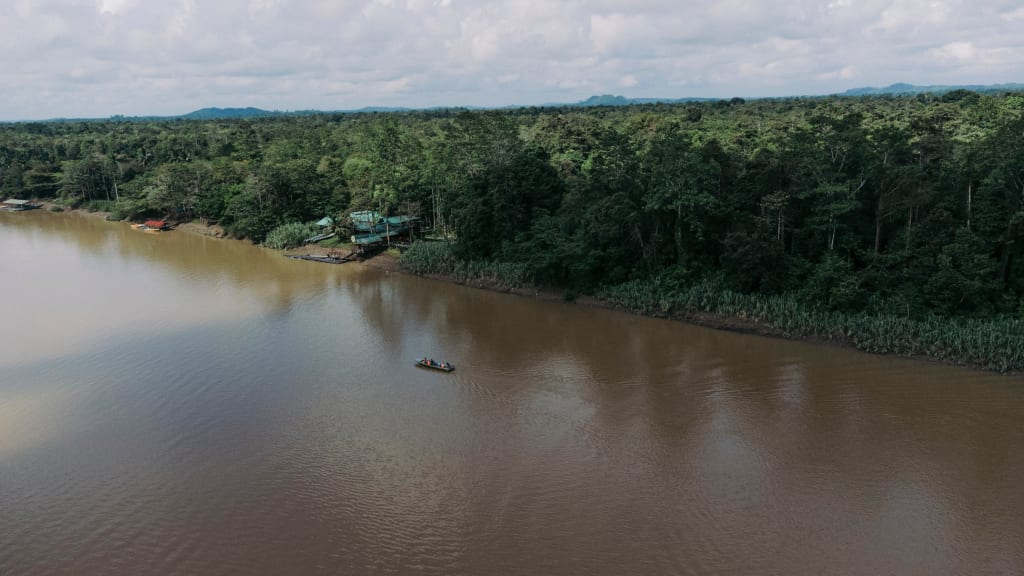
In the heart of the dense jungles of Southeast Asia emerges a botanical marvel—the Rafflesia arnoldii, the largest flower on planet Earth.
Rafflesia arnoldii is no ordinary flower; it boasts five massive petals adorned with distinctive spots, surrounding an enormous central chamber. Its scent, described as unforgettable, is just one of the many intriguing features of this rare and colossal bloom.
While other plants may surpass Rafflesia arnoldii in height, such as the titan arum or the corpse flower, Rafflesia claims the title of the world's largest single flower. These remarkable blooms can weigh up to seven kilograms and stretch up to one meter across, making them a true spectacle in the jungles where they thrive.
Native to the jungles of Southeast Asia, particularly Indonesia, Rafflesia is affectionately referred to as "padma" in Indonesia, originating from the Sanskrit word for lotus. In Sumatra, it goes by the name "krubat," meaning great flower. The flower's scientific name, Rafflesia arnoldii, pays homage to Joseph Arnold, the first European botanist to discover it, and Sir Stamford Raffles, the leader of the expedition.
Rafflesia's uniqueness lies in its parasitic nature—it has no stems, leaves, or roots. Instead, it thrives as a parasite inside vines, specifically the woody vine of the genus Tetrastigma. The plant steals water and nutrients from its host, growing stronger until it is ready to bloom. The flowering bud, approximately 12 inches in diameter, undergoes a ten-month development phase before unfurling into the magnificent flower.
As the flower blooms, its five leathery, red-spotted petals converge into a central chamber, resembling a massive pot. The chamber is spacious enough to hold six liters of water, and within the opening, spiky protrusions called proboscis add to the plant's intriguing structure. While researchers are still unraveling the purpose of the proboscis, one theory suggests they may produce heat to intensify the plant's distinctive odor.
Indeed, Rafflesia's most notorious characteristic is its odor, mimicking the smell of rotting dead animals. The flower's leathery petals, warts, and internal hairs complete the illusion, attracting carrion flies. These flies, drawn to both the scent and color of the male Rafflesia, enter the center, hoping to find food and a suitable spot for egg-laying. In the process, a mass of pollen is deposited on their backs.
However, the success of Rafflesia's reproductive strategy relies on the proximity of a female Rafflesia, a rarity due to the flower's scarcity. After a brief period of bloom, lasting less than a week, the Rafflesia rots and dies, leaving behind a slimy black mass.
Despite its inherent rarity, Rafflesia faces the looming threat of extinction. Human activities, particularly deforestation, pose a significant danger to the flower's survival. Destruction of the rainforest and the potential loss of its host vine leave Rafflesia with limited options for growth.
The poaching of Rafflesia buds for culinary and herbal purposes further contributes to its decline. Locals, considering the flower a delicacy and attributing medicinal properties to it, have led to the overharvesting of this botanical wonder.
In conclusion, Rafflesia arnoldii stands as a symbol of both natural wonder and fragility. Its giant blooms, captivating appearance, and unique reproductive strategy highlight the intricate dance between plant and environment. As we explore the mysteries of Rafflesia, we are reminded of the delicate balance that must be maintained to ensure the survival of this rare and remarkable giant in the heart of Southeast Asian jungles.
Discover the awe-inspiring Rafflesia arnoldii, the world's largest flower. With seven kilograms of beauty, it captivates the jungles of Southeast Asia. Explore its mysteries with Floralogic!
About the Creator
Līva
World is interesting place. Scary, but worth living.
Nature is full of surprises and people are... well, people are something else.
Art is the best doctor.
US Warns Airlines About Military Activity in Parts of Latin America
Commercial aviation is built on predictability—clearly defined airspace, coordinated air traffic control, and shared international rules. When that predictability is disrupted, even subtly, the ripple effects can stretch far beyond the cockpit. That is exactly why a recent warning from the United States has caught the attention of airlines, governments, and travelers alike. In early 2026, US aviation authorities issued an advisory warning airlines about military activity in parts of Latin America, urging pilots to exercise heightened caution when flying over certain regions. While no immediate restrictions or flight bans were imposed, the message itself was clear: something in the skies has changed, and the risks—however limited—can no longer be ignored. This development is not just about aviation safety. It reflects a growing intersection between geopolitics, military operations, and civilian infrastructure in a region that has long balanced cooperation with tension. What Exactly Did the US Warn About? The advisory, released through official aviation safety channels, highlighted concerns over potential military activity affecting airspace across parts of Mexico, Central America, South America, and nearby oceanic regions. Airlines were advised to remain vigilant during all phases of flight, including cruising at high altitudes, takeoff, and landing. Unlike routine notices related to weather systems or airport congestion, this warning explicitly referenced security-related risks. These include the possibility of unexpected military movements, temporary airspace disruptions, and interference with navigation systems that modern aircraft rely on for safe operations. Importantly, the warning did not accuse any specific country of wrongdoing, nor did it suggest an immediate danger to passengers. Instead, it served as a precaution—one designed to ensure airlines adjust flight planning, monitoring, and communication protocols accordingly. Why Military Activity Matters to Civil Aviation To the average traveler, military exercises or operations may seem distant from the experience of flying on a commercial jet. In reality, the two worlds often share the same skies. Civilian aircraft depend heavily on satellite navigation, coordinated air traffic control, and stable airspace rules. Military operations—especially those involving fast-moving aircraft, surveillance systems, or electronic equipment—can introduce uncertainty into that environment. Some of the key risks aviation authorities monitor include: Unplanned military aircraft movements that may not follow civilian flight patterns Temporary airspace closures or restrictions that require last-minute rerouting Navigation signal disruptions, whether accidental or intentional Increased congestion in strategic corridors used by both civilian and military flights While these risks are typically managed through coordination and communication, heightened military activity raises the stakes. The FAA’s advisory suggests that such activity has reached a level where additional caution is warranted. The Geopolitical Context Behind the Warning The timing of the advisory is not accidental. Latin America has seen a noticeable rise in security operations and military coordination involving the United States over the past year. These efforts are largely focused on counter-narcotics missions, maritime security, and regional stability, particularly in areas with strategic shipping routes or ongoing political tension. At the same time, broader global dynamics—ranging from great-power competition to shifting alliances—have increased the strategic importance of air and sea routes across the Western Hemisphere. From Washington’s perspective, issuing an aviation warning is not about alarmism. It is about acknowledging that military and security activities in the region may temporarily affect civilian systems, including aviation. How Airlines Are Responding For airlines, advisories like this are not unusual—but they are taken seriously. Most major carriers already operate with layered safety systems that allow them to respond quickly to changing conditions. In practical terms, this warning may lead to: Slight route adjustments to avoid specific airspace Enhanced pilot briefings before flights Increased coordination with air traffic controllers Closer monitoring of navigation and communication systems So far, there have been no widespread flight cancellations or suspensions linked directly to the warning. That suggests airlines view the risk as manageable, provided proper precautions are followed. Reactions from Latin American Governments Some governments in the region have been quick to reassure the public. Officials have emphasized that their national airspace remains safe and fully operational, and that civilian flights continue without disruption. This response highlights an important tension: while the US warning is precautionary, it can still affect public perception. Tourism, business travel, and investor confidence are all sensitive to suggestions of instability—even when no immediate danger exists. As a result, many countries are walking a careful line between cooperating on aviation safety and defending their reputation for stability. What This Means for Passengers For travelers, the key takeaway is simple: commercial aviation remains safe. Warnings like this are designed to prevent incidents, not predict them. Passengers flying through or over affected regions may experience slightly longer flight times or minor schedule adjustments, but there is no indication of increased danger to civilian aircraft. In fact, the existence of such advisories demonstrates how seriously aviation authorities take even low-probability risks. A Sign of a More Complex World The US warning to airlines is a reminder that modern air travel does not exist in a vacuum. As military operations, security concerns, and geopolitical rivalries evolve, civilian systems—from shipping lanes to flight paths—are increasingly affected. This moment underscores a broader reality: the skies are becoming more crowded, more contested, and more interconnected with global politics. Managing that complexity will require continued transparency, cooperation, and vigilance from governments, regulators, and airlines alike. For now, planes continue to fly, passengers continue to travel, and the system continues to work. But behind the scenes, aviation authorities are quietly adjusting to a world where safety is shaped not just by weather and mechanics—but by geopolitics as well.
By Muhammad Hassanabout 18 hours ago in Earth




Comments
There are no comments for this story
Be the first to respond and start the conversation.