
Protecting the Marine Environment: Preserving Our Blue Planet
Preserving Our Oceans: Strategies for Protecting the Marine Environment

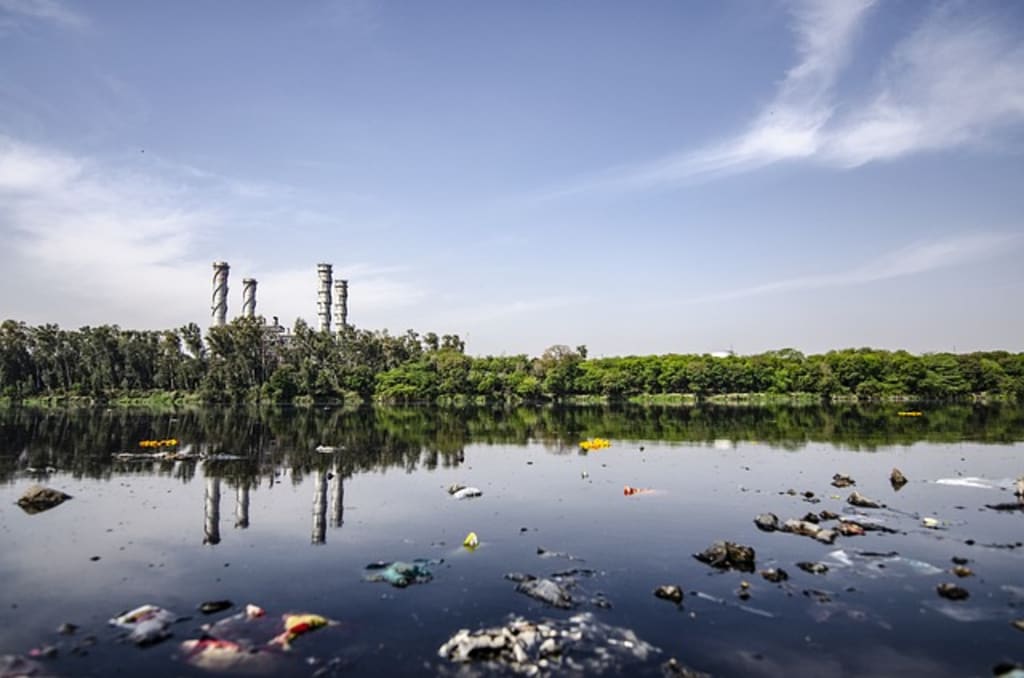
The marine environment is a vast ecosystem that encompasses oceans, seas, and other bodies of saltwater, playing a crucial role in sustaining life on Earth. However, this fragile ecosystem is facing numerous threats due to human activities and environmental degradation. To safeguard the health and sustainability of our oceans, concerted efforts must be made to protect and conserve the marine environment.
Where the protection of the marine environment is a set of efforts and measures that are taken to preserve the health and diversity of ecosystems in the oceans and seas and contribute to the preservation of marine resources for current and future generations. The marine environment is a vital environment rich in biodiversity and plays a crucial role in regulating the Earth's climate and providing food and vital resources.
This article explores the importance of protecting the marine environment and highlights some key strategies for its preservation.
The marine environment faces many threats that come from inside and outside it, and warns of dire consequences unless the matter is remedied. Individuals, organizations and institutions fulfill their duty to protect this environment, which is a source of wealth and wealth, and an essential pillar in maintaining the ecological balance.
1-The importance of the Marine Environment:
The marine environment is a source of about 50% of the oxygen that humans breathe, and it is produced by algae and aquatic plants. It is the home and habitat of about 80% of living organisms on Earth. In addition to the goods and wealth that man extracts from the marine environment, there is maritime trade, which represents about 90% of world trade.
The marine environment is a biodiversity hotspot, hosting diverse species such as coral reefs, whales, and fish, which maintain ecological balance and provide resources for human societies. Oceans serve as natural carbon sinks, regulating global climate patterns and weather systems, while also supporting economic sectors like fisheries, tourism, shipping, and offshore energy. Protecting the marine environment is crucial for sustaining livelihoods, economic prosperity, and the well-being of coastal communities.
2-Major Threats to the Marine Environment:
The marine environment is exposed to many threats and challenges that threaten its health and sustainability. Among the main threats facing the marine environment, the following can be mentioned:
- Marine Pollution: Marine pollution is one of the biggest threats to the marine environment. It includes oil pollution, chemical spills, volatile organic pollutants, and plastic waste. This pollution affects marine life and coral reefs, causing a decrease in water quality and an increase in harmful substances.
- Increasing ocean temperature: The average ocean temperature is increasing as a result of climate change and greenhouse gas emissions. This rise in water temperature affects biodiversity and causes the dissolution of coral reefs, changes in the distribution of marine species, an increase in the occurrence of thermal slip phenomena, and the extinction of marine organisms.
- Overfishing: Unsustainable fishing practices, such as excessive harvesting and destructive fishing methods, deplete fish stocks and disrupt the delicate balance of marine ecosystems. This can lead to the collapse of fisheries and negatively impact the entire food chain
- Habitat Destruction: Destruction of critical coastal habitats, such as coral reefs, mangroves, and seagrass beds, has a detrimental impact on marine ecosystems. These habitats serve as breeding and feeding grounds for many species and provide protection against coastal erosion. Their destruction leads to the loss of biodiversity and disrupts the overall ecosystem balance.
- Invasive Species: Introduction of non-native species into marine ecosystems can have severe impacts on native species and habitats. Invasive species can outcompete native species for resources, disrupt food chains, and alter the structure and function of marine ecosystems.
- Acidification and Deoxygenation: Increased carbon dioxide emissions are not only leading to climate change but also causing ocean acidification. The absorption of excess carbon dioxide by the oceans leads to a decrease in pH levels, which can have detrimental effects on marine organisms, particularly those with calcium carbonate shells or skeletons, such as corals and shellfish. Deoxygenation, or hypoxia, occurs when oxygen levels in the water decrease, often as a result of nutrient pollution from human activities, leading to the creation of "dead zones" where marine life cannot survive.
- Illegal, Unreported, and Unregulated (IUU) Fishing: IUU fishing refers to fishing activities that are conducted without proper authorization, documentation, or compliance with regulations. This illegal practice depletes fish stocks, disrupts ecosystems, undermines conservation efforts, and threatens the sustainability of fisheries.
- Thermal Pollution: Discharge of heated water from industrial processes or power plants into the ocean can lead to thermal pollution. Elevated water temperatures can negatively affect marine life, including sensitive species such as coral reefs and other organisms that are adapted to specific temperature ranges. Thermal pollution can alter reproductive cycles, disrupt feeding patterns, and increase susceptibility to diseases.
- Illegal Wildlife Trade: The illegal trade of marine wildlife, including species like seahorses, sea turtles, and certain fish species, poses a significant threat to the marine environment. Overexploitation for the aquarium trade, traditional medicine, and luxury goods drives declines in populations and can lead to the collapse of ecosystems.
- It is crucial to address these threats through sustainable and responsible practices, international cooperation, scientific research, and community engagement. By recognizing the significance of these issues and taking appropriate action, we can work towards safeguarding the marine environment for future generations and ensure its long-term health and sustainability.
3- strategies for protecting the marine environment:
The protection of the marine environment is of paramount importance to ensure the health and sustainability of our oceans.
These strategies aim to minimize negative impacts, restore degraded habitats, and promote sustainable practices. By implementing these strategies, we can safeguard marine biodiversity, maintain the integrity of ecosystems, and secure the well-being of both marine life and coastal communities. Here are some strategies for protecting the marine environment:
- Establishing Marine Protected Areas (MPAs): Implementing MPAs is an effective strategy for conserving vulnerable marine ecosystems, protecting endangered species, and restoring degraded habitats. These designated areas act as sanctuaries for marine life, allowing populations to recover and ensuring the preservation of biodiversity.
- Reducing Pollution: Implementing strict regulations and policies to reduce pollution from land-based sources is essential for protecting the marine environment. This includes controlling industrial and agricultural runoff, improving wastewater treatment systems, and promoting recycling and waste management practices. Reducing plastic waste and promoting alternatives to single-use plastics is particularly important to combat marine pollution.
- Conserving Coastal Habitats: Preserving and restoring critical coastal habitats such as coral reefs, mangroves, seagrass beds, and salt marshes is crucial for the health of marine ecosystems. These habitats provide shelter, breeding grounds, and food sources for numerous species. Protecting and restoring these habitats helps maintain biodiversity and enhances the resilience of coastal ecosystems to climate change impacts.
- International Cooperation: Collaborative efforts between countries, organizations, and stakeholders are essential for effective marine conservation. International agreements, such as the United Nations Convention on the Law of the Sea (UNCLOS) and regional fisheries management organizations, play a crucial role in promoting sustainable fishing practices, marine research, and conservation efforts on a global scale.
- Education and Awareness: Increasing public awareness about the importance of the marine environment is crucial for fostering a sense of stewardship. Educational programs, public campaigns, and community engagement initiatives can help raise awareness about marine conservation issues, promote sustainable behaviors, and empower individuals to make informed choices that support the protection of the marine environment.
- Encouraging Sustainable Aquaculture: Promoting sustainable aquaculture practices can help reduce pressure on wild fish stocks. Responsible aquaculture involves minimizing environmental impacts, optimizing feed efficiency, reducing the use of chemicals and antibiotics, and ensuring proper waste management. Implementing regulations and certification programs can help ensure the sustainability of the aquaculture industry.
- Integrated Coastal Zone Management (ICZM): Implementing ICZM approaches helps ensure the sustainable management of coastal areas. This involves balancing economic development with environmental conservation through comprehensive planning, stakeholder involvement, and the integration of land and marine management practices. ICZM aims to protect coastal habitats, manage coastal erosion, and mitigate the impacts of human activities on marine ecosystems.
In the conclusion,Preserving the marine environment is essential for the well-being of our planet and future generations. By implementing effective strategies and taking collective action, we can mitigate the threats facing our oceans and ensure the long-term health and sustainability of this invaluable ecosystem. Protecting the marine environment is not only a responsibility but also an opportunity to foster a harmonious relationship between humans and the natural world, ultimately safeguarding the beauty and integrity of our blue planet.
It is imperative that governments, organizations, communities, and individuals come together to actively engage in these strategies and make a positive impact on the marine environment. Through collective efforts, we can ensure a healthy, vibrant, and resilient marine ecosystem for current and future generations to enjoy and benefit from.
About the Creator
lynda
I have always enjoyed writting and exploring new ideas.
Chinese Planetary Engineering: The Great Green Wall and the Reclamation of Climate
There are junctures in history where a civilization no longer chooses between comfort and progress, but between adaptation and extinction. At the dawn of the new millennium, China hit one of those silent thresholds where geography ceases to be a backdrop and becomes an adversary. The desert was advancing, not as a metaphor for decay, but as a physical, methodical, and relentless force. Sand was devouring the horizon, winds grew heavy with dust, and the soil lost its fertile memory, taking with it the promise of social stability.
By Laurenceau Porte2 days ago in Earth



Comments
There are no comments for this story
Be the first to respond and start the conversation.