
Protecting Forests and Biodiversity: Guardians of Climate Mitigation and Ecosystem Preservation
Forests and ecosystems, our Earth's green lungs, stand as steadfast sentinels in the battle against climate change...

Introduction
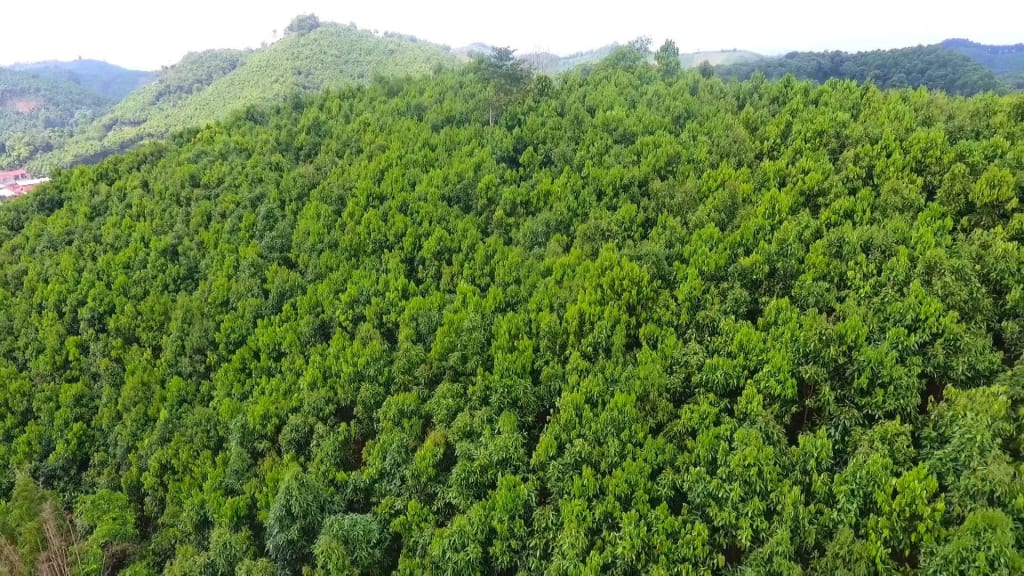
Forests and ecosystems, our Earth's green lungs, stand as steadfast sentinels in the battle against climate change. Their role in absorbing greenhouse gases and preserving biodiversity is invaluable. Protecting forests and safeguarding precious natural areas are pivotal components of the overarching mission to combat climate change. This essay delves into the vital importance of forests and biodiversity in the context of climate change mitigation and underscores the critical need for their preservation.
Forests as Climate Warriors
Forests are formidable climate warriors. Their ability to absorb and store vast amounts of carbon dioxide is an essential mechanism for climate change mitigation. Through the process of photosynthesis, trees and vegetation absorb carbon dioxide from the atmosphere and convert it into oxygen and organic matter. This not only helps to reduce the concentration of greenhouse gases in the atmosphere but also provides the oxygen we breathe.
The preservation and sustainable management of forests are critical in maintaining this carbon sink. Deforestation, primarily driven by activities like logging and land conversion, not only releases stored carbon back into the atmosphere but also diminishes the Earth's capacity to absorb further emissions. To address this, initiatives such as reforestation and afforestation are essential. They involve planting trees in deforested areas or converting non-forest lands into forested areas, respectively, contributing to both carbon sequestration and ecosystem restoration.
Biodiversity's Integral Role
Biodiversity is another pivotal element in the fight against climate change. Ecosystems rich in biodiversity are more resilient and adaptable in the face of environmental changes. A diverse range of species within ecosystems ensures that vital ecological functions continue to operate effectively. These functions, such as pollination, nutrient cycling, and pest control, are essential for the health and stability of ecosystems and agriculture.
In the context of climate change, preserving biodiversity becomes increasingly crucial. As temperatures rise and habitats shift, species that are more adaptable and diverse are better equipped to survive and thrive. Biodiversity can also act as a buffer against the consequences of climate change, helping ecosystems to withstand disruptions and aiding in their recovery.
Conservation of Pristine Areas
Conserving pristine and rare natural areas is a key component of the broader effort to protect our planet from climate change. These areas are often sanctuaries for unique and endangered species, many of which play critical roles in their ecosystems. Preserving these areas helps maintain the health and diversity of life on Earth.
The conservation of pristine natural areas also contributes to the mitigation of climate change. These untouched landscapes store vast amounts of carbon and are vital in offsetting emissions. Their protection ensures that they continue to serve as carbon sinks, helping to regulate the global climate.
Conclusion
In conclusion, protecting forests and biodiversity is an indispensable part of the campaign against climate change. Forests, with their carbon-absorbing capabilities, are essential tools in the battle to reduce greenhouse gas emissions. The preservation of biodiversity ensures the resilience and adaptability of ecosystems in the face of a changing climate.
Moreover, the conservation of pristine natural areas not only safeguards unique and endangered species but also bolsters global efforts to mitigate climate change. These areas, with their vast carbon storage potential, are critical in offsetting emissions and maintaining the health and stability of our planet.
As we strive to address climate change comprehensively, it is imperative that we recognize and uphold the crucial roles of forests, biodiversity, and the conservation of precious natural areas. Their preservation is not only an environmental imperative but also a collective commitment to ensuring a sustainable and thriving planet for generations to come.
About the Creator
Heulwen
I cherish the process of crafting words and sentences, creating a world of imagination through my writing.
The Boy Who Planted Tomorrow
When people looked at the dry field behind Hamza’s house, they saw nothing but cracked soil and stubborn weeds. The land had once belonged to his grandfather, who had grown vegetables there for decades. But after years of drought and neglect, the field became lifeless. Neighbors shook their heads whenever they passed by. “Nothing grows there anymore,” they would say. For them, the field was finished. For Hamza, it was unfinished.
By Sudais Zakwan5 days ago in Earth


Comments
There are no comments for this story
Be the first to respond and start the conversation.