
The Boy Who Planted Tomorrow
Growing Hope in Barren Soil

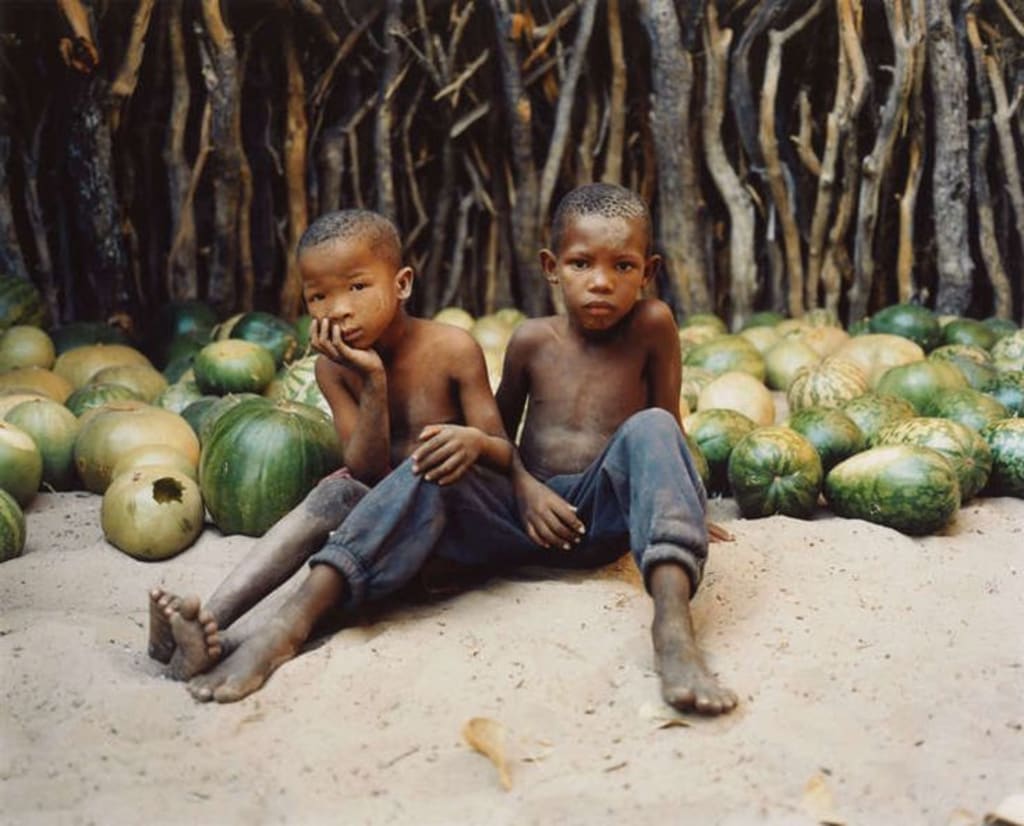
When people looked at the dry field behind Hamza’s house, they saw nothing but cracked soil and stubborn weeds. The land had once belonged to his grandfather, who had grown vegetables there for decades. But after years of drought and neglect, the field became lifeless. Neighbors shook their heads whenever they passed by. “Nothing grows there anymore,” they would say. For them, the field was finished. For Hamza, it was unfinished.
At sixteen, Hamza was not particularly strong or wealthy, but he was observant. He had learned from his grandfather that soil, like people, sometimes needed patience more than force. One afternoon, while cleaning the storage shed, Hamza found a small wooden box filled with old seed packets. On each packet, his grandfather had written notes in faded ink: “Plant before first rain,” “Water gently,” “Trust the roots.” Holding the box felt like holding a piece of family history.
That evening, Hamza stood in the middle of the barren field. The ground felt rough beneath his shoes. A part of him feared the neighbors were right—that the land was beyond saving. But another part remembered his grandfather’s voice: “The earth listens when you treat it with respect.” The next morning, Hamza began clearing stones and weeds under the rising sun. It was exhausting work. Blisters formed on his hands, and sweat soaked through his shirt. Still, he returned every day after school, slowly preparing the soil.
People noticed. Some laughed kindly, calling it a “child’s experiment.” Others warned him not to waste his time. Hamza listened politely but continued working. He studied farming techniques online, learned about composting, and collected organic waste from neighbors willing to help. He dug trenches to capture rainwater and built small barriers to prevent soil erosion. Progress was slow, almost invisible. Weeks passed with no visible change, and doubt began creeping into his mind.
Then, one early morning after a light rain, Hamza saw something small but extraordinary—a thin green shoot pushing through the brown earth. He knelt beside it, hardly breathing. It was fragile, barely noticeable, yet it carried more hope than the entire field had shown in years. Over the following days, more shoots appeared. Tiny leaves stretched toward the sunlight as if claiming their right to exist.
The transformation did not happen overnight. Some plants failed. Others grew stronger. Hamza learned through mistakes—watering too much, planting too closely, misjudging the weather. But with each setback, he adapted. The field gradually shifted from dull brown to patches of green. Tomatoes ripened under the sun, spinach leaves spread wide, and small flowers bloomed along the edges. What was once dismissed as dead land became a living garden.
Neighbors began to visit, curiosity replacing doubt. Children volunteered to help water the plants. Elderly residents shared forgotten farming advice. The field, once abandoned, became a place of connection. Hamza insisted that anyone could take vegetables home. “It belongs to everyone,” he would say. The garden became more than a source of food—it became proof that restoration was possible.
Months later, standing in the middle of the thriving garden, Hamza understood that he had not only grown crops; he had grown resilience. The cracked soil had mirrored his own fears of failure. By nurturing the land, he had learned persistence, responsibility, and faith in gradual progress. The field no longer symbolized loss; it represented renewal.
Years later, when asked how he succeeded where others had given up, Hamza would smile and answer simply, “I planted tomorrow instead of worrying about yesterday.” The once-barren field remained a reminder that with patience, care, and belief, even the most neglected ground can bloom again.
About the Creator
Sudais Zakwan
Sudais Zakwan – Storyteller of Emotions
Sudais Zakwan is a passionate story writer known for crafting emotionally rich and thought-provoking stories that resonate with readers of all ages. With a unique voice and creative flair.
Keep reading
More stories from Sudais Zakwan and writers in Earth and other communities.
The Day the Sky Turned Violet
It began quietly, almost imperceptibly. Early one morning, townspeople noticed the sky had taken on a strange shade—soft at first, a pale lavender that glimmered at sunrise. By midday, it deepened into a surreal violet, casting everything in unnatural light. Birds flew erratically, as if confused by the altered hue, and even the wind seemed hesitant, brushing through streets without its usual rhythm. People stepped outside, phones in hand, snapping pictures and sharing posts online. At first, scientists dismissed it as a rare atmospheric anomaly. But the unusual sky was only the beginning.
By Sudais Zakwana day ago in Earth




Comments
There are no comments for this story
Be the first to respond and start the conversation.