
Problems Regarding The Use Of Fossil Fuel
Its Positive & Negative Effect...

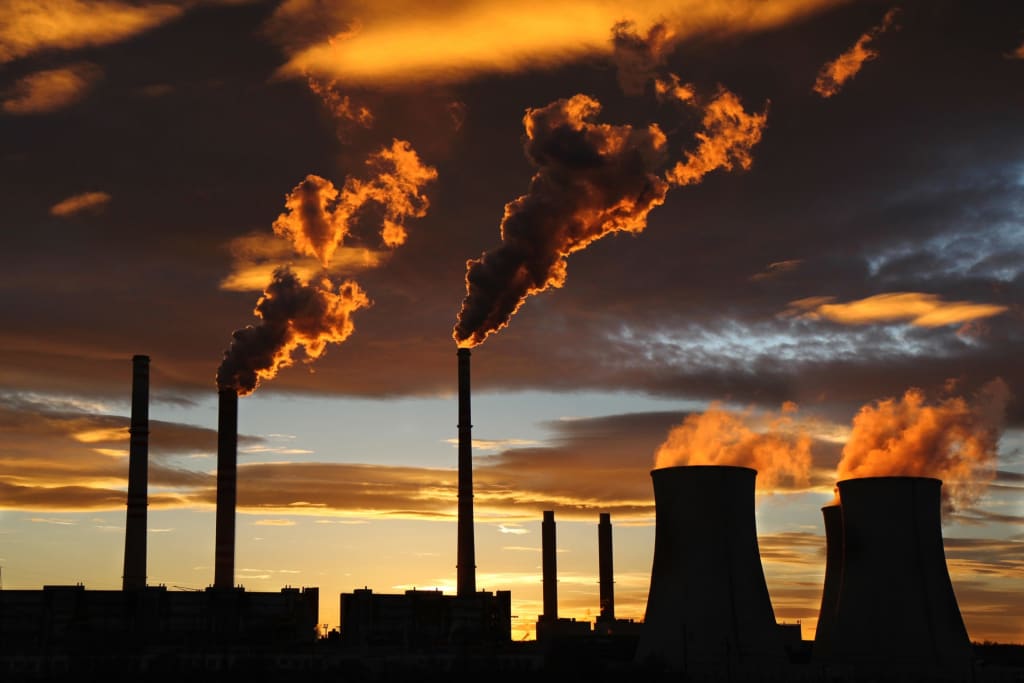
For the past two centuries, fossil fuels have been the main source of energy for human society, yet using them has had a substantial good and negative impact on the environment, human health, and the economy. I'll discuss the drawbacks of using fossil fuels as well as both their advantages and disadvantages.
First off, burning fossil fuels has a bad effect on the ecosystem. Carbon dioxide and other greenhouse gases are released into the atmosphere when fossil fuels are burned, which causes global warming and climate change. Extreme weather conditions, rising sea levels, and biodiversity loss could result from this. Oil spills, habitat devastation, and deforestation are just a few examples of the serious environmental harm that can result from the production of fossil fuels, such as coal mining and oil drilling. On the planet, these detrimental effects may have long-lasting and permanent effects.
Second, using fossil fuels has detrimental effects on people's health. In addition to raising the risk of heart disease and stroke, air pollution from the combustion of fossil fuels can cause respiratory issues like asthma and bronchitis. Fossil fuel extraction and transportation can potentially put the health of workers and nearby communities at risk through exposure to harmful chemicals and mishaps like explosions and spills. Both people and communities may suffer great suffering as a result of these adverse effects.
Thirdly, using fossil fuels has detrimental effects on the economy. Governments provide about $5 trillion in subsidies annually to the global fossil fuel industry, making it a heavily subsidised sector. The market is distorted by these subsidies, which also impede the advancement of renewable energy technologies. Fossil fuel extraction and transportation also necessitate substantial capital expenditures and infrastructure, which may have detrimental economic effects on regional economies and nations that are heavily dependent on exports of fossil fuels. These detrimental effects may hurt the economy and lessen chances for expansion and improvement.
Despite these drawbacks, there are advantages to using fossil fuels. Fossil fuels have contributed significantly to the advancement of human health and wellbeing while enabling the quick industrialization of countries. Worldwide, fossil fuels have powered homes, companies, and transportation networks by offering dependable and economical energy. These advantageous effects have been crucial for raising living standards and increasing opportunities for both individuals and communities.
The drawbacks of fossil fuels, however, are steadily outweighing their advantages. Renewable energy sources, like solar and wind power, are becoming more and more competitive with fossil fuels as a result of major cost reductions in recent years. Additionally, there are several advantages of renewable energy technology over fossil fuels, such as less emissions, less reliance on limited resources, and improved energy security.
There are a number of solutions that may be put into practise to address the negative effects of fossil fuels and make the transition to a more sustainable energy system. Promoting energy efficiency can help by lowering the amount of energy needed to run our buildings, companies, and transportation networks. Investing in renewable energy technologies like solar and wind power can also help reduce greenhouse gas emissions while providing dependable and affordable energy.
Implementing policies that encourage the shift to a low-carbon economy, such as carbon pricing and rules that restrict emissions from fossil fuel sectors, is the third option. This may serve as a motivator for businesses and people to switch from fossil fuels to renewable energy sources.
Despite the fact that using fossil fuels has produced a number of advantages over the past 200 years, it is becoming increasingly obvious that they have detrimental effects on the environment, human health, and the economy. Promoting energy efficiency, making investments in renewable energy technology, and putting in place regulations that restrict emissions from fossil fuels are all important to solve these issues and make the transition to a more sustainable energy system. We can assure a more sustainable and affluent future for present and future generations by implementing these actions.
About the Creator
Keep reading
More stories from Manaan Aamir and writers in Earth and other communities.
Problems of Using Fossil Fuel
Fossil fuels have been the primary source of energy for human societies for the past two centuries, but the use of these fuels has had significant positive and negative effects on the environment, human health, and the economy. I will explain the problems associated with using fossil fuels and their positive and negative effects.
By Manaan Aamir3 years ago in Earth
Trump’s Posturing Over Greenland Has Changed the Transatlantic Alliance Forever
In recent weeks, U.S. President Donald Trump’s aggressive stance on Greenland has sent shockwaves through Europe, prompting officials to warn that the transatlantic alliance may never return to its previous equilibrium. What began as heated discussions over Arctic strategy and territorial influence quickly escalated into a diplomatic standoff that tested the foundations of NATO, revealing tensions that European leaders say could have long-term consequences.
By Muhammad Hassan3 days ago in Earth
Antarctic Penguin Breeding Is Heating Up Sooner — and That’s a Big Problem
Scientists have discovered that penguins in Antarctica are starting their breeding season earlier than ever before — a change that might sound harmless but is actually raising alarms among researchers. As temperatures in the Southern Hemisphere rise and sea ice patterns shift, these iconic birds are facing challenges that could ripple through the entire Antarctic ecosystem. The finding, based on decades of field observations, highlights how climate change is not just melting glaciers or warming oceans — it is directly affecting wildlife behaviors in ways that could have long-term consequences. For communities of scientists, conservationists, and even eco-tourists who value Antarctica’s unique wildlife, the implications are serious. Why Penguin Breeding Is Happening Sooner For decades, researchers have tracked the Adélie and emperor penguin populations across Antarctica. By comparing breeding dates with historical data, they noticed a clear trend: penguins are laying eggs and hatching chicks earlier than in previous decades. Dr. Samantha Hughes, a marine biologist studying Antarctic ecosystems, explained: “Penguins are highly sensitive to environmental cues. Warmer temperatures and earlier ice melt mean that the conditions they rely on for breeding are coming sooner, so they adjust their reproductive cycles.” At first glance, this might seem like an adaptive behavior. After all, responding to environmental changes is part of survival. But scientists warn that earlier breeding can create new problems, particularly when it comes to food availability and weather patterns. The Challenges of Earlier Breeding Penguins depend on a delicate balance between breeding timing, ice coverage, and food supply. Fish and krill, which are the primary food sources for chicks, follow their own seasonal patterns. If penguins hatch too early, they may face a mismatch between the peak food supply and the period when chicks need it most. This phenomenon, known as phenological mismatch, can have serious consequences: Chick starvation: Chicks may hatch before food sources are abundant enough to sustain them. Increased predation: Younger, weaker chicks are more vulnerable to predators. Colony instability: Uneven survival rates can disrupt social structures and breeding success within colonies. Dr. Hughes adds: “Even a difference of a few weeks in hatching times can affect survival rates. In an environment as extreme as Antarctica, timing is everything.” Climate Change Is the Driving Force Scientists point to rising temperatures, changing sea ice patterns, and shifting winds as the main factors behind earlier breeding. Over the past 50 years, Antarctic regions have warmed at rates faster than the global average, leading to earlier ice melt in spring. Sea ice is critical because it provides stable platforms for penguins to nest and raise their chicks. When ice melts too early, penguins may be forced to nest in less secure locations, increasing the risk of flooding and chick loss. Additionally, the warming waters affect the abundance of krill, tiny crustaceans that are the foundation of the Antarctic food web. Less krill means less food for penguins, further exacerbating the effects of early breeding. Why This Matters Beyond Penguins Penguins are often seen as indicator species, meaning that changes in their populations can signal broader environmental shifts. If penguin breeding and survival are disrupted, it could indicate that the entire Antarctic ecosystem is under stress, including seals, seabirds, and even fish populations that humans rely on. Communities involved in Antarctic research are particularly concerned because this disruption can affect long-term conservation strategies. Protecting species like penguins isn’t just about preserving wildlife; it’s about maintaining ecosystem health in a region that plays a critical role in regulating global climate. Observing the Changes Researchers have been using a combination of satellite imaging, on-the-ground observation, and drones to monitor penguin colonies. These methods allow scientists to track: Egg-laying dates Chick hatching and growth Colony sizes and survival rates Data collected over decades show a clear pattern: in some regions, penguins are breeding up to two weeks earlier than 50 years ago. While that might seem minor, in the fragile Antarctic environment, even small changes can have cascading effects. What Can Be Done Addressing this problem requires both local and global action. On a local level, conservationists are working to protect key breeding grounds and monitor populations for signs of stress. International cooperation is crucial, because Antarctica is governed by treaties that involve multiple countries. On a broader scale, tackling the root cause — climate change — is essential. Scientists emphasize reducing greenhouse gas emissions to slow warming trends and protect fragile ecosystems. As Dr. Hughes notes: “If we don’t address climate change, these changes aren’t just a temporary anomaly. They could lead to permanent shifts in penguin populations and Antarctic ecosystems.” The Human Connection This issue isn’t just about penguins. Communities of researchers, scientists, and environmental advocates rely on a stable Antarctic ecosystem for studies that inform global climate policy. Eco-tourism communities also depend on healthy penguin populations for responsible tourism, which can be a source of income and education. In other words, the timing of penguin breeding may seem like a small, isolated detail, but it has broader implications for science, conservation, and global awareness. Looking Ahead The discovery that Antarctic penguins are breeding earlier is a wake-up call. It highlights how climate change can subtly, yet profoundly, alter animal behavior. Scientists, conservationists, and policymakers must collaborate to understand these changes and implement strategies to mitigate their impact. For communities around the world who care about wildlife, this is a reminder that even remote ecosystems are interconnected with human actions. Protecting penguins and their habitats isn’t just about saving a species — it’s about protecting the health of the planet and our shared future.
By Muhammad Hassan6 days ago in Earth


Comments
There are no comments for this story
Be the first to respond and start the conversation.