

My excitement grows as I see the crimson colored liquid begin to ooze through the silky white bag. First it’s just a few slow drops scattered across the wax paper. Then the drops coalesce into puddles, then trickles, until there is a steady stream of nature pouring into my bowl.
The liquid shimmers as it settles towards the bottom of the bowl, the bright light catching the iridescence. The multitudes of reds, yellows, pinks, coral, lavender and magenta swirl together, changing every moment. And the fragrance of thousands of petals smells like heaven.
When the flow gradually stops, the pressure is released and the flattened bags of petals are put aside for later drying into sachets and bookmarks. But the process is far from over and I am shaking with excitement as I look at another creation that resulted from the pressing of the petals. The wax paper is unfolded revealing a dazzling multicolored abstract like a Rohrschach blot, created from the blending of the colors of the petals in each bag. Although each is different, they all share the same artist - nature. Or more specifically it’s the liquid colored essence of rose that is the true artiste. The pressing process and the resultant artwork is only one part of my craft of working with roses. My true passion is maximizing the versatility of this iconic flower by enjoying and creating products from every stage of its life cycle. In turn, each process creates a product that can be monetized.
My love of roses started as a love for my grandma with the same name, and then grew into a passion in my garden which is filled with roses of all sizes, shapes, colors and fragrances. A few years ago when I was tending to them, I couldn’t help noticing the loud buzzing of the surrounding bees and the roses weren’t the only flowers fluttering from the beating wings of the bees. The blooming Wisteria petals and many of the nearby plants and flowers were also dancing under the tiny feet of the bees as they filled their bodies with pollen.
I began to think about becoming a beekeeper and having my own hives. Becoming an apiarist had always been a dream of mine and I found myself at a time and place in my life that made this a very enticing possibility. I began to do some research on beekeeping and became immediately absorbed and intrigued with this female dominated society of incredibly collaborative creatures, who are also sadly disappearing at alarming rates. I was hooked and decided that I was going to be a beekeeper and started beekeeping.
Here’s some cool facts that most people don’t know about bees.
1. Bees only live for about 45 days, except the queen who can live for up to 5 years
2. If a hive becomes “queenless” which can happen for many reasons, the bees CREATE a new Queen, simply by feeding her “royal” food!
3. Every bee in the hive, which is usually thousands, has their own specific job. There are nurse bees that feed the baby larvae, bouncer bees at the entrance to the hive, and foragers who use their bodies to signal each other where to find the best pollen and nectar.
4. Male bees, called drones, are only allowed in the hive for a certain amount of time and at the end of the season, all are killed. While alive, their main function is to mate with the queen.
5. And finally, honey is technically “bee spit!”
Spring is a busy time for both bees and roses. Roses leaf out and their perfect, tight buds give a sneak peek of their color and signature scent. Once the bud unfurls into its full glory, a gift to the senses, I rush for my favorite clippers and proceed to gathering the blooms. My heart swells with contentment, my nose fills with the heady aroma and I fill my house with bouquets of roses in every room.
As the life cycle of the roses continues and the petals begin to fall, I separate them into piles for the next step in the process of making products- either drying or pressing. The dried petals are put into mason jars, and stowed away in the dark for 6-8 weeks as it brews into rose oil. The light rose scented oil, which is rich in Vitamin C is easily absorbed into the skin, making it a perfect face and skin moisturizer.
The moist, still supple petals are stuffed into silk bags that have been pre-cut to fit into the pressing machine. These puffy, colorful pillars of petals are then placed into a piece of wax paper and put into the press machine to begin the magic. As pressure and heat is applied, the miraculous, organic, liquid that is coaxed out of the bags is the very essence of the rose- pure nature. This liquid is bottled and sold as an elixir, like the rose water used by Cleopatra to keep her skin glowing. I have also “accidentally” found it to be a powerfully healing tincture for burns, keeping the redness to a minimum and happily, keeping blisters at bay. Spraying the luscious essence on clothes, sheets or in your space, means that you don’t have to stop to smell them, you simply close your eyes and inhale the enveloping unmistakeable scent of roses. The wax paper pieces that result from the pressing are hung to dry, matted and then framed to be sold as one of a kind pieces of artwork.
As the blooming season ends and the petals become scarce, rose hips form the protective covering around the sacred rose seeds. These shiny, smooth, red, orange, or pink balls of color are the signal from nature that the circle of life of the rose is about to close. These hips are also my signal to again pull out the shears and complete the final step in the process. The hips are cut from the bush, dried, germinated, and when spring fills the air, planted to begin the circle of life anew.
In beekeeping, the most labor intensive time for beekeepers is actually in early spring, before the bees arrive in the hive. Frames and hive boxes are painted, cleaned and I affix my “Blue Marble” honey logo to the hive, and place it in the ideal southwest facing location. Once the bees are a functioning colony within the hive, they know perfectly well how to take care of themselves so human interaction, intrusion, and interruption of the bees is kept to a minimum. Bees mostly need our help to protect their hives from disease or collapse, while supporting their survival by continually planting pollinator friendly plants in our gardens.
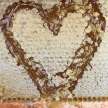
The marriage of utilizing roses to their fullest with the magnificent products that come from bees and their hives is another source of inspiration. Incorporating the scent of roses into the versatile honey comb and wax material is a process that I am just beginning to learn and employ. The possibilities that arise for products from these 2 amazing natural processes is a never-ending source of excitement.
Hopefully, my crafts of nurturing and sustaining the life cycles of roses and honey bees is not just an enjoyable and ultimately money making activity for me but is also making a fraction of a difference to our planet. At least that is what I choose to think as I stare at my garden through my rose colored glasses.
About the Creator
Bee Gold
I have always used writing as a way to clear my head, clarify my vision, and put words to my feelings. In this new chapter of my life, I am focusing on adding “author“ to my resume. I am excited to have a platform to share my perceptions🙏
Heavy Snow Warning: When Winter Turns Dangerous Overnight
A quiet winter evening can quickly turn into something far more serious. The sky grows darker, the wind sharpens, and snow begins falling faster than anyone expected. What starts as a peaceful snowfall can suddenly lead to closed roads, power outages, and difficult travel conditions. This is when a heavy snow warning becomes more than just a weather alert. It becomes a signal that daily life may soon slow down or even stop. For many communities, these warnings bring both beauty and concern. Snow can cover the world in silence, but it can also create dangerous conditions if people are not prepared. Understanding what a heavy snow warning means and how it affects daily life can help individuals and families stay safe when winter becomes unpredictable.
By Muqadas khana day ago in Earth



Comments
There are no comments for this story
Be the first to respond and start the conversation.