
Preserving Our Planet
A Call to Action for Climate and Environment
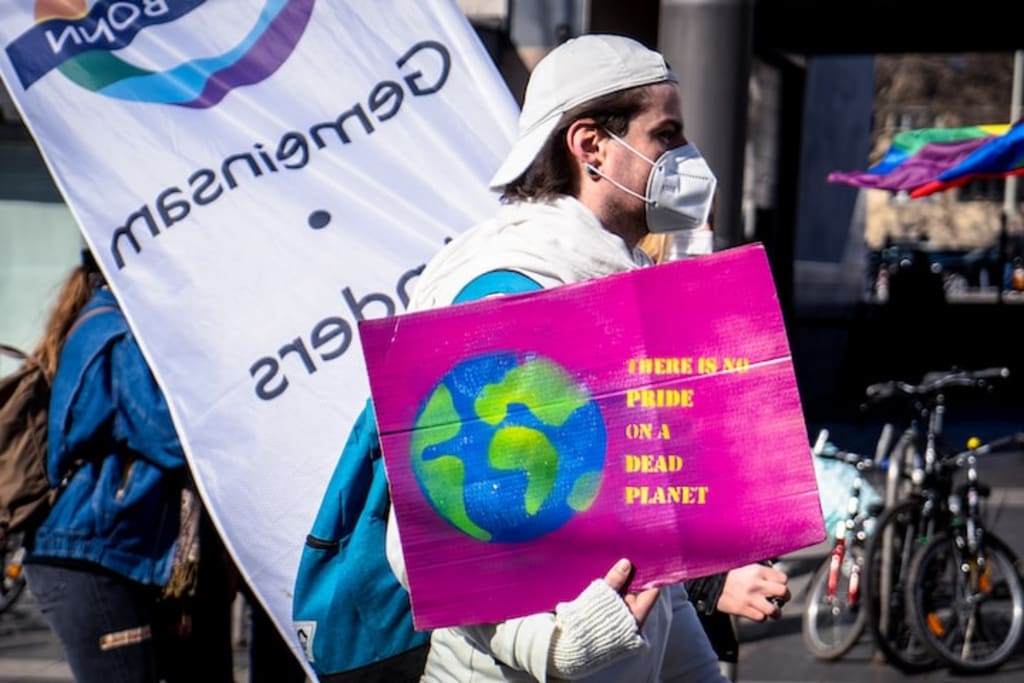
The health of our planet is at a critical juncture, with the impacts of climate change and environmental degradation becoming increasingly evident. As we confront these challenges, it is crucial to understand the urgent need for collective action to preserve and protect our environment for future generations.
The world is experiencing the consequences of climate change on an unprecedented scale. Rising temperatures, extreme weather events, and melting ice caps serve as alarming reminders of the urgency to address this global crisis. However, it is not just the climate that is under threat. Our ecosystems, biodiversity, and natural resources are also being depleted at an alarming rate, further exacerbating the challenges we face.
To comprehend the magnitude of the issue, we must first recognize the interconnectedness of all life on Earth. Our planet's ecosystems are delicately balanced, with each component playing a vital role in sustaining life. When one element is disrupted, the repercussions reverberate throughout the entire system.
One of the primary drivers of environmental degradation is human activity. Deforestation, overconsumption, and the burning of fossil fuels have contributed to the release of greenhouse gases, intensifying the greenhouse effect and causing global warming. The consequences are far-reaching, affecting not only the natural world but also human health, food security, and socio-economic stability.
It is imperative that we transition towards a sustainable future, guided by renewable energy sources, responsible consumption, and conservation efforts. The key lies in adopting environmentally conscious practices in our daily lives and demanding systemic change from governments and industries.
Renewable energy represents a significant opportunity for combating climate change. The development and widespread implementation of solar, wind, and hydroelectric power can significantly reduce our reliance on fossil fuels and lower carbon emissions. Investing in clean technologies not only benefits the environment but also creates job opportunities and promotes economic growth.
Additionally, transitioning to a circular economy is crucial for reducing waste and promoting resource efficiency. By embracing practices such as recycling, reusing, and repurposing materials, we can reduce the strain on natural resources and minimize the environmental impact of our consumption patterns.
Preserving biodiversity is another critical aspect of environmental conservation. Ecosystems teeming with diverse plant and animal species contribute to the stability and resilience of our planet. Protecting and restoring habitats, combating poaching and illegal wildlife trade, and promoting sustainable agriculture practices are essential steps toward safeguarding biodiversity.
Education and awareness play a vital role in inspiring individuals and communities to take action. By fostering environmental literacy and promoting a sense of stewardship, we can empower people to make informed choices and advocate for sustainable practices. This includes teaching future generations about the importance of environmental preservation and nurturing their connection with nature.
Furthermore, collaboration among governments, organizations, and individuals is paramount in addressing climate change and environmental challenges. International agreements, such as the Paris Agreement, provide a framework for global cooperation in reducing greenhouse gas emissions and adapting to the impacts of climate change. Grassroots movements, environmental NGOs, and community-led initiatives also contribute significantly to fostering change at the local level.
It is important to acknowledge that climate change and environmental issues disproportionately impact vulnerable communities and marginalized populations. As we work towards solutions, it is crucial to ensure that environmental justice and equity are at the forefront of our efforts. By actively involving and empowering marginalized communities, we can create a more inclusive and sustainable future for all.
In conclusion, the urgency to address climate change and environmental degradation cannot be overstated. The fate of our planet hangs in the balance, requiring immediate and concerted action. By embracing renewable energy, transitioning to a circular economy, preserving biodiversity, fostering environmental literacy, and promoting collaboration, we can pave the way for a sustainable future. Let us remember that our actions today will determine the legacy we leave for generations
About the Creator
Keep reading
More stories from Victory Wilson and writers in Earth and other communities.
Nurturing Success
Introduction: In today's dynamic and competitive business landscape, cultivating a successful enterprise requires a multifaceted approach that encompasses both online and offline strategies. Whether you're running an e-commerce venture or a brick-and-mortar establishment, the following tips will help you navigate the challenges and maximize growth potential in both realms.
By Victory Wilson3 years ago in Education
Melting Antarctic Ice Did the Opposite of What Scientists Expected
Antarctica’s ice sheets are melting faster than ever. For decades, scientists believed this could actually help slow climate change by feeding the ocean with iron, a nutrient that powers algae growth — and in turn, draws carbon dioxide from the atmosphere.
By Ayesha Lashari5 days ago in Earth
The Devil's Triangle
The sails ruffled in the breeze as we cruised along. The Sea Breeze was a mid-size catamaran that sailed out of Royal Naval Dockyard in Bermuda. We had booked this trip weeks in advance and were now looking at our Captain, Spike and two boat hands. Paddy and Wilson seemed like nice guys, joking around with the passengers and telling us some stories about Bermuda that only locals would know. Their island accents sounded almost British but they were pleasant to listen to.
By Barbara Gode Wiles5 days ago in Fiction




Comments
There are no comments for this story
Be the first to respond and start the conversation.