
Plastic Regrind for Sale: Industries That Benefit from Buying Recycled Plastics
How Businesses Save Money and Go Green by Using Recycled Plastic Regrind
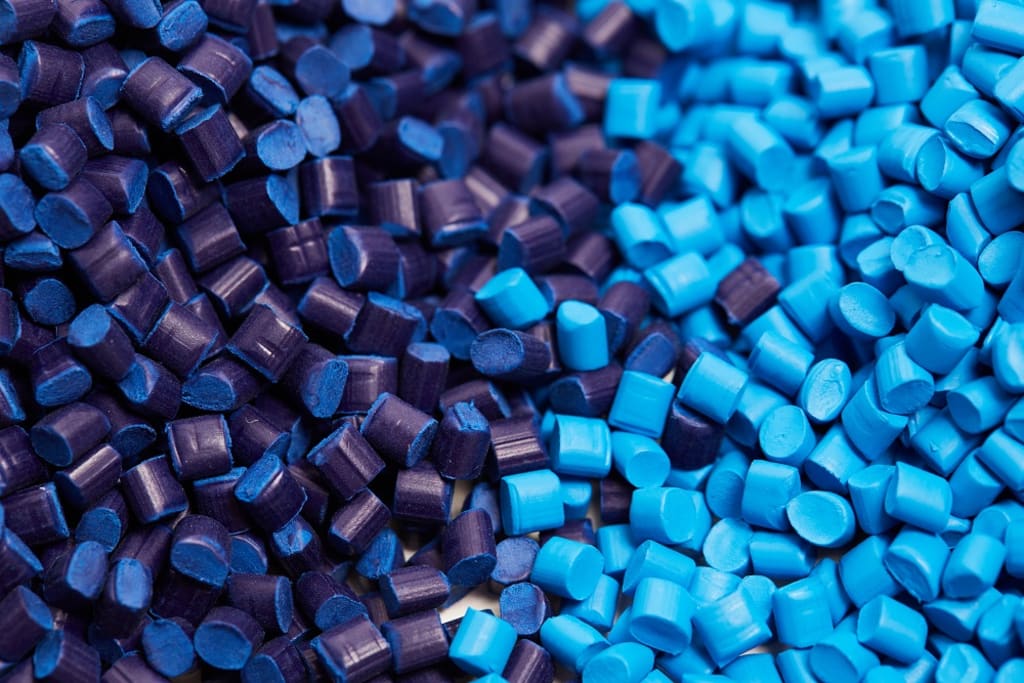
In today’s world, efficiency and sustainability are no longer optional—they’re business essentials. Manufacturers across industries are under pressure to cut costs, reduce waste, and operate more sustainably. One solution that checks all three boxes is plastic regrind—clean, post-industrial scrap plastic that’s ground into uniform flakes or pellets and ready for reuse.
Instead of going to waste, these materials get a second life in production, creating a cycle that saves money and supports environmental responsibility. Companies like Seraphim Plastics
are making it easier than ever by supplying high-quality plastic regrind for sale to industries that rely heavily on plastics.
What Is Plastic Regrind?
Plastic regrind is created by taking post-industrial plastic scrap—things like pallets, totes, buckets, purge, sprues, or dunnage trays—and grinding it into smaller, consistent particles. Unlike curbside plastics, which are often contaminated or mixed, industrial scrap is clean and uniform, making it ideal for direct reuse in manufacturing.
The benefits are twofold:
- Cost savings: Regrind is less expensive than virgin resin.
- Sustainability: Recycling keeps plastic out of landfills and supports green initiatives.
It’s not just good for the planet—it’s good business.
Industries That Benefit from Plastic Regrind
1. Automotive Manufacturing & Suppliers
The automotive sector uses massive amounts of plastics for dashboards, bumpers, tanks, and dunnage. By buying regrind, automakers and their suppliers can:
- Lower raw material costs
- Maintain high performance in parts
- Reduce landfill waste from production scrap
2. Packaging & Container Manufacturing
Producers of bottles, jars, buckets, and industrial containers rely on large volumes of HDPE, PET, and polypropylene. By blending virgin resin with regrind, they:
- Cut production expenses
- Meet consumer demand for recycled-content packaging
- Support brand reputation for sustainability
3. Warehousing & Distribution
Warehouses depend on pallets, totes, and bins to keep supply chains moving. When these wear out, they can be recycled into new ones using regrind. For distributors, this means:
- Lower-cost replacement products
- Reduced disposal costs
- A more sustainable, closed-loop operation
4. Food, Beverage & Industrial Packaging
While food-contact items often require virgin plastics, many secondary packaging products—like trays, crates, or shipping containers—can be made with recycled regrind. This allows companies to:
- Use cost-efficient materials
- Lower environmental impact
- Appeal to eco-conscious retailers and customers
5. Building & Construction
From PVC piping to HDPE siding and roofing, the construction industry depends heavily on plastics. Regrind helps:
- Reduce reliance on virgin resin
- Support green building certifications
- Lower overall project costs
6. Lawn, Garden & Outdoor Products
Planters, edging, compost bins, and outdoor furniture are often made with HDPE or polypropylene. Manufacturers that use regrind:
- Deliver cost-effective products
- Align with consumer demand for sustainable goods
- Reduce waste at scale
7. Transportation & Logistics
Reusable crates, totes, and shipping pallets are central to the logistics industry. Using regrind keeps costs down while ensuring durability and sustainability in large-scale operations.
Why Buy from Seraphim Plastics?
Not all recycled plastics are created equal. Seraphim Plastics stands out because:
- They focus exclusively on clean, post-industrial scrap—avoiding contamination issues common with mixed plastics.
- Their regrind is consistent, uniform, and ready for reuse.
- They provide a seamless loop: businesses sell scrap → Seraphim processes it → industries buy regrind → new products are made.
By working with Seraphim, companies don’t just buy recycled materials—they become part of a sustainable, profitable system.
The Bigger Picture: Why Regrind Matters
Buying regrind isn’t just a cost-saving measure. It’s a step toward a circular plastic economy, where materials flow continuously from product, to scrap, and back into product again. This approach:
- Reduces reliance on virgin plastics
- Minimizes waste in landfills
- Helps industries meet ESG and sustainability goals
- Builds stronger brand reputations with eco-conscious clients and customers
Final Thoughts
From automotive manufacturing and packaging to construction and logistics, industries across the board are reaping the benefits of plastic regrind for sale. It’s affordable, sustainable, and practical—and companies like Seraphim Plastics are leading the way.
By turning scrap into opportunity, Seraphim helps businesses cut costs, reduce waste, and support a healthier planet. For industries looking to stay competitive in a world where efficiency and sustainability matter more than ever, buying plastic regrind isn’t just a smart choice—it’s the future.
Learn more about how Seraphim Plastics supports manufacturers and distributors through their recycling solutions at seraphimplastics.com.
About the Creator
Keep reading
More stories from Jonathan Riedel and writers in Earth and other communities.
Closing the Loop: How Industries Benefit from a Circular Plastic Recycling Economy
We live in a world that runs on plastic. From the cars we drive and the packages we receive to the food containers in our kitchens, plastic is everywhere. But with that convenience comes a challenge: what do we do with all the plastic waste left behind?
By Jonathan Riedel4 months ago in Earth
Without Democracy, Donald Trump’s Venezuelan Oil Quest Will Fail
Donald Trump’s renewed interest in Venezuelan oil may seem, on the surface, like a hard-nosed geopolitical calculation. Venezuela holds the world’s largest proven oil reserves, and amid global energy uncertainty, access to those resources is undeniably tempting. But history, economics, and politics all point to the same conclusion: without democratic reform in Venezuela, any attempt by a Trump-led US administration to secure reliable Venezuelan oil will ultimately fail.
By Aarif Lashari4 days ago in Earth
So You Decided To Become a Nurse Practitioner:
So you decided to become an "Advanced Practice" nurse. Congratulations!... is what I would say if this was a good idea. Grad school? In this economy? What were you thinking? Likely it was something along the lines of either 1) “I've seen these other chucklefucks do it— Why can't I?” or even 2) “I've got a nice career, I should shake it up. I miss feeling like I have no clue what I'm doing.”
By Sandor Szaboa day ago in Fiction



Comments