
An Ancient Source of Renewable Energy with Modern Applications
Hydropower

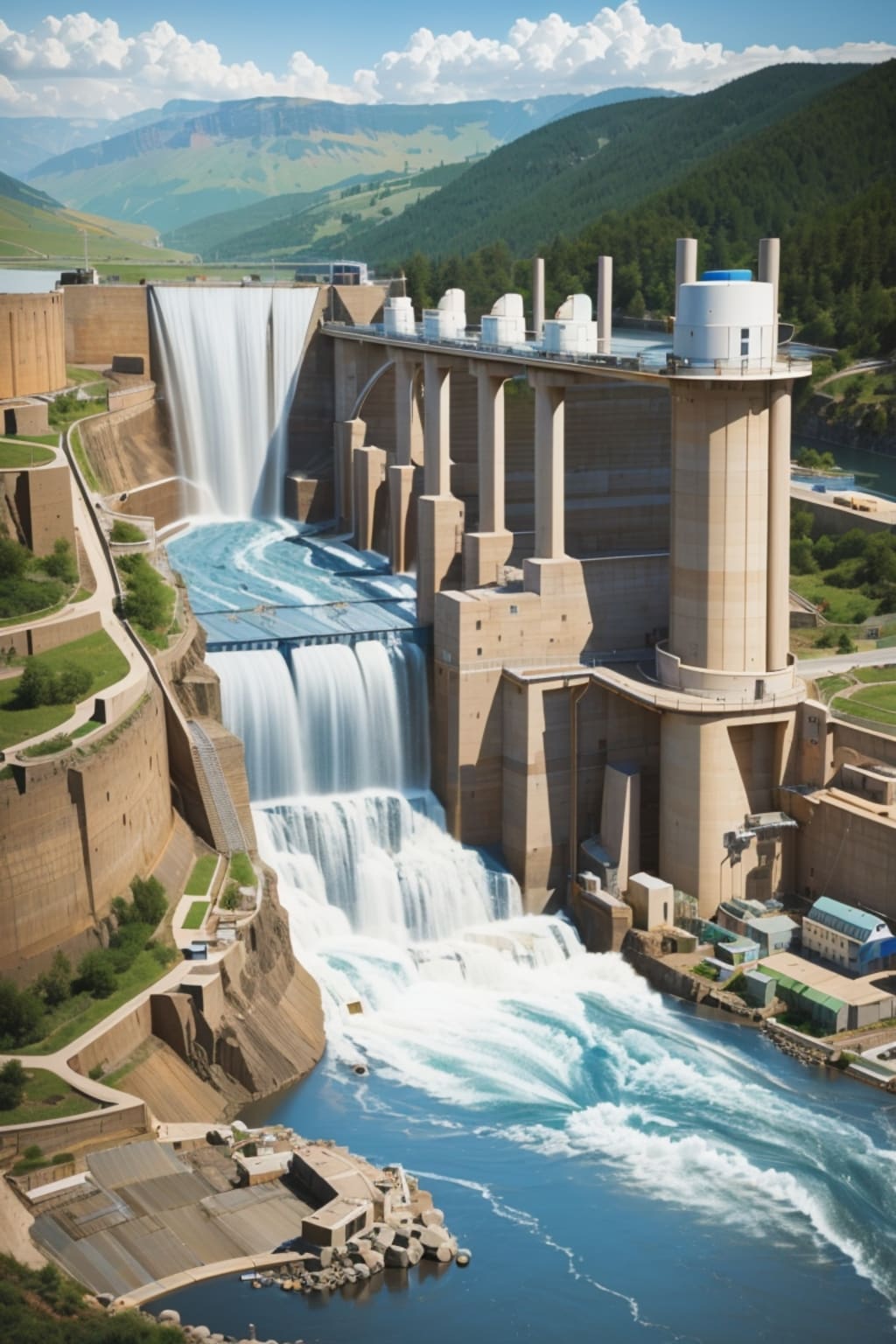
Hydropower, harnessed from the timeless flow of water, stands as a testament to humanity's ingenuity and resourcefulness. From the earliest civilizations to the present day, water has served as a vital source of energy, driving mills, irrigating fields, and now generating clean electricity.
The story of hydropower begins in the annals of history, where ingenious civilizations used water wheels to grind grain and perform various mechanical tasks. Ancient civilizations such as the Greeks, Romans, and Chinese harnessed the power of water to propel their societies forward. The water wheel's early inception marked the dawn of human understanding that water, in its fluidity, could be a boundless source of energy.
As humanity ushered in the Industrial Revolution, hydropower experienced a renaissance. The advent of water-powered mills and factories transformed the manufacturing landscape, paving the way for industrialization. Rivers and streams became the lifeblood of factories, generating the energy needed to drive machinery, and revolutionizing manufacturing and production processes.
As technology advanced, so did hydropower. The construction of large dams became a hallmark of the modern era, enabling the generation of massive amounts of electricity. The Tennessee Valley Authority's construction in the United States and the Aswan High Dam in Egypt are among the towering achievements that exemplify the scale and power of hydropower infrastructure.
Today, hydropower stands as a dominant source of renewable energy, accounting for a significant portion of the world's electricity production. From large-scale hydroelectric dams to small-scale run-of-the-river installations, hydropower has adapted to meet the diverse needs of the modern world.
The integration of hydropower into modern energy systems has been accompanied by advancements in technology. Sophisticated turbines and generators have significantly improved the efficiency of hydropower plants, minimizing environmental impacts and maximizing electricity production. Moreover, the advent of pumped-storage hydropower plants has allowed for the storage of excess electricity during low-demand periods, ensuring a stable and reliable energy supply.
While hydropower offers an array of benefits, it is not without its environmental implications. The construction of large dams can lead to the displacement of communities and alter natural ecosystems. Concerns regarding the impact on fish migration, water quality, and downstream flow have led to a reevaluation of the environmental consequences of large-scale hydroelectric projects.
However, with advancements in engineering and an increasing focus on sustainability, efforts are underway to minimize the ecological footprint of hydropower. Run-of-the-river projects and fish passage solutions are examples of how modern hydropower can coexist harmoniously with the environment.
As the world grapples with the challenges of climate change and the need for clean energy alternatives, hydropower emerges as a vital component of a sustainable energy mix. Its ability to provide baseload electricity and its low greenhouse gas emissions make it an attractive option for reducing dependence on fossil fuels.
Furthermore, hydropower plays a crucial role in integrating other renewable energy sources into the grid. Its flexibility allows it to serve as a backup for intermittent renewables like solar and wind, ensuring a stable and reliable energy supply.
The journey of hydropower, from its humble beginnings as a water wheel to its current role as a leading source of renewable energy, represents a remarkable evolution. Throughout history, humanity's relationship with water has exemplified its ability to harness the forces of nature for progress.
As we navigate the challenges of the twenty-first century, hydropower stands as a beacon of hope—a reminder that our past holds the key to a sustainable future. Embracing modern technology and environmental considerations, hydropower is poised to continue its legacy as an ancient source of renewable energy, powering generations to come in harmony with the planet. By striking a balance between progress and preservation, we can ensure that hydropower remains a driving force in our journey toward a sustainable and resilient future.
About the Creator
Reynol Brennan
A small blogger who shares emotions, life, life insights, and short stories, and provides everyone with happiness, growth, and common sense of life.
Keep reading
More stories from Reynol Brennan and writers in Earth and other communities.
Refractory Garbage and the Long-Term Harm of Environmental Pollution
Plastic pollution has become an increasingly pervasive environmental crisis, inflicting long-term harm on our planet's delicate ecosystems. Plastic, once hailed as a revolutionary material for its versatility and convenience, has now turned into a relentless adversary. Its widespread use and improper disposal have led to an accumulation of refractory garbage, leaving a lasting imprint on land, water, and air. In this article, we will delve into the profound implications of plastic pollution, exploring its refractory nature and the far-reaching consequences of environmental contamination.
By Reynol Brennan3 years ago in Earth
Nuclear Transmutation: The Accidental Dream of Making Gold
Picture a laboratory humming with quiet intensity, banks of instruments blinking in the low light, and somewhere inside a shielded reactor chamber, something almost magical is happening. An element is changing. One thing is becoming another. What was mercury is now, atom by atom, becoming gold.
By CurlsAndCommas3 days ago in Earth



Comments
There are no comments for this story
Be the first to respond and start the conversation.