
Photo Essay: Rocky Mountain Arsenal National Wildlife Refuge
2/1/2025

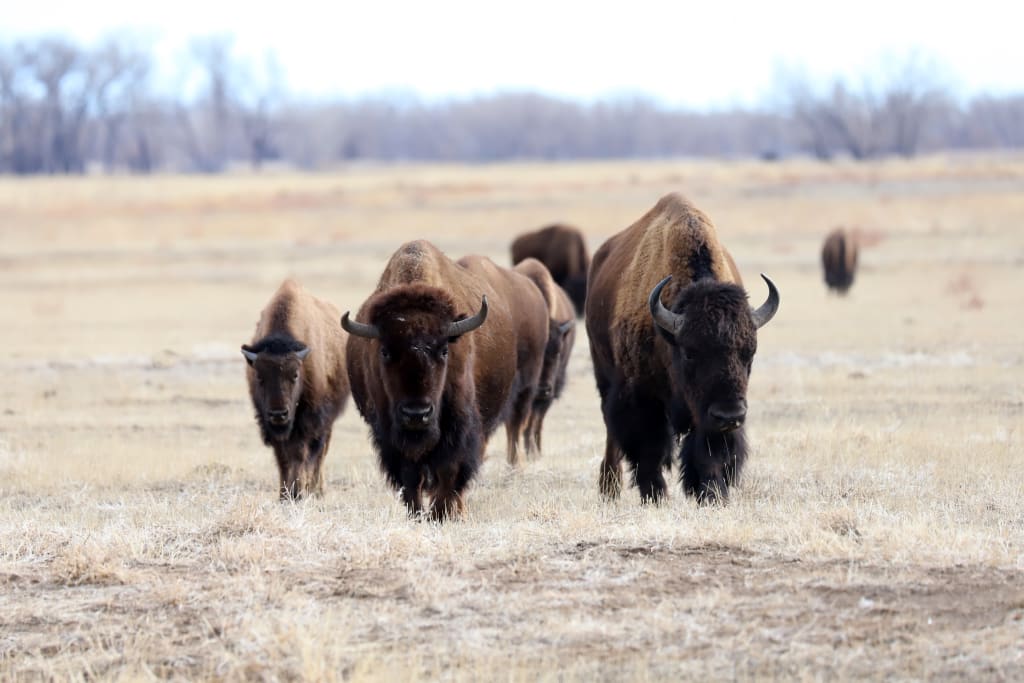
Rocky Mountain Arsenal National Wildlife Refuge is a 15,000-acre wildlife sanctuary located near Denver, Colorado. Once a chemical weapons manufacturing site, it has been transformed into one of the largest urban refuges in the U.S. The refuge is home to over 330 species of wildlife, including bison, bald eagles, deer, and coyotes. Visitors can explore hiking trails, scenic drives, and fishing spots (when in-season) while learning about conservation efforts. The site serves as a model for habitat restoration and environmental recovery, offering a unique blend of history, wildlife, and outdoor recreation.
It is one of my favorite places to walk. It has a large number of trails to follow, and I've seen a large variety of wildlife there, especially birds. While seeing a large number of birds will not be as true during the winter months, especially when the lakes are frozen, it can still be a very nice walk for other wildlife, and the Wildlife Drive often offers glimpses of larger birds of prey such as hawks and bald eagles.
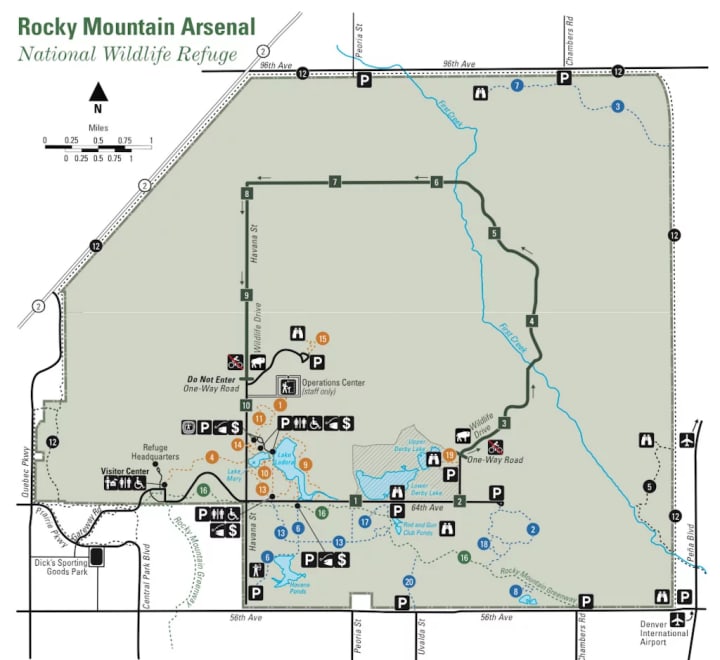
Here is a photo summary of what I saw on Saturday, February 1, 2025.
Mule Deer
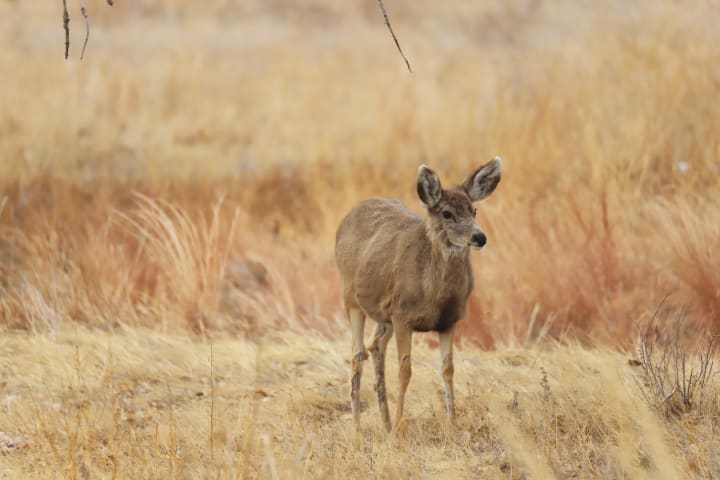
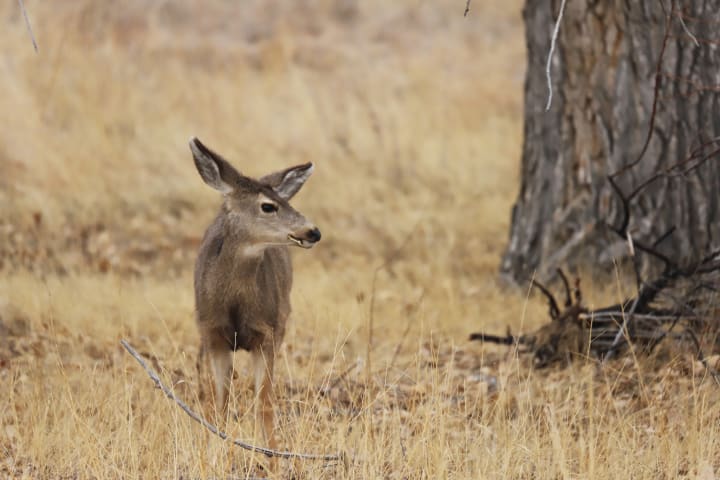
During winter, mule deer develop a thick, grayish-brown coat that provides insulation and camouflage. This seasonal coat consists of hollow guard hairs that trap heat, helping them stay warm in cold temperatures. The grayish color helps them blend into the winter landscape, offering protection from predators. As temperatures warm in spring, they shed this winter coat in favor of a lighter, reddish-brown summer coat better suited for warmer weather.
Northern Harrier
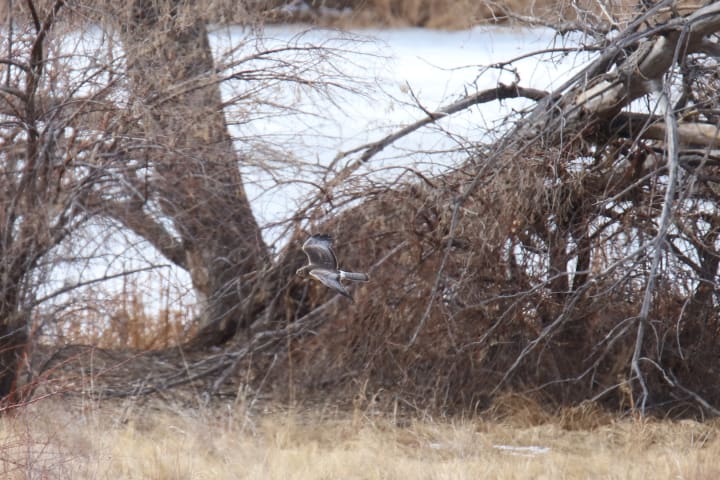
I have always struggled to shoot norther harriers. They are shy in my experience, and I almost always see them flying in the distance. This may be the first male I have captured in photo. They are often referred to as the 'grey ghost' because of their spectral, almost frosty grey coloring.
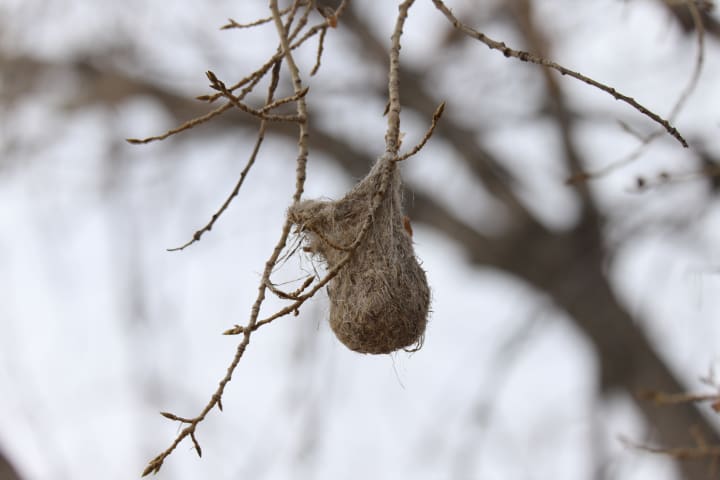
Nest
Bison
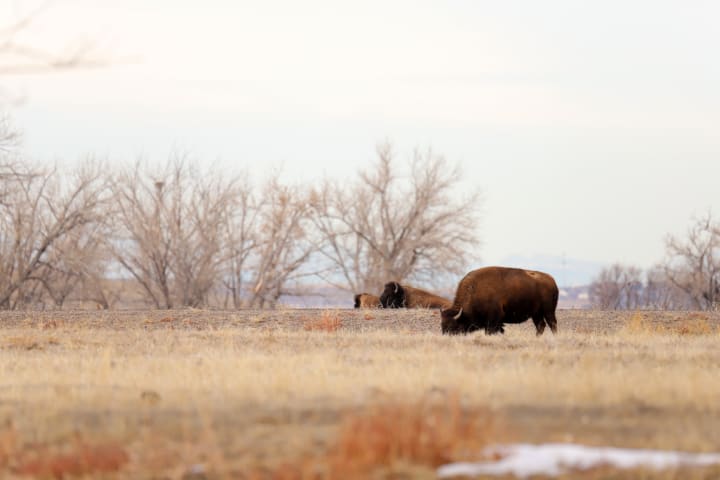
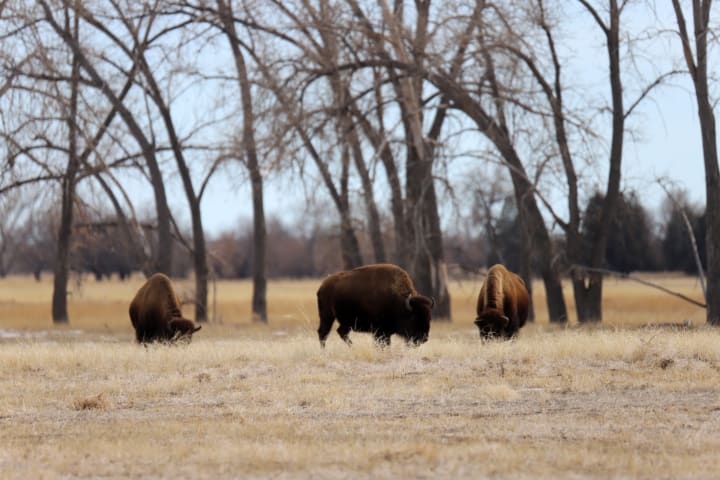
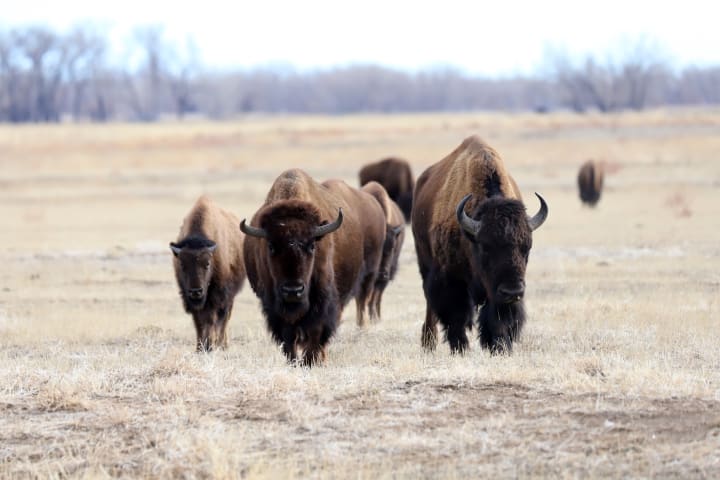
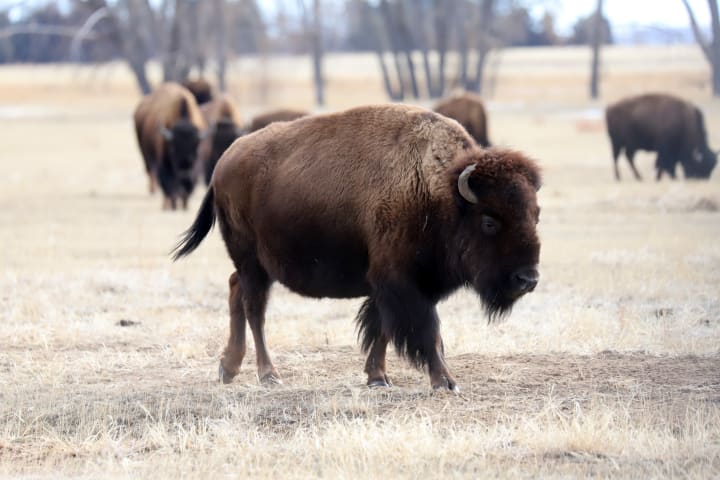
The bison at Rocky Mountain Arsenal National Wildlife Refuge are a key part of the refuge’s conservation efforts. Reintroduced in 2007, the herd helps maintain the prairie ecosystem by naturally managing vegetation. These bison roam across thousands of acres, offering visitors a chance to observe them up close along the refuge’s Wildlife Drive (but please stay in your car!). As a genetically valuable herd, they contribute to national bison conservation programs. Their presence symbolizes the successful transformation of the former industrial site into a thriving habitat for native wildlife.
Coyote
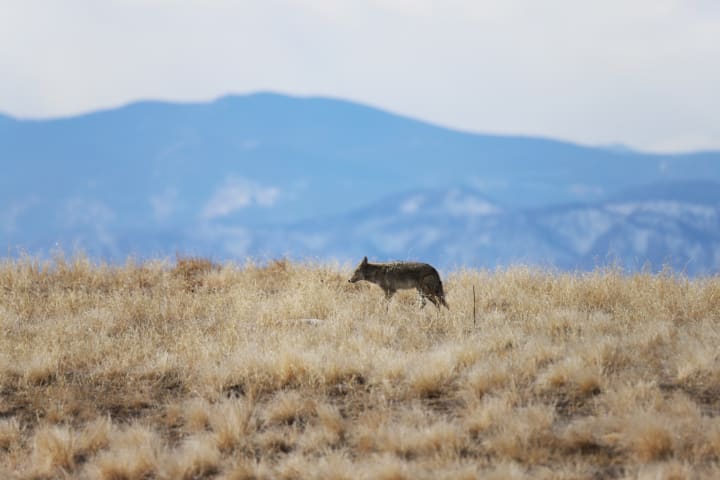
Coyotes are highly adaptable predators found throughout Colorado, from urban areas to remote wilderness. They play a crucial role in the ecosystem by controlling rodent populations and scavenging carrion. Known for their intelligence and resourcefulness, coyotes have thrived despite human development. This can often cause some concern for pets, as coyotes have been known to occasionally go after smaller dogs or cats. Please keep your animals inside if you have heard of a coyote in the area.
____________________________________________________
Wildlife refuges in metro areas provide essential habitats for native species while offering people opportunities to connect with nature. These protected spaces support biodiversity, helping conserve plants and animals in rapidly developing regions. They also serve as natural filters for air and water, improve urban climate resilience, and offer recreational and educational opportunities for city residents. By preserving green spaces in urban environments, wildlife refuges promote ecological health, foster environmental awareness, and enhance the well-being of both people and wildlife.
If you have the opportunity, visit and enjoy these spaces, and if you are able, support their work. You can volunteer, donate money, attend their classes, and above all, respect the nature that they seek to conserve. Contact your local wildlife refuge for additional information.
About the Creator
Erica J.
Chronic-pain sufferer just trying to be healthy and enjoy life while bird lurking and photographing nature. Purchase photo prints and read birding blogs: https://linktr.ee/erica80hd
Reader insights
Outstanding
Excellent work. Looking forward to reading more!
Top insights
Compelling and original writing
Creative use of language & vocab
Easy to read and follow
Well-structured & engaging content
Masterful proofreading
Zero grammar & spelling mistakes
On-point and relevant
Writing reflected the title & theme
The Plant That Thrives Without Water, Loves Heat, and Turns Any Yard Into a Butterfly Haven
As climate change reshapes weather patterns and water scarcity becomes a growing concern, gardeners around the world are rethinking what they plant. The era of thirsty lawns and delicate flowers is slowly giving way to a new generation of resilient, eco-friendly greenery. Among these standout survivors is a remarkable plant that thrives without regular watering, flourishes in intense heat, and transforms ordinary yards into vibrant butterfly sanctuaries. This plant is commonly known as butterfly weed (Asclepias tuberosa), a hardy native species that is redefining sustainable gardening. Built for Heat and Drought Butterfly weed is naturally adapted to harsh conditions. Native to dry prairies and open grasslands, it has evolved deep roots that allow it to access moisture far below the surface. Once established, it requires little to no supplemental watering, even during prolonged heatwaves. Unlike traditional garden plants that wilt under the sun, butterfly weed actually thrives in full sunlight. Temperatures that scorch lawns and stress ornamentals are exactly what this plant prefers. Its thick, narrow leaves minimize water loss, while its sturdy stems resist wind and heat damage. For homeowners living in drought-prone or arid regions, this makes butterfly weed an ideal solution—beautiful without being demanding. A Magnet for Butterflies and Pollinators What truly sets butterfly weed apart is its powerful role in supporting pollinators. Its bright orange, yellow, or red flower clusters are rich in nectar, attracting a wide range of butterflies, bees, and other beneficial insects. Most notably, butterfly weed is a critical host plant for monarch butterflies. Monarchs lay their eggs exclusively on milkweed species, and butterfly weed provides both food and shelter for their caterpillars. With monarch populations declining due to habitat loss and pesticide use, planting butterfly weed can make a real difference. Beyond monarchs, the plant also draws swallowtails, painted ladies, and native bees, turning even a small yard into a buzzing ecosystem. Low Maintenance, High Impact One of the biggest appeals of butterfly weed is how little effort it requires. After the first growing season, maintenance is minimal. It doesn’t need frequent pruning, fertilizing, or pest control. In fact, overwatering or rich soil can actually harm it. It grows well in poor, sandy, or rocky soil—conditions that many gardeners struggle with. Once planted, it establishes itself slowly but steadily, returning year after year as a reliable perennial. This makes it perfect for busy homeowners, beginners, or anyone looking to reduce water bills and gardening workload without sacrificing visual appeal. Beauty With a Purpose Butterfly weed proves that sustainable gardening doesn’t mean compromising on aesthetics. Its vivid flowers bloom for weeks during summer, creating bold color contrasts in landscapes that might otherwise look dry or dull. It pairs well with ornamental grasses, lavender, and other drought-tolerant plants, making it a favorite in modern xeriscaping designs. Whether planted in borders, wildflower gardens, or urban yards, it brings both structure and color. Unlike invasive ornamentals, butterfly weed coexists peacefully with native plants, strengthening local ecosystems rather than disrupting them. A Climate-Smart Choice As heatwaves become more frequent and water restrictions more common, plants like butterfly weed represent the future of gardening. They reduce dependence on irrigation, support wildlife, and help landscapes remain resilient under changing conditions. By choosing drought-tolerant, native species, gardeners can actively participate in climate adaptation—one plant at a time. Butterfly weed, in particular, shows how small choices can have wide-reaching environmental benefits. How to Grow It Successfully Growing butterfly weed is straightforward. It prefers full sun and well-drained soil. Seeds can be sown directly in the ground, though patience is key—the plant focuses on root development in its first year before producing abundant blooms. Once established, it requires little care. Avoid fertilizers and heavy mulching, and let nature do the rest. In return, the plant will reward you with years of color and life. Final Thoughts The plant that thrives without water, loves heat, and turns any yard into a butterfly haven is more than just a gardening trend—it’s a symbol of a smarter, more sustainable relationship with nature. Butterfly weed proves that beauty and resilience can go hand in hand. In a world facing rising temperatures and shrinking resources, it offers a hopeful reminder: sometimes, the toughest plants create the most vibrant life.
By Fiaz Ahmed Brohiabout 19 hours ago in Earth
TODAY’S WEATHER NEWS ACROSS THE UNITED STATES WHAT AMERICANS SHOULD EXPECT RIGHT NOW
TODAY’S WEATHER NEWS ACROSS THE UNITED STATES WHAT AMERICANS SHOULD EXPECT RIGHT NOW Weather conditions continue to be one of the most discussed daily topics across the United States, especially as seasonal transitions bring noticeable changes in temperature, storms, and regional weather patterns. Today’s weather reflects a mix of warming trends, lingering cold pockets, and active systems affecting different parts of the country. From the West Coast to the East Coast, Americans are paying close attention to how temperatures will feel, whether rain or snow is expected, and how conditions may impact daily routines.
By America today a day ago in Earth


Comments
There are no comments for this story
Be the first to respond and start the conversation.