
Pakistan Floods: Millions Uprooted as Nature’s Fury Reshapes Lives
“A climate catastrophe displacing millions in Pakistan signals urgent global responsibility.”

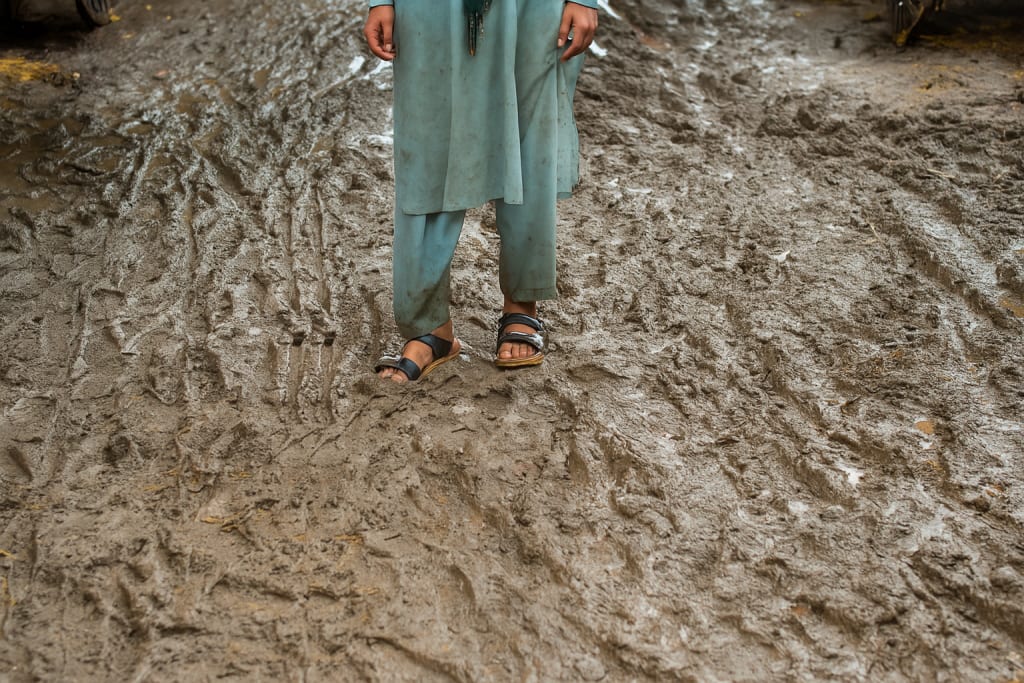
In the summer of 2022 and again in the monsoon seasons that followed, Pakistan experienced one of the most devastating natural disasters in its history. Torrential rains unleashed unprecedented floods that submerged vast swathes of the country. Entire villages disappeared under water, crops were washed away, and lives were upended in ways that many in the West can scarcely imagine. The sheer scale of destruction not only displaced millions but also exposed urgent questions about climate justice, resilience, and the shared responsibility of the global community.
A Nation Underwater
At the height of the floods, more than a third of Pakistan lay submerged. Satellite images showed a country transformed into a vast inland sea. Over 33 million people — more than the population of Canada — were directly affected. Of these, millions were forced to flee their homes with little more than the clothes on their backs. Families crowded into makeshift shelters, clinging to hope amid uncertainty.
The devastation was not confined to infrastructure alone. Pakistan’s agricultural heartland, which provides food and livelihoods for a significant portion of its population, suffered irreparable losses. Fields of wheat, rice, and cotton were destroyed, compounding an already fragile food security situation. For farmers who depend on seasonal harvests, the floods meant not only immediate ruin but years of economic hardship ahead.
Human Faces of Displacement
Behind the numbers are human stories — children wading through waist-deep water to salvage schoolbooks, mothers carrying infants as they search for dry ground, and elderly villagers watching their lifelong homes crumble. Camps erected for the displaced often lack adequate sanitation, clean drinking water, or healthcare facilities.
Western readers, accustomed to swift disaster relief operations, may struggle to grasp the logistical and humanitarian challenges that Pakistan faces. The country’s limited resources, fragile economy, and already stretched healthcare system mean that even months after the waters recede, recovery remains painfully slow.
Climate Injustice at the Core
Perhaps the most sobering reality is this: Pakistan contributes less than 1% of global greenhouse gas emissions, yet it ranks among the countries most vulnerable to climate change. The floods are a stark reminder that climate disasters do not respect borders, and those who bear the least responsibility for carbon emissions often face the harshest consequences.
For Western nations, this should serve as more than a cautionary tale — it is a call to action. Climate change is not a distant future problem but a present crisis reshaping entire regions of the globe. If a single monsoon can displace millions in Pakistan, what does that signal for other vulnerable parts of the world?
The Global Ripple Effect
The floods in Pakistan are not just a local tragedy; they are part of a larger global story. Displacement on such a massive scale contributes to migration pressures, regional instability, and economic losses that reverberate beyond South Asia. The destruction of crops and livestock also has ripple effects on global food markets, already strained by conflicts and supply chain disruptions.
For Western policymakers and citizens alike, understanding these connections is vital. The humanitarian crisis in Pakistan underscores the interconnectedness of our world: what happens in one vulnerable region inevitably influences lives far beyond its borders.
Beyond Aid: A Need for Partnership
In the immediate aftermath of the floods, international aid poured into Pakistan. While this generosity is commendable, short-term relief is not enough. What Pakistan needs — and what the global climate challenge demands — is long-term partnership. Investment in climate-resilient infrastructure, support for sustainable agriculture, and financing for green technologies can help nations like Pakistan adapt to a warming world.
Western countries, with their wealth and technological capacity, are uniquely positioned to provide this support. Moreover, they carry a moral responsibility, given their historical share in global emissions. Climate finance commitments must be more than pledges; they must translate into tangible action.
A Shared Future
The story of Pakistan’s floods is not just about one nation’s suffering. It is about the collective human condition in the era of climate change. The rising waters in Sindh or Balochistan are not isolated events; they are warnings of what unchecked global warming could unleash elsewhere.
For readers in the West, the takeaway is clear: climate change is the defining issue of our time. Addressing it requires more than empathy; it requires solidarity, accountability, and urgent action.
Remember
“Millions Uprooted as Nature’s Fury Reshapes Lives” is not just a headline — it is the lived reality of millions of Pakistanis whose homes, futures, and dignity were swept away by floodwaters. Their story should resonate far beyond South Asia. For in a world as interconnected as ours, Pakistan’s struggle is also humanity’s struggle.
The floods have revealed both the fragility of human societies and the resilience of the human spirit. But resilience alone is not enough. To prevent future catastrophes, the global community must move beyond temporary relief efforts and embrace meaningful, long-term strategies to combat climate change. Only then can the world ensure that tragedies like Pakistan’s floods do not become a recurring chapter in the human story.
About the Creator
USAMA KHAN
Usama Khan, a passionate storyteller exploring self-growth, technology, and the changing world around us. I writes to inspire, question, and connect — one article at a time.
Keep reading
More stories from USAMA KHAN and writers in Earth and other communities.
Elephants Never Forget
Elephants Never Forget: The Science Behind the Proverb The saying “elephants never forget” has long fascinated both scientists and storytellers. Rooted in folklore, this phrase implies that elephants possess exceptional memory, and as modern science reveals, there’s significant truth behind it. But what makes an elephant’s memory so special? Is it just a charming myth, or does it have deep neurological, evolutionary, and ecological backing?
By USAMA KHAN6 months ago in Earth
Inflation Remained at 2.7% in December: High Prices Continue to Weigh on Many Americans
As Americans rang in the new year, many were relieved to see that inflation in December held steady at 2.7%, according to the latest reports. On the surface, this might seem like good news — a signal that runaway price growth is slowing. But for countless households across the country, the reality is more complicated: high prices continue to strain budgets, affecting everything from groceries to gas, rent, and beyond. The Numbers Behind the Headlines December’s 2.7% inflation rate, measured year-over-year, shows no significant change from November. This is a continuation of the trend economists have watched closely throughout 2025: after a period of intense price spikes, inflation appears to be moderating but remaining stubbornly above pre-pandemic norms. Key areas contributing to this steady inflation include: Food prices, particularly meat, dairy, and fresh produce, which have remained elevated due to supply chain challenges and global agricultural pressures. Housing costs, including rents and home prices, which continue to rise in many urban and suburban markets. Energy prices, especially gasoline and home heating, which fluctuate seasonally but have not dropped enough to ease household pressure. While 2.7% may seem manageable compared to the double-digit spikes of 2021–2022, it still outpaces wage growth for millions of Americans, meaning that in real terms, many are experiencing reduced purchasing power. How Inflation Affects Everyday Americans For many families, the impact of steady inflation is tangible. Consider this: a household spending $500 a month on groceries in 2025 might now be paying over $535 for the same items. Gasoline, which has seen seasonal swings, can quickly add dozens of dollars to monthly commuting costs. Rent, historically the largest expense for most households, has grown faster than wages in many cities. A steady 2.7% inflation rate means renters face incremental increases in living costs every month, often outpacing salary adjustments. Even seemingly small price increases ripple across budgets. Families may delay purchases, cut discretionary spending, or tap savings, which in turn affects broader consumer demand — a key driver of economic growth. The Role of the Federal Reserve and Economic Policy Inflation is not just about prices at the grocery store — it’s also shaped by monetary policy, interest rates, and government action. Throughout 2025, the Federal Reserve maintained a cautious approach, keeping interest rates relatively high to control inflation without triggering a recession. The Fed’s actions aim to balance: Slowing price growth to protect consumers’ purchasing power Avoiding a sharp economic downturn that could result from overly aggressive rate hikes Despite these efforts, economists warn that inflation’s persistence at 2.7% suggests structural pressures in the economy. Global supply chain disruptions, rising energy costs, and ongoing demand for goods and services continue to exert upward pressure on prices, making it harder for policy alone to bring relief. Inflation and Wage Growth: A Delicate Balance One of the most concerning aspects of steady inflation is its relationship with wages. For workers whose salaries haven’t kept pace with rising costs, inflation effectively reduces real income. Some sectors, like technology and healthcare, have seen modest wage gains, but many service industries — retail, hospitality, and small businesses — continue to struggle. Employees in these fields often find that even small price increases can significantly affect their quality of life, from grocery shopping to transportation and childcare expenses. What This Means for the Economy Steady inflation at 2.7% has several implications for the broader economy: Consumer Spending: When households feel the pinch, discretionary spending declines, which can slow economic growth. Investment Decisions: Businesses facing higher input costs may delay expansion or hiring, affecting job markets. Housing Market Dynamics: Rising rent and home prices continue to challenge affordability, influencing both buyers and renters. Financial Planning: Americans are increasingly turning to budgeting strategies, high-yield savings, or side income to offset higher costs. Economists stress that while inflation at this level is not catastrophic, it remains a long-term concern, especially if wages fail to keep up with price growth. Strategies for Coping with Persistent Inflation For households navigating these pressures, there are several approaches: Budget adjustments: Tracking expenses and prioritizing essential costs can help manage monthly finances. Smart shopping: Using discounts, bulk purchasing, and price comparison can reduce grocery and household costs. Energy efficiency: Lowering utility bills through energy-saving practices mitigates rising energy prices. Financial literacy: Investments, savings, and debt management become even more crucial in times of persistent inflation. While these steps cannot eliminate inflation’s impact, they provide tangible ways for Americans to protect their finances. Looking Ahead Economists predict that inflation in 2026 may continue to hover around 2–3%, barring unexpected shocks such as global conflicts, energy crises, or supply chain disruptions. While not extreme, this range continues to influence household budgets, corporate planning, and government policy decisions. For many Americans, the lesson is clear: even modest inflation can weigh heavily on day-to-day life. Staying informed, adjusting financial habits, and understanding the economic landscape remain essential for navigating a world where prices are higher than before. Steady inflation at 2.7% is a reminder that economic stability is fragile. While the numbers suggest moderation, the lived experience of millions of Americans shows that high prices are far from over, influencing decisions from grocery shopping to career planning. As the new year unfolds, households, businesses, and policymakers alike must grapple with the realities of an economy where every percentage point matters.
By Muhammad Hassan6 days ago in Earth
UAE Enters Al Shabt: Brace for Winter’s Coldest Days
The United Arab Emirates is set to experience one of the harshest winter spells in recent memory as the country enters Al Shabt, a period traditionally associated with extreme cold. Residents across the emirates are being urged to prepare for temperatures that are expected to drop well below seasonal averages, with potential disruptions to daily life, travel, and energy consumption. Meteorologists have warned that Al Shabt, historically marked by icy winds and sudden temperature dips, will this year be particularly severe due to a combination of regional weather patterns and shifting global climatic trends. Forecasters predict nighttime temperatures in some areas could drop to as low as 8–10°C, a significant decline for a country more accustomed to mild winters. Coastal regions may experience slightly warmer conditions, but the cold will be intensified by strong northern winds sweeping across the Arabian Peninsula. Understanding Al Shabt Al Shabt, which translates to “the coldest part of winter,” is a term deeply embedded in Gulf traditions. Historically, Bedouins and farmers used the period to plan agricultural activities, livestock care, and resource management. Today, while modern infrastructure and urban planning mitigate some effects of the cold, the cultural significance remains, and residents are reminded of its intensity through historical observations and local weather lore. “Al Shabt is more than a cultural marker—it’s a meteorological reality,” said Dr. Aisha Al Mansoori, a senior climatologist at the UAE National Center for Meteorology. “We are observing patterns that suggest this Al Shabt could be colder than usual. Residents should take precautions, especially in northern and inland regions where the temperature drop will be most pronounced.” Preparing for the Cold Authorities across the UAE are taking proactive measures to help residents and businesses prepare for the upcoming cold spell. The Ministry of Interior has issued advisories for motorists to check vehicle heating systems and tire conditions, while electricity and water authorities are ensuring that energy grids are ready for increased demand. Hospitals and emergency services have also been put on alert to handle potential cold-related health incidents. Schools and universities are expected to remain open, but parents are being advised to dress children in warm layers and limit outdoor exposure, especially during early morning and late evening hours. Workplaces are encouraged to implement flexible schedules to reduce the risks associated with commuting during frigid mornings. Travel and Transportation Challenges The UAE’s extensive road network and urban infrastructure may face some challenges during Al Shabt. While snow is highly unlikely, fog formation during the early morning hours could reduce visibility, leading to potential travel disruptions. Aviation authorities are coordinating with meteorologists to monitor conditions at major airports, ensuring that flights remain on schedule while prioritizing passenger safety. “Drivers should exercise caution and plan extra time for their journeys,” said Hamad Al Suwaidi, a senior official at the Roads and Transport Authority. “Even a minor dip in temperature can create slick roads in certain areas, and we advise everyone to remain vigilant and adhere to safety guidelines.” Impact on Daily Life Beyond transportation, the cold weather is expected to affect outdoor events, construction projects, and energy consumption. Many outdoor workers may need additional protective clothing, while households will see a surge in electricity usage for heating. Retailers and service providers are preparing for increased demand for warm clothing, heaters, and other winter essentials. Health experts emphasize the need for precautions, particularly among vulnerable populations such as the elderly, children, and individuals with preexisting conditions. “Cold weather can exacerbate respiratory illnesses and cardiovascular problems,” said Dr. Mohammed Al Hammadi, a public health specialist. “Hydration, proper clothing, and staying indoors during the coldest hours are key measures to minimize health risks.” Looking Ahead While Al Shabt is expected to last for several days, meteorologists suggest that the period of extreme cold will gradually ease as the region transitions toward milder winter conditions. Nevertheless, residents are advised to remain prepared and informed, as sudden weather shifts are common in the Gulf. “The key to navigating Al Shabt is awareness and readiness,” Dr. Al Mansoori concluded. “The cold may be intense, but with proper precautions and respect for the weather, residents can stay safe and even enjoy the unique aspects of this traditional winter period.” In the coming days, the UAE will experience an unusual contrast—desert landscapes typically associated with warmth will be gripped by biting cold, reminding residents of the country’s diverse climatic character. As the nation braces for Al Shabt, the emphasis is on preparation, safety, and resilience, ensuring that the coldest days of winter are met with caution rather than surprise.
By Fiaz Ahmed Brohi3 days ago in Earth


Comments
There are no comments for this story
Be the first to respond and start the conversation.