
Over 25 Million Under Alert for Severe Weather and Flash Flooding Across the Northeast
Damaging winds, large hail, and lightning are possible early Saturday evening
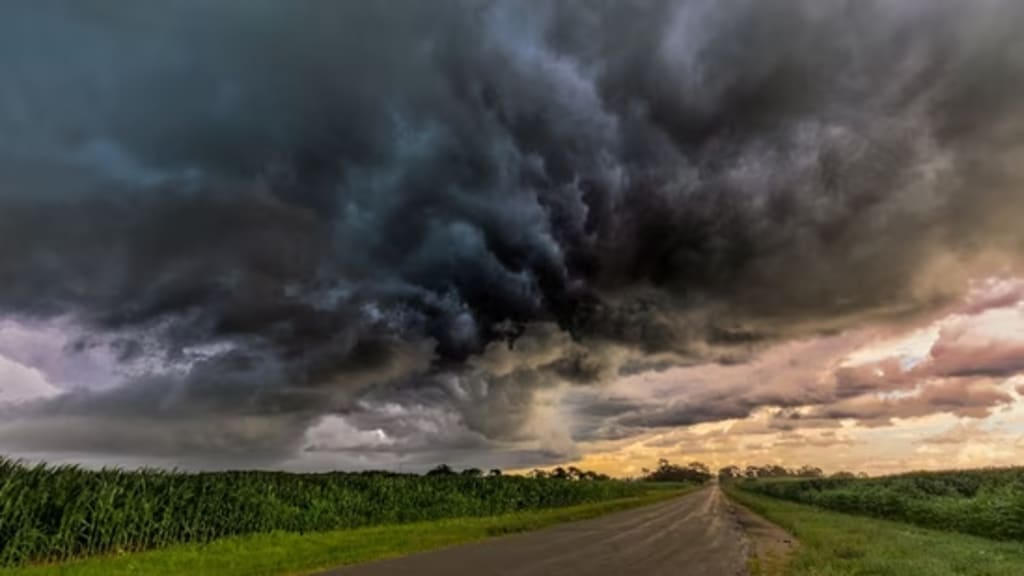
More than 25 million people living along the Northeast are on high alert for severe weather conditions this weekend as a powerful cold front sweeps through the region. Authorities and meteorologists have issued warnings for damaging winds, large hail, lightning, flash flooding, and even isolated tornadoes. From Philadelphia to New York City and stretching all the way into southern Maine, residents are urged to prepare for potentially dangerous storms that will unfold through Saturday afternoon and evening before tapering off late into the overnight hours. The intense weather system is also expected to cause significant disruptions in travel, raise safety concerns on highways and in cities, and bring about localized flooding that may linger well into Sunday morning.
The threat of these storms is expanding eastward, bringing the brunt of severe conditions to highly populated metropolitan areas. This includes cities such as Philadelphia, New York City, Allentown in Pennsylvania, Poughkeepsie in New York, Hartford in Connecticut, Manchester in New Hampshire, and Portland in Maine. Millions who reside in or commute through these areas are in the path of volatile, fast-developing weather. That means large swaths of the I-95 corridor, one of the busiest stretches of interstate in the country, will be directly impacted by the storm system. In fact, a Severe Thunderstorm Watch has been issued from Maryland up to Maine, remaining in effect until 8 p.m. Saturday. This widespread alert encompasses bustling hubs such as Baltimore, Philadelphia, New York City, and Boston, bringing severe weather concerns to one of the most densely populated regions of the nation.
At the center of the threat is a strong cold front pushing across the Northeast during the afternoon and evening hours. As the energy of this system interacts with warm, humid air already in place, it is creating a volatile setup for thunderstorms that will continue to develop and strengthen throughout the day. Weather experts caution that these storms will not only sweep across the region quickly but will also have the ability to intensify to severe levels in a short span of time. The primary hazard being monitored is strong, damaging wind gusts capable of knocking down trees, power lines, and outdoor structures. This brings the potential for scattered power outages and hazardous travel conditions, especially in urban locations where falling debris could pose added risks.
In addition to damaging winds, the storm threat will also bring large hail in some counties, with the potential to cause property damage to vehicles and homes, along with scattered instances of crop damage in rural areas. Frequent lightning strikes will accompany these storms, a danger that is often underestimated yet poses serious risks, particularly for those caught outside at sporting events, in parks, or near open spaces as storms move overhead. Perhaps most concerning is that meteorologists are not ruling out the risk of one or two brief tornadoes, especially across portions of northern New England. While the tornado risk remains low and isolated, it is enough to add another layer of urgency for residents and emergency officials across the region.
Alongside the severe thunderstorm potential, flash flooding is emerging as an equally significant concern. The combination of slow-moving storms and repeated rounds of heavy downpours will create conditions ripe for flash flooding in both urban and rural areas. Experts warn that any storm that stalls or trains over the same locale can drop enough rain in just a few hours to overwhelm drainage systems and creeks. The risk for flash flooding is classified as Level 2 out of 4 from Philadelphia northward toward Bridgeport, Connecticut. This means there is a heightened threat of flooding across portions of the New Jersey suburbs, New York City metro area, and southwestern Connecticut, where paved surfaces and dense housing make water runoff particularly dangerous. Poor-drainage zones, subway entry points, and already saturated soil combine to create the perfect backdrop for rapid water rise during intense rainfall.
The storm timeline is expected to vary across the broad region impacted. In Philadelphia and New York City, storms will begin to fire between 2 and 8 p.m. and will stretch into the overnight hours with lingering rainfall. In areas such as Poughkeepsie, Hartford, and into Springfield, Massachusetts, weather conditions are expected to deteriorate as early as 2 p.m. and carry into the evening, wrapping up closer to 6 or 8 p.m. Further north, in Portland and Boston, the system is likely to arrive later in the day, beginning after 4 p.m. and extending into the late-night hours, around 10 p.m., accompanied by overnight heavy rainfall. While Boston may not face the highest risk for flash flooding compared to Philadelphia and New York, it will still sustain strong storms capable of disrupting travel plans and outdoor events.
Behind these storms lies a dramatic shift in weather patterns. As the cold front passes through the region, the oppressive humidity and heat experienced over the last several days will be replaced by noticeably cooler, crisper air. Many residents will find Sunday to be a refreshing rebound, with sunshine returning by afternoon and evening after lingering showers exit during the morning hours. However, the damage left behind by Saturday’s storms, whether through flooding, power outages, or fallen trees, may pose lingering challenges for affected communities and local crews trying to restore normalcy.
For those living in the storm’s path, safety should remain the top priority. Meteorologists emphasize the dangers not only of severe weather elements such as wind and hail but also of flooding, which often causes more fatalities during severe weather events than tornadoes and lightning combined. Drivers should avoid flooded roadways at all costs, as even shallow water can sweep away vehicles and cause life-threatening situations. Authorities often stress the warning, “Turn Around, Don’t Drown,” during situations like these to remind residents not to underestimate water on the road. Families are also advised to remain indoors during severe thunderstorms, avoiding windows and securing loose outdoor objects that can become projectiles in strong gusts. Emergency managers suggest charging phones and electronic devices ahead of time in case of power disruptions, ensuring weather alerts can still be received throughout the evening hours.
As with any severe weather outbreak in the Northeast, the concentration of large cities within the storm’s path magnifies its potential impacts. Transportation delays are likely to ripple across the region because heavy rain and lightning can cause airport slowdowns, particularly through hubs like Philadelphia International, LaGuardia, and Boston Logan. Commuters on railways such as Amtrak and state transit systems could also experience service delays, while road congestion may worsen as drivers attempt to navigate around flooded or blocked routes. Beyond transportation, community events, concerts, and outdoor gatherings scheduled across metropolitan areas are at risk of cancellations.
Overall, Saturday’s severe weather threat across the Northeast paints a picture of widespread storms carrying multiple hazards. With over 25 million residents included in watches and warnings, the event stands as one of the most extensive severe weather outlooks of late summer in the region. Though the timing and severity may vary from city to city, the message remains clear: residents should prepare for an active evening and remain vigilant for rapidly changing conditions. By Saturday night into Sunday morning, the focus will shift toward recovery, with much calmer, cooler air offering relief in the aftermath. Still, the impact of the storms from Baltimore to Boston will be felt long after the skies clear, serving as another reminder of how quickly summer weather in the Northeast can turn severe.
About the Creator
Severe Geomagnetic Storm Could Bring Northern Lights Across Much of the U.S.
On Monday evening, skywatchers from the Pacific Northwest to the Midwest got ready for something out of the ordinary: a celestial display that typically occurs at high northern latitudes. Americans who provide forecasts as a powerful cloud of charged particles from the sun accelerates toward the Earth's magnetic field, the National Oceanic and Atmospheric Administration (NOAA) has issued a "G4 (Severe) geomagnetic storm watch."
By Raviha Imranabout 5 hours ago in Earth
Greenland News
Greenland News Greenland has increasingly drawn global attention in recent years due to its political developments, environmental changes, and growing strategic importance. As the world looks more closely at the Arctic region, news from Greenland reflects a unique mix of local priorities and international interest. From climate-related challenges to economic opportunities and governance issues, Greenland continues to shape its own path while remaining closely connected to global affairs.
By America today 2 days ago in Earth



Comments
There are no comments for this story
Be the first to respond and start the conversation.