
One Side of the Moon is Much Hotter Than the Other
Scientists have found that the moon’s interior isn’t what we thought — one half is significantly warmer.

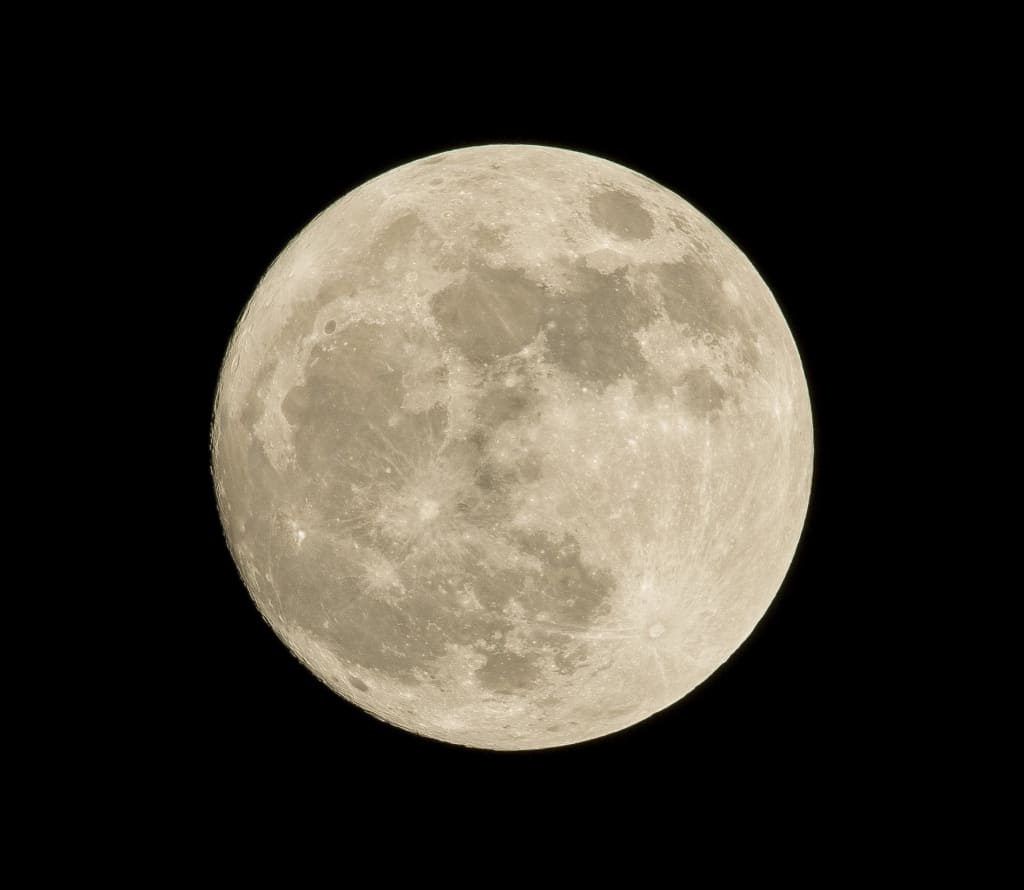
One Side of the Moon is Much Hotter Than the Other
The Science Behind the Moon’s Extreme Temperatures
When you look up at the Moon, it seems like a calm, cold, and constant companion in the sky. But beyond its peaceful glow lies a startling truth: temperatures on the Moon vary wildly, and one side can be significantly hotter than the other. In fact, the surface of the Moon can go from boiling hot to freezing cold, depending on which side faces the Sun.
This dramatic difference in temperature isn’t just interesting trivia—it’s a real challenge for scientists, space agencies, and future lunar explorers. So, why is one side of the Moon much hotter than the other? The answer lies in the Moon’s rotation, sunlight exposure, and lack of atmosphere.
The Moon's Strange Day-Night Cycle
To understand the Moon’s temperature differences, we first need to understand its rotation.
Unlike Earth, which completes a full day every 24 hours, the Moon takes about 27.3 Earth days to rotate once on its axis. But because of its orbit around Earth, a full lunar "day"—from sunrise to sunrise—actually lasts about 29.5 Earth days.
This means any given spot on the Moon experiences two weeks of continuous sunlight, followed by two weeks of complete darkness.
That’s right—on the Moon, "daytime" lasts 14 Earth days, and "nighttime" lasts another 14. As a result, the side of the Moon facing the Sun during those two weeks becomes extremely hot, while the side in darkness becomes extremely cold.
Tidal Locking and the Two Faces of the Moon
The Moon is tidally locked with Earth. That means it always shows the same face—the near side—to us. The far side, often called the "dark side" of the Moon (though it gets just as much sunlight), always faces away.
However, the temperature extremes are not caused by which side is facing Earth. Instead, they depend entirely on which side is facing the Sun during that two-week period.
Still, there are some long-term average differences between the near and far sides. This is due to the Moon’s composition and surface features.
Surface Differences: Why the Near Side Warms Up More
If you compare the two sides of the Moon, they’re surprisingly different.
The near side has large, dark plains known as maria—basaltic lava fields that formed from ancient volcanic activity. These darker surfaces absorb more sunlight and heat up more quickly.
The far side is covered in lighter-colored highlands, which reflect more sunlight and don’t heat up as fast.
This means the near side can be slightly hotter on average during the lunar day, simply because it absorbs more solar energy. Over time, this adds to the perceived difference between the two sides.
The Role of Atmosphere—Or Lack of It
Here on Earth, our atmosphere acts like a protective blanket. It helps:
Distribute heat between the day and night sides
Trap warmth during the night
Protect us from the Sun’s radiation
The Moon, however, has no significant atmosphere. That means it cannot hold heat once the Sun goes down, and it has no way to regulate surface temperature. As a result:
Lunar daytime temperatures can soar to 127°C (260°F)
Lunar nighttime temperatures can drop to -173°C (-280°F)
This makes the Moon one of the most extreme environments in our solar system.
Why This Matters for Lunar Missions
These temperature swings aren’t just academic—they have real-world impacts on space missions.
Satellites, rovers, landers, and future Moon bases need to survive both the scorching lunar day and the freezing lunar night. That requires:
Special materials that can withstand high and low temperatures
Thermal insulation systems
Energy sources (like solar panels and batteries) that can work through the dark, cold weeks
This is one reason many space agencies, including NASA’s Artemis program, are targeting the Moon’s poles for exploration. In these regions, some areas receive nearly constant sunlight, while others—especially within deep craters—may contain permanently shadowed ice.
These polar regions offer a more stable temperature range and access to potential water sources—two key factors for building sustainable lunar habitats.
Final Thoughts: A Harsh, Beautiful Neighbor
The Moon may appear still and quiet, but it’s a world of extremes. With two-week-long days and nights, no air to hold warmth, and huge differences in terrain, the lunar surface challenges every assumption we have about planetary life.
While no side of the Moon is always hot or cold, whichever side faces the Sun becomes blistering hot, and the side in darkness turns deathly cold. On average, due to surface composition, the near side does tend to absorb more heat—but both sides are equally extreme depending on the time of the lunar cycle.
As we prepare to return to the Moon, these details are more important than ever. Every mission must be carefully planned, every structure thoughtfully engineered, to survive in one of the most extreme environments we've ever attempted to call home.
So next time you look up at the Moon, remember—beneath its calm glow lies a harsh, complex world, full of secrets still waiting to be uncovered.
About the Creator
Keep reading
More stories from Pranto Ahmed and writers in Earth and other communities.
Scientists Discover Thousands of Hidden Planet-Forming Disks at the Milky Way’s Center
Scientists Discover Thousands of Hidden Planet-Forming Disks at the Milky Way’s Center In a landmark astronomical breakthrough, scientists have uncovered thousands of previously hidden planet-forming disks in the very heart of our galaxy. This discovery is transforming what we know about how planets form—and where.
By Pranto Ahmed9 months ago in Earth
georgia power outage map
Power outages can be stressful, especially when they happen unexpectedly during severe weather. In Georgia, where storms, heavy rain, and strong winds are common, residents rely on accurate and timely information to stay prepared. One of the most trusted tools during these moments is the Georgia Power outage map, which provides real-time updates about electricity disruptions across the state. As Georgia weather continues to grow more unpredictable, understanding how to use this resource — and how it connects with local news coverage — has become increasingly important for households, businesses, and travelers alike. What Is the Georgia Power Outage Map? The Georgia Power outage map is an online platform that shows active power outages throughout Georgia. It allows users to view affected areas, the number of customers without power, and estimated restoration times. The map updates regularly, making it a reliable source during fast-changing situations such as thunderstorms or widespread weather events. During major storms, residents often check the outage map alongside local Atlanta news broadcasts to confirm whether power interruptions are isolated or part of a larger issue. This combination of real-time data and trusted reporting helps people make informed decisions. The Role of Weather in Atlanta Power Outages Weather in Atlanta can shift rapidly, particularly during spring and summer storm seasons. Thunderstorms, lightning strikes, falling trees, and high winds frequently contribute to power disruptions. Even during winter, ice accumulation and strong gusts can damage power lines and equipment. Meteorologists covering weather Atlanta events often explain how certain conditions increase the risk of outages. When these forecasts are paired with updates from Georgia Power, residents gain a clearer picture of what to expect before, during, and after a storm. Local outlets like WSBTV and Channel 2 News regularly provide storm coverage that includes outage information. Their reporting often highlights which counties or neighborhoods are most affected, offering context that goes beyond the map alone. Why Local News Coverage Matters While the outage map shows where electricity is down, local journalism adds depth and explanation. Atlanta news stations frequently interview GA Power representatives, emergency officials, and meteorologists to explain restoration efforts and safety concerns. For example, WSBTV may report on how many repair crews are deployed or whether road closures are slowing response times. Channel 2 News often shares safety reminders, such as avoiding downed power lines or using generators responsibly. This type of coverage is especially valuable during large-scale outages caused by severe Georgia weather, when thousands of customers may be affected at once. Impact on Travel and Critical Infrastructure Power outages don’t only affect homes. Transportation hubs, hospitals, and businesses must also prepare for potential disruptions. The Atlanta airport, one of the busiest in the world, closely monitors regional power conditions. Although the airport has backup power systems, widespread outages in surrounding areas can still cause delays or operational challenges. That’s why outage updates are often mentioned during breaking Atlanta news, especially when storms impact travel schedules. Businesses across metro Atlanta also rely on timely updates to decide whether to close early, switch to backup systems, or allow employees to work remotely. How Georgia Power Responds to Outages When outages occur, Georgia Power dispatches crews to assess damage and begin repairs as quickly as possible. Restoration times can vary depending on the severity of the damage and the number of customers affected. During major storms, GA Power often prioritizes critical facilities such as hospitals and emergency services. Local news outlets frequently explain this process so customers understand why some areas regain power sooner than others. By checking the outage map and following updates from Atlanta news sources, residents can track progress without relying on rumors or unverified social media posts. Staying Prepared During Georgia Weather Events Preparation is key when it comes to power outages. Experts recommend keeping emergency supplies on hand, including flashlights, batteries, and portable phone chargers. Staying informed through trusted sources like WSBTV, Channel 2 News, and official Georgia Power updates can reduce uncertainty during stressful situations. Understanding both weather in Atlanta forecasts and outage data allows residents to plan ahead — whether that means charging devices early, adjusting travel plans, or checking on vulnerable neighbors. Final Thoughts The Georgia Power outage map has become an essential tool for navigating power disruptions across the state. When combined with accurate reporting from Atlanta news outlets and up-to-date Georgia weather forecasts, it provides a clear and reliable picture during uncertain times. In a region where storms can develop quickly, staying informed isn’t just convenient — it’s necessary. By using the outage map and following trusted local coverage, Georgians can remain prepared, connected, and safer when the power goes out.
By Saboor Brohi 6 days ago in Earth
Warships and Fighter Jets: What Is the ‘Massive’ US Armada on Its Way to Iran?
A Show of Force in a Volatile Region The United States has begun deploying what officials and analysts are describing as a “massive” military armada toward the Middle East, amid rising tensions with Iran. The movement includes aircraft carriers, guided-missile destroyers, submarines, and advanced fighter jets, signaling one of the most significant American military postures in the region in recent years.
By Aarif Lasharia day ago in Earth


Comments
There are no comments for this story
Be the first to respond and start the conversation.