
Oil Sludge Pyrolysis: Driving Sustainable Change in the Petroleum Industry
Turning Petroleum Byproducts into Energy and Opportunity
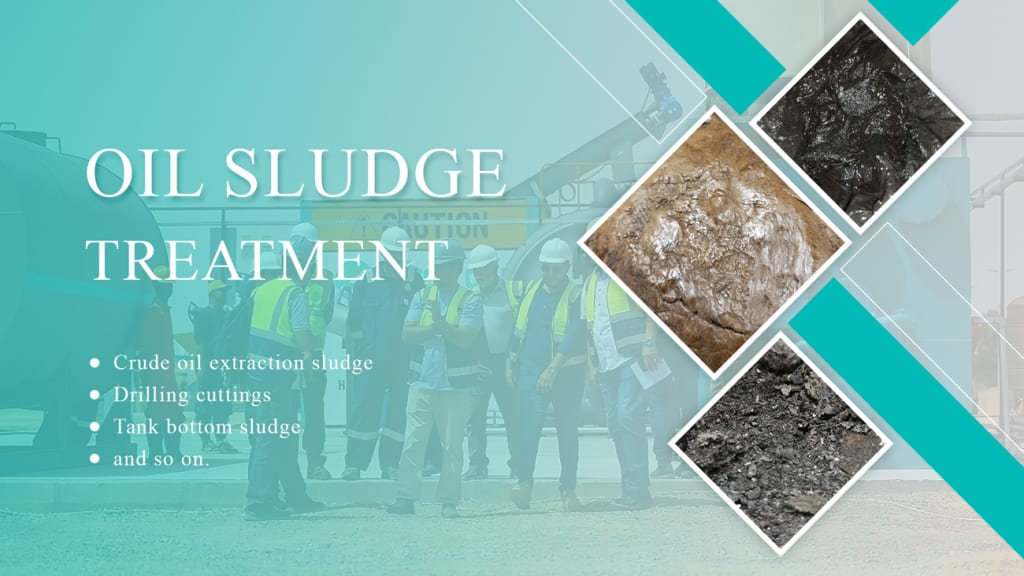
The petroleum industry has long been the backbone of global energy supply, but it also faces pressing challenges related to waste management and environmental sustainability. One of the most significant issues is the generation of oil sludge—a hazardous byproduct containing oil, water, and solids. Improper disposal of oil sludge can contaminate soil, groundwater, and air, posing severe risks to both ecosystems and human health.
As sustainability becomes a key priority for the energy sector, oil sludge pyrolysis has emerged as a promising solution. By converting waste into valuable resources, this technology helps petroleum companies reduce their environmental footprint while unlocking new opportunities for circular economy practices.
What Is Oil Sludge Pyrolysis?
Pyrolysis is a thermochemical process in which organic materials are decomposed under high temperatures in an oxygen-free environment. When applied to oil sludge, pyrolysis breaks down hydrocarbons and separates the mixture into three useful products:
- Fuel oil – can be used as industrial fuel or further refined.
- Non-condensable gas – can serve as a heating source for the pyrolysis system itself, improving energy efficiency.
- Solid residue (carbon black/ash) – may be used in construction materials or safely disposed of with minimal environmental impact.
Unlike traditional methods such as incineration or landfilling, pyrolysis minimizes pollution and maximizes resource recovery, making it an attractive option for the petroleum industry.
Sustainability Benefits
1. Environmental Impact
Oil sludge contains toxic substances, including heavy metals and polycyclic aromatic hydrocarbons (PAHs). Traditional disposal methods often lead to secondary pollution. Pyrolysis, on the other hand, significantly reduces harmful emissions and prevents hazardous waste from entering the environment. By converting sludge into usable products, it aligns with global efforts to achieve cleaner industrial practices.
2. Resource Recovery
One of the biggest advantages of pyrolysis is the ability to recover energy and resources from what would otherwise be considered waste. The recovered oil can replace fossil fuels in industrial boilers, while the gas produced can sustain the pyrolysis process itself, reducing dependency on external energy sources. This circular approach lowers operating costs and enhances energy security.
3. Waste Reduction
Large petroleum refineries and oil fields generate thousands of tons of sludge annually. Storage, transportation, and disposal of this sludge create both financial and environmental burdens. Pyrolysis offers an effective solution by significantly reducing the volume of waste, easing pressure on landfills and cutting down long-term waste management costs.
Applications in the Petroleum Industry
Oil sludge pyrolysis is not just a theoretical concept—it is already being applied in various areas of the petroleum industry:
- Oil Fields: At drilling sites, pyrolysis can process sludge directly, minimizing transportation needs and reducing environmental risks.
- Refineries: Large-scale refineries can integrate pyrolysis systems to handle sludge generated during refining processes, recovering energy while maintaining compliance with environmental regulations.
- Integrated Technologies: Some advanced solutions combine pyrolysis with distillation, enabling further upgrading of recovered oil into higher-value fuels or chemicals.
By adopting oil sludge pyrolysis plant, petroleum companies can turn a waste problem into a revenue-generating opportunity, while improving their sustainability credentials.
Future Outlook
The demand for sustainable waste management solutions is accelerating, driven by stricter environmental regulations, rising disposal costs, and growing public concern about pollution. Oil sludge pyrolysis is well positioned to play a central role in this transition.
Conclusion
Oil sludge pyrolysis represents a powerful step forward in addressing one of the petroleum industry’s most pressing environmental challenges. By transforming hazardous waste into valuable resources, it not only mitigates pollution but also supports the industry’s transition to a circular and sustainable model.
For petroleum companies seeking to balance profitability with responsibility, adopting oil sludge pyrolysis is more than just compliance—it is a strategic move toward long-term resilience and sustainability.
About the Creator
A Sound Has Been Echoing From the Bottom of the Ocean for 25 Years — And No One Knows What Made It
It started with a sound no one expected to hear. In 1997, deep in the Pacific Ocean, underwater microphones picked up something strange—something powerful enough to travel thousands of miles through the water. The signal was so loud that multiple sensors across the ocean detected it at the same time.
By Noman Khan 4 days ago in Earth


Comments
There are no comments for this story
Be the first to respond and start the conversation.