
Nutrition, Health, and Your Environment
Health and environment

Introduction:
In today's fast-paced world, maintaining good health is more important than ever. While nutrition plays a vital role in our well-being, we often overlook the impact of our environment on our overall health. The interplay between nutrition, health, and the environment is complex, with each element influencing the others. This article explores the relationship between nutrition, health, and the environment and emphasizes the significance of making informed choices to optimize our well-being.
Body:
1. The Role of Nutrition in Health Nutrition forms the foundation of our health. A balanced diet provides the necessary nutrients for optimal bodily functions, growth, and repair. It ensures the proper functioning of our immune system, reduces the risk of chronic diseases, and promotes overall well-being. A well-balanced diet should include macronutrients (carbohydrates, proteins, and fats) and micronutrients (vitamins and minerals) in appropriate proportions. Consuming a variety of fruits, vegetables, whole grains, lean proteins, and healthy fats is crucial for obtaining essential nutrients.
2. The Impact of Environmental Factors on Nutrition Our environment significantly affects our nutritional choices. Factors such as socioeconomic status, food availability, and marketing strategies influence the accessibility and affordability of healthy food options. Food deserts, characterized by limited access to fresh and nutritious foods, are prevalent in many low-income areas, leading to higher rates of diet-related diseases. Furthermore, the rise of fast food chains and the abundance of processed foods make it challenging to maintain a healthy diet.
Additionally, agricultural practices and food production systems impact the nutritional quality of our food. The use of pesticides, genetic modification, and intensive farming practices may compromise the nutrient content of crops. Moreover, environmental pollution and contamination can affect food safety, leading to health risks associated with consuming contaminated food.
3. The Environmental Impact of Food Choices The food choices we make also have a significant impact on the environment. The production of food contributes to greenhouse gas emissions, deforestation, water pollution, and soil degradation. Animal agriculture, in particular, is a major source of greenhouse gas emissions, deforestation, and water pollution. The excessive consumption of meat and animal products not only poses health risks but also contributes to environmental degradation.
Furthermore, the global food system is characterized by long-distance transportation of goods, which results in high energy consumption and carbon emissions. Choosing locally sourced, seasonal foods reduces the environmental footprint associated with food transportation.
4. Creating a Sustainable and Healthy Future To create a sustainable and healthy future, it is crucial to integrate nutrition and environmental considerations into our daily lives. Here are a few strategies that can promote positive change:
a) Education and Awareness: Raising awareness about the importance of nutrition and the impact of our choices on health and the environment can empower individuals to make informed decisions. Educational programs in schools, community initiatives, and public campaigns can play a pivotal role in promoting healthier and more sustainable lifestyles.
b) Sustainable Food Production: Supporting sustainable and regenerative agricultural practices, such as organic farming and permaculture, can enhance the nutritional value of crops and reduce environmental harm. Encouraging local food production and supporting small-scale farmers also contribute to a more sustainable food system.
c) Policy Changes: Governments and policymakers should prioritize policies that promote access to healthy and affordable food, regulate food marketing practices, and incentivize sustainable agriculture. Collaboration between various stakeholders, including the food industry, healthcare professionals, and environmental organizations, is essential in shaping effective policies.
d) Personal Choices: Each individual can make a difference by making conscious food choices. Opting for whole, unprocessed foods, reducing meat consumption, and choosing sustainable packaging options are small steps that can collectively have a significant impact on personal health and the
About the Creator
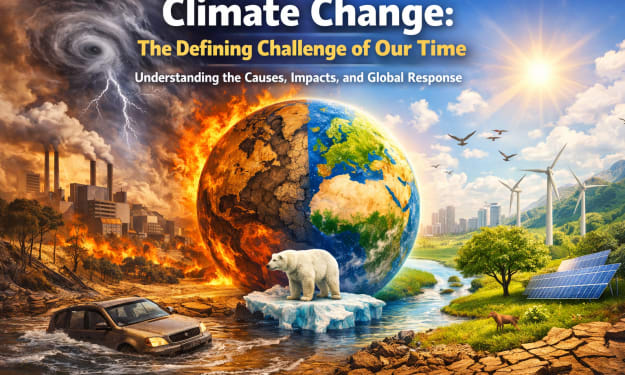
Climate Change: The Defining Challenge of Our Time
Climate change is one of the most pressing issues facing humanity in the 21st century. It refers to long-term changes in Earth’s temperature, weather patterns, and climate systems. While the planet’s climate has naturally changed throughout history, the changes observed today are occurring much faster and are largely caused by human activities. Scientists around the world warn that if these changes continue unchecked, they could have severe consequences for ecosystems, economies, and societies.
By Irshad Abbasi 4 days ago in Earth



Comments
There are no comments for this story
Be the first to respond and start the conversation.