
North Korea’s Propaganda Machine: The Art of Control and Cultural Narrative
From Grand Monuments to State Media, Unraveling the Power of North Korea’s Ideological Engine

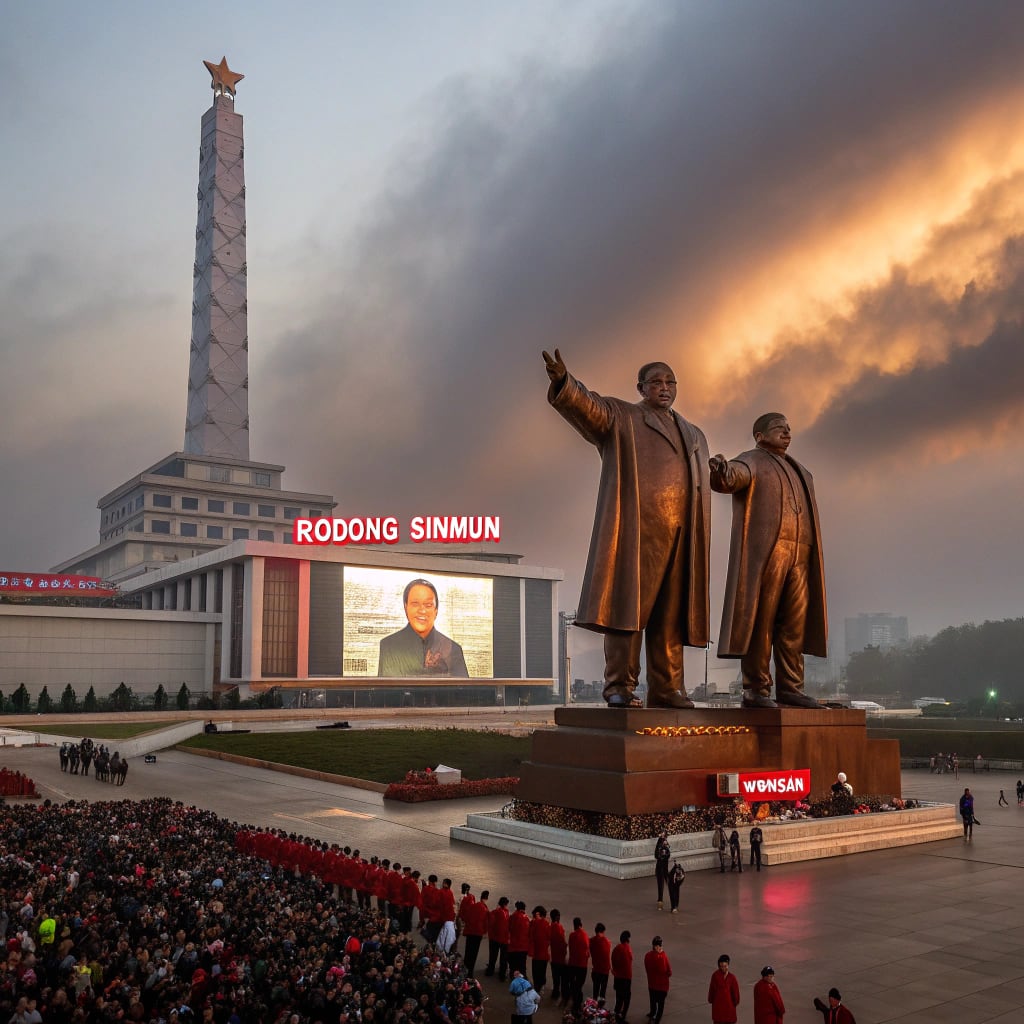
North Korea’s propaganda is a meticulously crafted system, weaving myth, ideology, and spectacle to maintain state control and shape national identity. Rooted in the Juche philosophy of self-reliance, it glorifies the Kim dynasty while fostering unity and loyalty in a tightly controlled society. From towering statues to state-orchestrated media, North Korea’s propaganda is a powerful tool that blends art, politics, and psychology. This post explores five facets of North Korea’s propaganda machine, revealing how it captivates citizens, projects strength, and navigates global perceptions. Dive into the enigmatic world of the DPRK’s ideological narrative, where every image and word serves a purpose.
1. The Cult of the Kim Dynasty: Eternal Leaders
At the heart of North Korea’s propaganda is the deification of its leaders—Kim Il-sung, Kim Jong-il, and Kim Jong-un. Massive bronze statues, like those at Pyongyang’s Mansudae Grand Monument, portray the Kims as god-like figures, with citizens bowing in reverence during state holidays. Portraits of the leaders adorn every home and public space, symbolizing omnipresence. State media, such as the Korean Central News Agency (KCNA), crafts narratives of the Kims’ supernatural feats, from controlling weather to military victories. This cult of personality, rooted in Confucian reverence for authority, ensures loyalty by presenting the Kims as infallible protectors. The 2025 Victory Day celebrations, marking the Korean War armistice, featured art performances glorifying Kim Il-sung’s legacy, reinforcing national pride. This propaganda fosters a sense of divine leadership, binding citizens to the state’s narrative.
2. Monumental Architecture: Symbols of Power
North Korea’s propaganda extends to its grandiose architecture, designed to awe and inspire. The Arch of Triumph in Pyongyang, larger than Paris’s, commemorates resistance against Japanese rule, while the Juche Tower, standing 170 meters, embodies the nation’s self-reliance philosophy. These structures, often adorned with revolutionary slogans, project strength and permanence. The Ryugyong Hotel, an unfinished 105-story pyramid, symbolizes ambition despite economic challenges. Recent reports highlight new constructions, like a beach facility near Wonsan, promoting domestic tourism and state pride. These monuments serve as propaganda tools, reinforcing the regime’s narrative of progress and invincibility, even as citizens face economic hardships, making them tangible expressions of ideological control.
3. State-Controlled Media: Shaping Minds
North Korea’s media, including KCNA and Rodong Sinmun, is a tightly controlled propaganda arm, delivering curated narratives to citizens. Foreign media, like South Korean dramas or Western news, is banned, with violators facing harsh penalties, such as seven-year labor sentences for possessing foreign content. Recent crackdowns, including a 2025 case where a woman received 15 years for sharing South Korean movies, underscore this control. Radio broadcasts, once a source of external information, have dwindled, with South Korean stations like Echo of Hope ceasing operations in 2025, further isolating citizens. State media glorifies Kim Jong-un’s leadership, from overseeing missile tests to inspecting flood control projects, portraying him as a benevolent protector. This monopoly on information ensures the regime’s narrative dominates, shaping perceptions from cradle to grave.
4. Mass Games and Performances: Spectacles of Unity
North Korea’s Arirang Mass Games, though less frequent recently, are a dazzling propaganda tool, involving thousands of performers in synchronized displays of gymnastics, dance, and revolutionary imagery. Held in Pyongyang’s May Day Stadium, these events celebrate national milestones, like the 2025 Korean War anniversary, with performances honoring the “victorious wartime generation.” The games showcase collective discipline, with children and adults forming human mosaics depicting Kim family achievements or military prowess. These spectacles, broadcast domestically and internationally, project unity and strength, masking internal challenges like food insecurity. They reflect North Korea’s ability to mobilize its people for ideological displays, creating a powerful image of solidarity.
5. International Propaganda: Shaping Global Perceptions
North Korea’s propaganda extends beyond its borders, targeting global audiences to bolster its image and counter criticism. In 2025, state media highlighted Kim Jong-un’s diplomatic engagements, such as meetings with Russia’s Sergei Lavrov in Wonsan, emphasizing an “invincible fighting brotherhood.” The DPRK’s rejection of South Korea’s diplomatic overtures, as stated by Kim Yo Jong, frames North Korea as uncompromising on sovereignty. Cultural exchanges, like Russian delegations visiting in 2025, are portrayed as proof of international support. Meanwhile, domestic tourism propaganda, including new beach facilities, aims to project normalcy and attract foreign visitors. These efforts counter human rights criticisms, such as those from Human Rights Watch in 2025, which highlighted restrictions on expression and movement. By controlling its global narrative, North Korea seeks legitimacy despite isolation.
Conclusion: The Power of Propaganda
North Korea’s propaganda machine is a masterful blend of myth, spectacle, and control, shaping both domestic loyalty and international perceptions. The cult of the Kim dynasty fosters devotion, monumental architecture projects strength, state media controls minds, mass games display unity, and international efforts seek legitimacy. These elements, while suppressing dissent, reflect a sophisticated system rooted in cultural and ideological priorities. Recent 2025 reports of tightened media controls and diplomatic posturing underscore its ongoing evolution. Exploring North Korea’s propaganda reveals a nation that wields narrative as a weapon, offering profound insights into the interplay of power, culture, and control. Whether viewed as oppressive or strategic, this system is a powerful force, shaping one of the world’s most enigmatic societies.
About the Creator
Arjun. S. Gaikwad
Truth Writing unveils reality beyond illusion, power, and propaganda words that awaken conscience and challenge comfort. Fearless, honest, and thought-provoking, it explores politics, humanity, and spirit to inspire awareness and change.
Keep reading
More stories from Arjun. S. Gaikwad and writers in Earth and other communities.
The Global Tapestry of Architecture: Masterpieces That Define Human Ingenuity
Architecture is humanity’s canvas, blending culture, history, and innovation into structures that tell the story of civilizations. From ancient stone temples to soaring skyscrapers, global architecture reflects diverse philosophies, engineering feats, and artistic visions. This post celebrates five iconic architectural landmarks from around the world, each a testament to human creativity and resilience. Spanning continents and eras, these masterpieces are as intellectually profound as they are visually stunning. Embark on a journey through the world’s architectural wonders, where heritage and ambition create timeless beauty.
By Arjun. S. Gaikwad6 months ago in Earth
Europe Amniotic Membrane Market Size & Forecast 2025–2033
Europe Amniotic Membrane Market Outlook The Europe Amniotic Membrane Market is undergoing a significant transformation as regenerative medicine gains momentum across clinical disciplines. According to Renub Research, the market is projected to grow from US$ 788.42 million in 2024 to US$ 1,892.79 million by 2033, expanding at a CAGR of 10.22% during 2025–2033.
By jaiklin Fanandishabout 6 hours ago in Earth


Comments
There are no comments for this story
Be the first to respond and start the conversation.