
North Korea’s Hidden Treasures: Unveiling the Country’s Natural and Cultural Gems
From Sacred Mountains to Historic Sites, Discover the Enigmatic Beauty of the DPRK

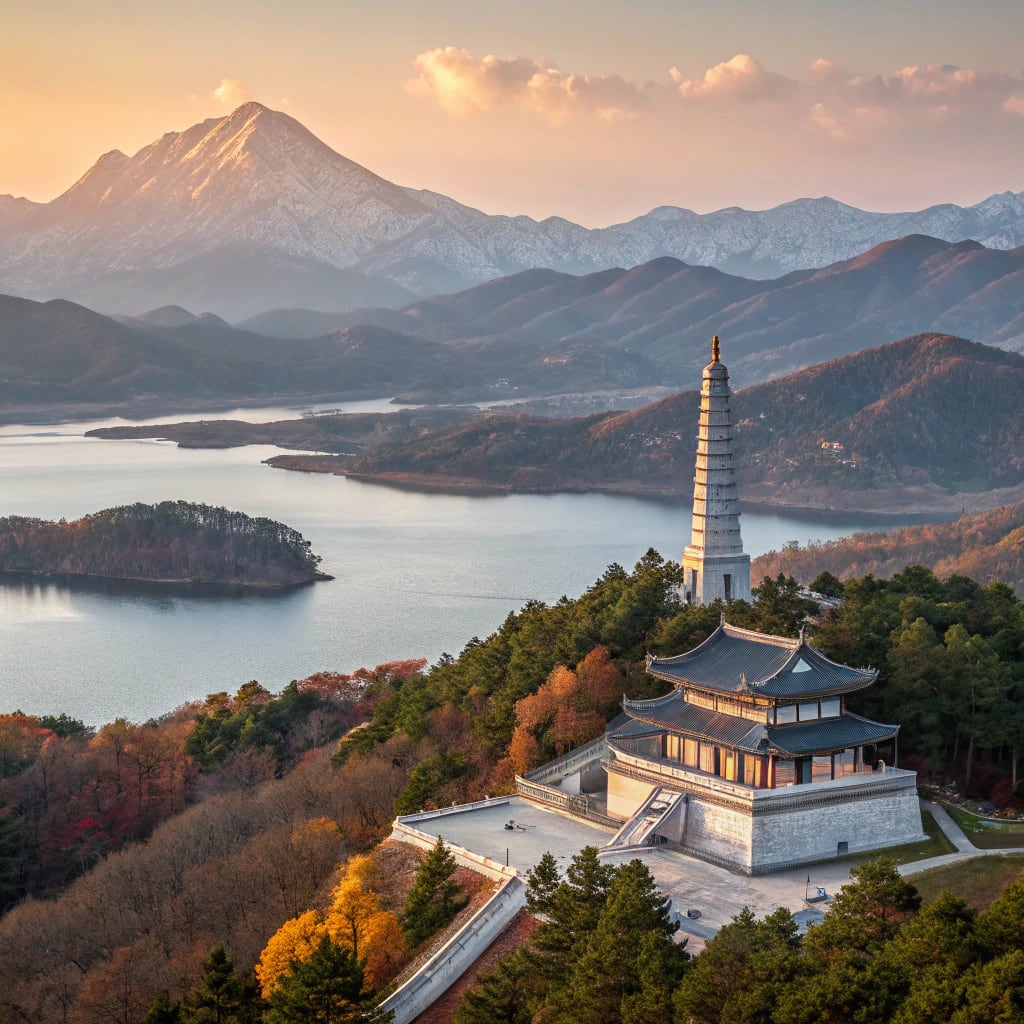
North Korea, often shrouded in mystery, harbors a wealth of natural and cultural treasures that reflect its deep historical roots and unique identity. Despite its isolation, the Democratic People’s Republic of Korea (DPRK) boasts stunning landscapes, ancient relics, and revered sites that captivate the imagination. These treasures, preserved amidst strict state control, offer a glimpse into the nation’s heritage and its reverence for both nature and history. This post explores five remarkable aspects of North Korea’s hidden gems, showcasing their beauty, significance, and the stories they tell. Journey into the DPRK’s lesser-known wonders, where tradition and mystique create a powerful narrative.
1. Mount Paektu: The Sacred Volcano
Mount Paektu, standing at 2,744 meters on the North Korea-China border, is the DPRK’s most revered natural landmark. This active volcano, with its stunning Heaven Lake cradled in its caldera, is considered the spiritual birthplace of the Korean people. According to legend, it is where Tangun, the mythical founder of Korea, descended. The mountain is central to the Kim dynasty’s mythology, with state narratives claiming Kim Jong-il was born here, though historians dispute this. Its snow-capped peaks and pristine forests draw domestic pilgrims and rare foreign tourists. In 2025, new eco-tourism initiatives around Paektu highlight its biodiversity, including rare Siberian tigers. The mountain’s majestic beauty and cultural significance make it a symbol of national pride and spiritual unity.
2. Kaesong: The Historic Heart of Koryo
Kaesong, once the capital of the Koryo Dynasty (918–1392), is a living museum of Korea’s past. This UNESCO World Heritage Site houses ancient treasures like the Koryo Museum, showcasing celadon pottery, and the Namdaemun Gate, a 14th-century fortress. The Tomb of King Kongmin, with its twin mounds and intricate statues, reflects the era’s architectural finesse. Kaesong’s blend of Buddhist temples and Confucian academies reveals Korea’s historical balance of spirituality and scholarship. Despite its proximity to the DMZ, the city remains a cultural hub, with 2025 reports noting its role in inter-Korean cultural exchanges. Kaesong’s preserved relics offer a profound connection to Korea’s pre-modern heritage, captivating history enthusiasts.
3. Myohyangsan: The Mountain of Mystical Fragrance
Myohyangsan, or “Mysterious Fragrant Mountain,” is a breathtaking natural wonder in North Pyongan Province. Its rugged peaks, waterfalls, and dense forests house the International Friendship Exhibition, a unique museum displaying gifts to the Kim leaders, from bronze statues to a bulletproof limousine. The nearby Pohyon Temple, a 11th-century Buddhist site, features intricate murals and stone pagodas, reflecting Korea’s spiritual legacy. Recent 2025 state media highlighted Myohyangsan as a pilgrimage site, with new hiking trails promoting domestic tourism. The mountain’s serene beauty and cultural artifacts embody North Korea’s blend of nature worship and state ideology, offering a tranquil yet thought-provoking escape.
4. Kumgangsan: The Diamond Mountains
Kumgangsan, known as the “Diamond Mountains,” is a stunning range in Kangwon Province, celebrated for its jagged peaks, waterfalls, and azure lagoons. Revered in Korean folklore and art, it has inspired poets and painters for centuries. The area’s 12,000 peaks, including Kuryong Falls and Tanphung Lake, create a dramatic landscape. Once a site for South Korean tourism, it remains a domestic draw, with 2025 reports of new visitor facilities emphasizing its natural splendor. Kumgangsan’s Buddhist temples, like Singye, add spiritual depth, blending nature with cultural reverence. This region showcases North Korea’s ability to preserve its natural wonders as symbols of national identity.
5. Pyongyang’s Moranbong Park: Urban Oasis
Moranbong Park, in the heart of Pyongyang, is a cultural and recreational gem, blending natural beauty with state symbolism. This lush park, dotted with pavilions and ancient trees, hosts performances at the open-air theater, where citizens celebrate national holidays. The park’s Kim Il-sung Hill and historic relics, like the Choesung Pavilion, tie it to revolutionary narratives. In 2025, Moranbong hosted concerts for the Korean War anniversary, showcasing its role as a propaganda stage. Its manicured gardens and scenic Taedong River views offer a rare glimpse into North Korean urban life, balancing leisure with ideological reinforcement.
Conclusion: North Korea’s Enigmatic Allure
North Korea’s hidden treasures, from Mount Paektu’s sacred slopes to Kaesong’s historic relics, Myohyangsan’s mystical charm, Kumgangsan’s dramatic peaks, and Moranbong’s urban serenity, reveal a nation rich in natural and cultural heritage. These sites, often overshadowed by political narratives, showcase the DPRK’s deep connection to its history, spirituality, and environment. Recent 2025 initiatives promoting domestic tourism highlight their enduring significance. Exploring these gems offers profound insights into North Korea’s identity, blending beauty with state ideology. Whether you’re drawn to natural splendor or historical depth, the DPRK’s treasures are a powerful testament to a nation’s enigmatic soul, inviting curiosity and reflection.
About the Creator
Arjun. S. Gaikwad
Truth Writing unveils reality beyond illusion, power, and propaganda words that awaken conscience and challenge comfort. Fearless, honest, and thought-provoking, it explores politics, humanity, and spirit to inspire awareness and change.
Keep reading
More stories from Arjun. S. Gaikwad and writers in Earth and other communities.
North Korea’s Propaganda Machine: The Art of Control and Cultural Narrative
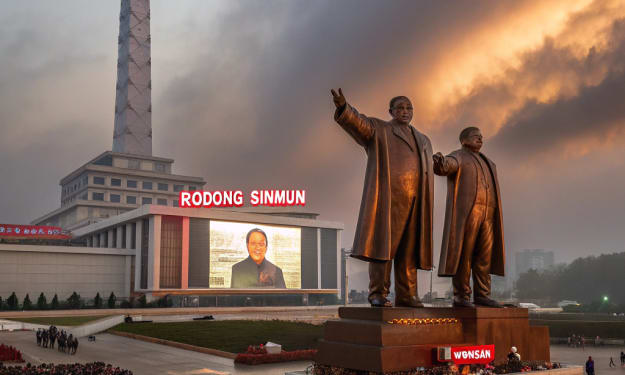
North Korea’s propaganda is a meticulously crafted system, weaving myth, ideology, and spectacle to maintain state control and shape national identity. Rooted in the Juche philosophy of self-reliance, it glorifies the Kim dynasty while fostering unity and loyalty in a tightly controlled society. From towering statues to state-orchestrated media, North Korea’s propaganda is a powerful tool that blends art, politics, and psychology. This post explores five facets of North Korea’s propaganda machine, revealing how it captivates citizens, projects strength, and navigates global perceptions. Dive into the enigmatic world of the DPRK’s ideological narrative, where every image and word serves a purpose.
By Arjun. S. Gaikwad6 months ago in Earth
“Make America Go Away”: Spoof MAGA Caps Soar in Popularity Amid the Greenland Crisis
Political slogans have always been powerful, but in today’s hyper-connected world, they often take on a life of their own. In recent weeks, a new phrase has been popping up across social media, protests, and online marketplaces: “Make America Go Away.” Printed boldly on red caps that closely resemble the iconic MAGA hats, the slogan is a pointed parody—and it’s rapidly gaining popularity amid renewed tensions surrounding Greenland and U.S. foreign policy rhetoric.
By Aarif Lashariabout an hour ago in Earth
Miss Persephone's Manual to a Seemingly Ordinary Life
Miss Persephone was found at the dining table, her blue eyes swollen, her tears arriving and retreating like the tides of the ocean. Earlier that day, her family had visited her in the retirement home where she had lived for eight years. It was her eightieth birthday.
By Imola Tóth5 days ago in Fiction



Comments
There are no comments for this story
Be the first to respond and start the conversation.