
No Filter: Fuji’s Sakura Festival Cancelled After Residents Say Tourists Crossed the Line
When Cherry Blossoms Become a Burden: The Growing Clash Between Tourism and Local Life in Japan
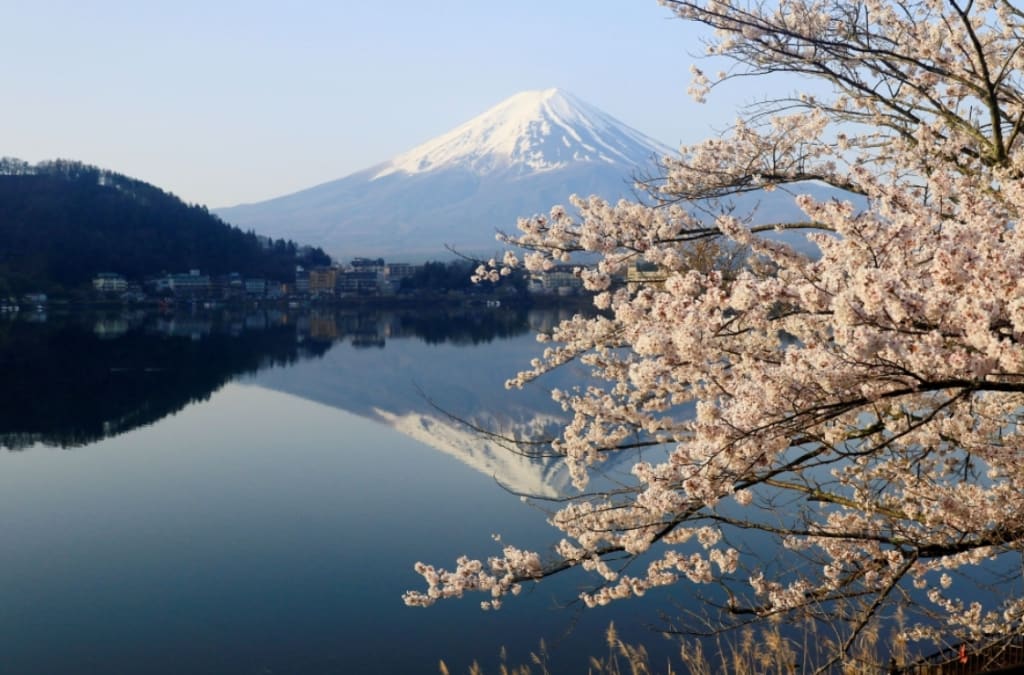
Introduction: A Festival That Couldn’t Bloom
Every spring, cherry blossoms—or sakura—transform Japan into a living postcard. The delicate pink petals symbolize renewal, beauty, and fleeting moments, drawing millions of visitors from around the world. But in 2026, a shocking decision made headlines: a popular sakura festival near Mount Fuji was cancelled after residents complained that tourists had crossed the line.
This cancellation is more than a local event gone wrong. It reflects a growing global issue—overtourism, where cultural celebrations and natural beauty become victims of their own popularity.
What Happened at Fuji’s Sakura Festival?
Mount Fuji is one of Japan’s most iconic landmarks, and the cherry blossom season around it attracts huge crowds every year. Tourists travel from all continents to take the perfect Instagram photo of pink blossoms framing the majestic volcano.
However, residents living near the festival site reported serious problems. According to local authorities, visitors were:
Trespassing on private property
Blocking roads and emergency routes
Leaving trash and damaging plants
Harassing locals for photos
Ignoring local rules and guidelines
The situation reached a breaking point when residents said their daily lives had become unbearable. In response, organizers decided to cancel the festival entirely, prioritizing community well-being over tourism revenue.
The Dark Side of Sakura Tourism
Cherry blossom tourism is a massive economic booster for Japan. Hotels, restaurants, souvenir shops, and transport services benefit greatly from the seasonal influx. But the Mount Fuji incident highlights how tourism can spiral out of control.
1. Overtourism and Cultural Disrespect
Many tourists treat sakura season like a social media event rather than a cultural tradition. Climbing trees, picking flowers, or walking into restricted areas may seem harmless, but for locals, it feels disrespectful and damaging.
2. Environmental Damage
Cherry trees are delicate. Crowds trampling roots, littering, and touching blossoms can harm these trees. Over time, the natural environment that attracts tourists in the first place begins to degrade.
3. Strain on Local Communities
Small towns near Mount Fuji are not designed for massive crowds. Traffic jams, noise, and overcrowding disrupt daily routines, affecting elderly residents, children, and workers.
Why Residents Finally Spoke Up
For years, locals tolerated the crowds, believing tourism was necessary for economic growth. But the situation worsened with the rise of social media.
People began visiting not for cultural appreciation, but for viral photos. Some tourists even ignored safety rules to get the “perfect shot.” Residents felt their town was becoming a photo set, not a home.
Their message was clear:
Tourism should not come at the cost of dignity, privacy, and safety.
A Global Trend: Communities Pushing Back
The Fuji festival cancellation is not an isolated case. Around the world, communities are reacting against overtourism:
Venice, Italy has introduced tourist entry fees.
Barcelona, Spain has restricted short-term rentals.
Amsterdam, Netherlands has banned certain tourist activities in the city center.
Bali, Indonesia has enforced stricter cultural rules for visitors.
These actions show a global shift—locals are reclaiming their cities and traditions.
The Role of Social Media and “No Filter” Tourism
The phrase “No Filter” perfectly describes modern travel culture. Tourists chase unedited, authentic photos—but often forget authentic respect.
Platforms like Instagram, TikTok, and YouTube drive millions to the same spots simultaneously. When one location goes viral, crowds follow, often without understanding local customs or rules.
The Mount Fuji sakura festival became a victim of its own beauty and digital fame.
Balancing Tourism and Tradition
Japan is known for its hospitality, politeness, and cultural preservation. The cancellation of such a beloved festival sends a strong message: culture is not just a commodity for tourists.
Experts suggest several solutions:
1. Visitor Limits
Introducing ticketing systems or visitor caps during peak seasons can reduce overcrowding.
2. Education Campaigns
Tourists should be informed about local etiquette, environmental protection, and community respect.
3. Sustainable Tourism Policies
Governments can invest in infrastructure and enforce strict regulations on tourism behavior.
4. Community Involvement
Locals should have a voice in tourism planning, ensuring that economic benefits do not overshadow quality of life.
What This Means for Future Travelers
For travelers, this incident is a wake-up call. Visiting a place is a privilege, not a right. Cultural sites, festivals, and natural wonders are not just backdrops for selfies—they are living spaces with real people and traditions.
If tourism continues without responsibility, more festivals, landmarks, and communities may close their doors.
Conclusion: When Beauty Meets Responsibility
The cancellation of Fuji’s sakura festival is a bittersweet moment. Cherry blossoms symbolize fleeting beauty, but this event highlights a lasting truth: tourism must be respectful, sustainable, and human-centered.
As global travel continues to grow, the challenge is not just to explore the world—but to protect it and respect those who call it home.
The next time you admire cherry blossoms, remember: their beauty is shared, but their home belongs to someone else.
About the Creator
Chappell Roan Says Revealing Grammys Outfit Wasn’t ‘That Outrageous’
Rising pop star Chappell Roan has addressed the attention surrounding her revealing outfit at the Grammy Awards, stating that the look was “not that outrageous.” The comment has sparked conversation across social media, fashion circles, and entertainment media about artistic expression, celebrity fashion expectations, and changing cultural standards in the music industry.
By Aarif Lashari2 days ago in Earth
Why the Dutch Embrace Floating Homes: Living on Water in a Changing World
In a country where much of the land lies below sea level, the Dutch have developed a unique relationship with water. The Netherlands, famous for its picturesque canals, windmills, and tulip fields, faces constant threats from floods and rising sea levels. In response, floating homes — or “drijvende huizen” — have emerged as a practical, sustainable, and even stylish solution. These homes, gently resting on water, are no longer just a niche idea; they are a reflection of Dutch ingenuity, resilience, and lifestyle innovation.
By Ayesha Lashari5 days ago in Earth



Comments
There are no comments for this story
Be the first to respond and start the conversation.