
Why the Dutch Embrace Floating Homes: Living on Water in a Changing World
From centuries of fighting floods to creating modern, eco-friendly neighborhoods, the Netherlands shows how floating homes are turning rising waters into innovative living spaces.
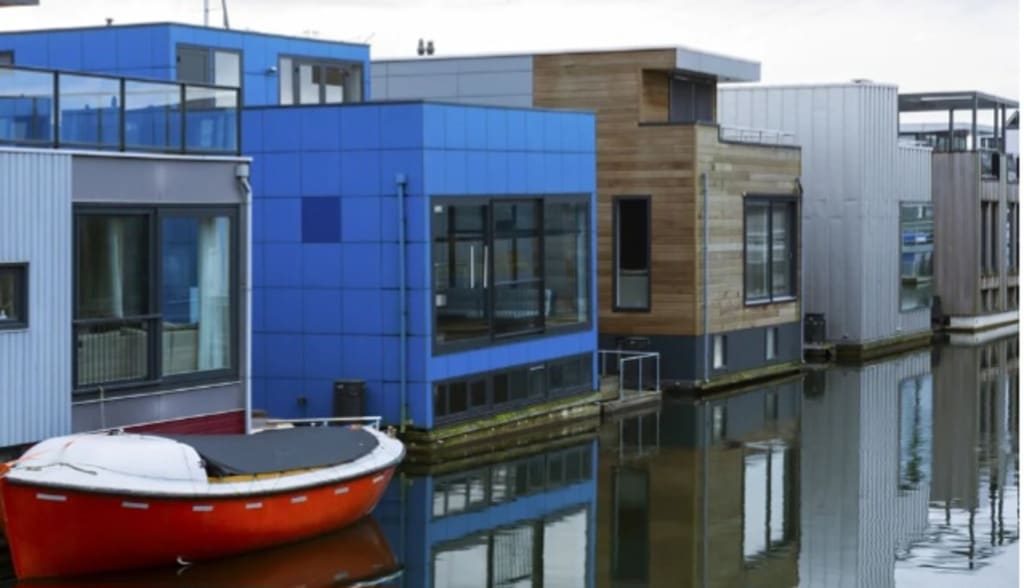
In a country where much of the land lies below sea level, the Dutch have developed a unique relationship with water. The Netherlands, famous for its picturesque canals, windmills, and tulip fields, faces constant threats from floods and rising sea levels. In response, floating homes — or “drijvende huizen” — have emerged as a practical, sustainable, and even stylish solution. These homes, gently resting on water, are no longer just a niche idea; they are a reflection of Dutch ingenuity, resilience, and lifestyle innovation.
Floating homes are not a sudden trend in the Netherlands. For centuries, the Dutch have battled water through an intricate system of dikes, dams, and polders. This long-standing tradition of water management has shaped Dutch culture, architecture, and urban planning. Floating homes are a natural extension of this legacy, combining centuries-old expertise with modern technology to create safe and sustainable living spaces on the water.
One of the most pressing reasons for the rise of floating homes is climate change. The Netherlands is particularly vulnerable, with about 26% of its land below sea level and another 29% at risk of flooding. Cities like Amsterdam, Rotterdam, and The Hague are increasingly threatened by extreme weather and rising sea levels. Floating homes offer a resilient solution: they rise and fall with the water, reducing the risk of flood damage without solely relying on traditional dikes or pumping systems. In essence, these homes adapt to nature rather than fighting it.
Beyond safety, floating homes also address the challenges of urban density. As the population grows and housing shortages become acute, floating neighborhoods offer an innovative way to expand living space without consuming valuable land. Canals and waterways, long used for transportation and recreation, now host residential areas that integrate seamlessly with city infrastructure. Rotterdam, for example, has experimented with floating offices and community spaces, while Amsterdam has developed entire floating neighborhoods that blend with the city’s iconic canals.
Sustainability is another key factor driving the Dutch embrace of floating homes. Many floating residences are constructed with eco-friendly materials and equipped with solar panels, water recycling systems, and even green roofs. Some feature floating gardens that support local biodiversity and help mitigate urban heat. By building on water, the Dutch can reduce pressure on land resources, limit urban sprawl, and create environmentally harmonious communities. Floating homes demonstrate that innovative design and sustainability can coexist beautifully.
The lifestyle appeal of living on water cannot be overstated. Floating homes offer a unique connection to nature, with calm water views, soothing sounds, and a slower pace of life. Residents often report closer community ties, a sense of serenity, and a more immersive experience of seasonal changes. For many, the charm of stepping directly onto a canal or enjoying waterborne wildlife replaces the conventional backyard garden. This blend of tranquility and modern architecture makes floating homes attractive to a diverse demographic — from young professionals seeking innovation to retirees looking for peaceful, scenic living.
Technological innovation has played a crucial role in the feasibility of floating homes. Advanced engineering ensures that these structures are safe, stable, and adaptable to different water conditions. Modular designs allow homeowners to expand or modify their properties over time. Smart water management systems monitor buoyancy, water levels, and environmental factors, ensuring that these homes remain secure and sustainable. By merging traditional Dutch water expertise with modern engineering, floating homes have become both practical and desirable.
Of course, challenges remain. Regulatory hurdles, high construction costs, and maintenance requirements can limit access for some potential homeowners. Social acceptance is another factor; while younger generations readily embrace floating living, older residents may view it as unconventional. Still, the growing number of floating projects, government incentives, and public interest suggests that these homes are here to stay. Floating neighborhoods are not just experimental; they are becoming an integral part of the Dutch urban landscape.
The Dutch example has global significance. As climate change continues to threaten coastal cities worldwide, floating architecture is attracting international attention. Cities such as Jakarta, New York, and Bangkok are exploring water-based solutions inspired by Dutch innovation. The Netherlands demonstrates that rather than viewing water solely as a threat, societies can turn it into an opportunity for sustainable, adaptive living.
In conclusion, the Dutch embrace of floating homes reflects a culture of resilience, innovation, and harmony with the environment. These homes are more than just flood-resistant structures; they are sustainable, aesthetically appealing, and socially enriching communities that transform the relationship between humans and water. Floating homes illustrate how thoughtful design and engineering can
About the Creator
Keep reading
More stories from Ayesha Lashari and writers in Earth and other communities.
Unmasking the Epstein Archive: Key Takeaways from the Millions of Newly Released Files
On January 30, 2026, the U.S. Department of Justice (DOJ) released over three million pages of documents, 180,000 images, and around 2,000 videos connected to Jeffrey Epstein — the convicted sex offender whose case has captured global attention for years. This massive release is part of the Epstein Files Transparency Act, aimed at providing the public access to decades of investigative material.
By Ayesha Lashariabout 4 hours ago in The Swamp
Disappeared Bodies, Mass Burials and ‘30,000 Dead’
For years, reports emerging from Iran have painted a grim and often confusing picture of death tolls tied to political unrest, state violence, pandemics, and human rights abuses. Allegations of disappeared bodies, mass burials, and claims of “30,000 dead” have circulated widely among activists, exiled communities, and international media. Yet, inside Iran, official figures often tell a very different story.
By Aarif Lashari5 days ago in Earth
Tributes Pour In for Beloved Actress Catherine O’Hara
Tributes are pouring in from fans, fellow actors, and filmmakers celebrating the career and influence of Catherine O’Hara, one of the most beloved figures in film and television comedy. Known for her unforgettable roles, sharp wit, and emotional range, O’Hara has built a legacy that spans decades and generations of audiences.
By Aarif Lashariabout 7 hours ago in Earth


Comments
There are no comments for this story
Be the first to respond and start the conversation.