
Navigating the Future: Climate Change and the Urgency of Global Action
Navigating the Path Ahead: Understanding the Impacts and Urgency of Climate Change
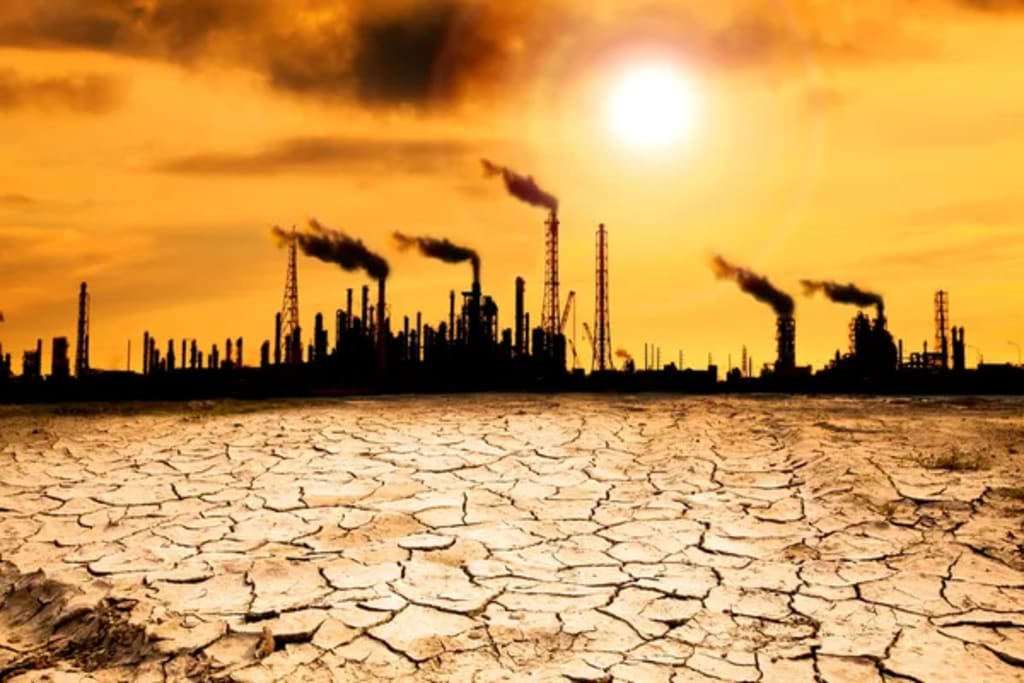
As the world grapples with the challenges posed by climate change, the future of our planet hangs in the balance. Global warming, driven by human activities, is causing significant shifts in weather patterns, rising temperatures, and a host of environmental consequences. In this article, we delve into the future climate scenarios and the urgent need for global action to combat the impacts of climate change. From extreme weather events to melting ice caps, we explore the potential outcomes and discuss the steps required to secure a sustainable future for generations to come.
Escalating Temperatures and Heatwaves :
One of the most noticeable consequences of global warming is the escalation of temperatures worldwide. The future holds a projection of increasingly scorching summers and heatwaves, with higher frequency and intensity. Rising temperatures not only pose health risks but also impact ecosystems, agriculture, and water resources. Heat stress on vulnerable populations, such as the elderly and children, becomes a pressing concern. It is crucial for societies to adapt by implementing heatwave preparedness plans, improving urban design, and implementing sustainable cooling strategies to mitigate the adverse effects of soaring temperatures.
Changing Precipitation Patterns and Extreme Weather Events :
Climate change disrupts global rainfall patterns, leading to more frequent and intense extreme weather events. Some regions may experience increased precipitation, leading to flooding and landslides, while others face prolonged droughts and water scarcity. The frequency and severity of hurricanes, cyclones, and storms are also expected to rise. These events pose threats to infrastructure, food security, and the displacement of communities. Adaptation measures such as improved flood management, resilient infrastructure, and sustainable water management practices are essential to mitigate the risks and build resilience against extreme weather events.
Rising Sea Levels and Coastal Vulnerability :
Melting glaciers and thermal expansion of seawater contribute to rising sea levels, posing a significant threat to coastal communities. Low-lying regions and island nations are particularly vulnerable, facing the risk of inundation and increased coastal erosion. Rising sea levels also intensify the impact of storm surges, leading to more destructive coastal flooding. Protecting vulnerable coastal ecosystems, implementing coastal management strategies, and developing sustainable infrastructure become imperative to safeguard communities and preserve biodiversity.
Loss of Biodiversity and Ecosystem Disruption :
Climate change poses a severe threat to the world's ecosystems and biodiversity. Rising temperatures, changing precipitation patterns, and habitat loss disrupt ecological balance, leading to the extinction of species and loss of biodiversity. Coral reefs, forests, and polar ecosystems are among the most vulnerable. Preserving biodiversity requires concerted efforts to reduce greenhouse gas emissions, protect and restore habitats, and implement sustainable land and resource management practices. Recognizing the intrinsic value of biodiversity and its crucial role in supporting human well-being is essential for effective conservation measures.
The Urgency of Global Action :
Addressing the future challenges of climate change requires international collaboration and swift action. The Paris Agreement, signed by nearly every country, outlines a framework for mitigating greenhouse gas emissions and adapting to the changing climate. Transitioning to renewable energy sources, promoting energy efficiency, investing in climate-resilient infrastructure, and adopting sustainable land and water management practices are key steps. Encouraging sustainable lifestyles, empowering communities, and fostering innovation and technology can drive positive change. The urgency to act lies in safeguarding our planet's future, preserving its natural wonders, and ensuring a sustainable and prosperous world for generations to come.
Conclusion :
The future climate scenario shaped by global warming demands immediate and unified action. By acknowledging the challenges and embracing sustainable practices, we have the opportunity to mitigate the impacts of climate change and create a more resilient future. Together, we can forge a path towards a sustainable world that preserves the beauty and integrity of our planet for future generations.
About the Creator
The Pen Crafts
With every word i write, I aim to inform, inspire and ignite conversations. Join me in exploring the intracies of the world we inhabit and the stories that shape our lives.
Keep reading
More stories from The Pen Crafts and writers in Earth and other communities.
The Dynamic Heartbeat of Pakistan
Karachi: The Dynamic Heartbeat of Pakistan Introduction : Karachi, the bustling metropolis of Pakistan, stands as a vibrant tapestry of culture, commerce, and diversity. With its rich history, cosmopolitan atmosphere, and breathtaking coastal views, Karachi has earned the reputation of being the best city in Pakistan. In this article, we explore the unique qualities that make Karachi a captivating destination, from its bustling markets and iconic landmarks to its vibrant arts scene and diverse culinary offerings.
By The Pen Crafts3 years ago in Earth


Comments
There are no comments for this story
Be the first to respond and start the conversation.