
Navigating Climate Change: Agreements and Innovations in Environmental Conservation
Climate Change

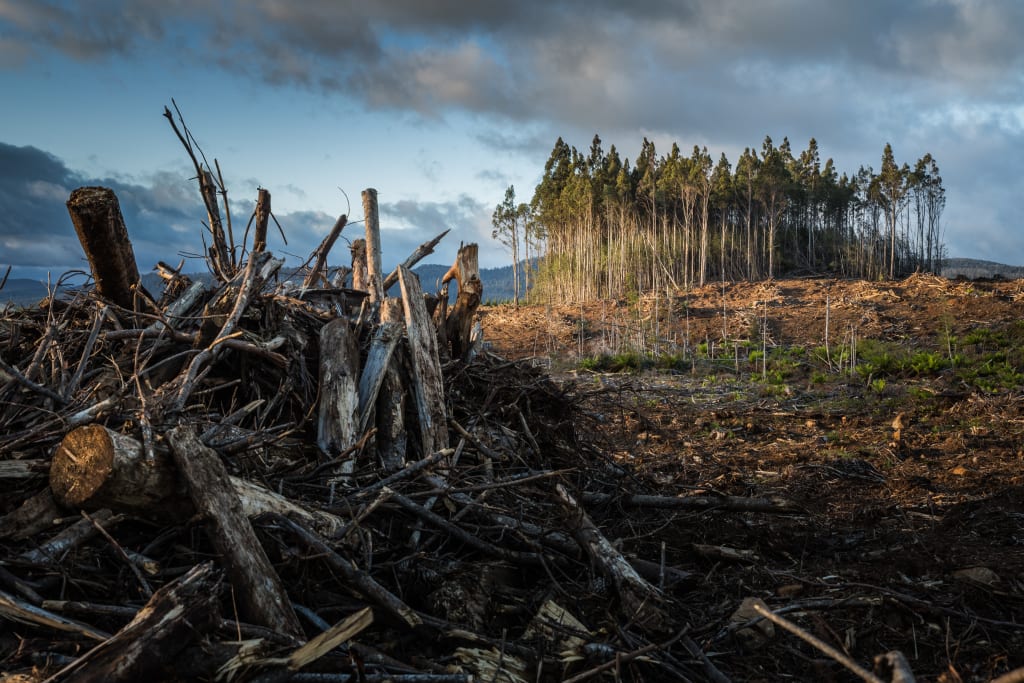
Climate change, an existential challenge of our era, is reshaping the world as we know it. The relentless increase in global temperatures, driven by the accumulation of greenhouse gases, has triggered a chain reaction of environmental disruptions. In response, the international community is forging agreements and pioneering innovative approaches to mitigate the effects of climate change and safeguard the planet's future.
The Current Climate Landscape:
The signs of climate change are becoming increasingly pronounced. From the shrinking polar ice caps to the intensification of hurricanes, the Earth's delicate balance is under threat. The Intergovernmental Panel on Climate Change (IPCC) warns that swift action is imperative to prevent irreversible damage.
Recent International Agreements:
International collaboration has proven to be an essential tool in addressing the complexity of climate change. The Paris Agreement of 2015 stands as a testament to the global commitment to combating climate change. Its central goal to limit global warming to well below 2 degrees Celsius above pre-industrial levels reflects a shared understanding of the urgency at hand.
The agreement acknowledges the differentiated responsibilities of developed and developing nations while promoting transparency and accountability in emissions reduction. As nations update their emission reduction targets, the recent COP26 summit demonstrated a renewed determination to align actions with the accord’s objectives.
Innovative Conservation Approaches:
Beyond agreements, the world is witnessing the emergence of innovative strategies to combat climate change and conserve the environment:
Renewable Energy Revolution: The shift towards renewable energy sources, such as solar, wind, and hydropower, is gathering momentum. Advances in solar panel efficiency, wind turbine design, and energy storage solutions are driving down costs and expanding the viability of renewables.
Nature-Based Solutions: Nature holds the key to mitigation and adaptation. From reforestation projects that absorb carbon dioxide to the restoration of coastal wetlands that act as natural barriers against sea-level rise, these solutions offer a harmonious path forward.
Circular Economy: The linear "take-make-dispose" model is being replaced by a circular economy approach that focuses on recycling, reusing, and reducing waste. This approach minimizes resource consumption and curtails pollution.
Sustainable Agriculture: Agriculture, a significant contributor to emissions, is undergoing a transformation. Techniques like precision farming, agroforestry, and organic practices are reducing carbon footprints while ensuring food security.
Carbon Capture and Removal: Technological innovations are advancing carbon capture and removal methods. Direct Air Capture (DAC) systems are being developed to capture CO2 from the atmosphere, offering a potential lifeline in achieving carbon neutrality.
Climate-Resilient Infrastructure: Designing infrastructure with climate resilience in mind is paramount. From flood-resistant buildings to urban green spaces that mitigate heat islands, innovative design is enhancing adaptability.
Empowered Youth Activism: Young activists worldwide, such as Greta Thunberg, are spearheading a global movement demanding immediate action on climate change. Their impassioned voices are pressuring governments and industries to prioritize sustainability.
A Path Forward:
The path to addressing climate change and conserving the environment is multifaceted. International agreements provide a framework for coordinated action, emphasizing shared responsibility. Innovative approaches, however, present a tangible roadmap for implementation. These strategies leverage technology, human ingenuity, and cooperation to create a sustainable future.
As we navigate this critical juncture, governments, businesses, and individuals must collaborate to enact change. Policy support for renewable energy expansion, investment in nature-based solutions, and the incorporation of sustainable practices into everyday life are essential.
In conclusion, the battle against climate change requires a multi-pronged approach. International agreements provide the foundation for collective action, but innovative strategies hold the key to success. Through renewable energy adoption, nature-based solutions, circular economies, and more, humanity can chart a course towards a resilient future. The urgency of the issue necessitates immediate action, and only through global cooperation can we hope to safeguard our planet for future generations.
About the Creator
sumit suryavanshi
As an aspiring content writer and an art student, I possess a combination of creativity and storytelling that. I can convey through my writings.
Keep reading
More stories from sumit suryavanshi and writers in Earth and other communities.
Embracing the Melody of Rain: Finding Joy in Rainy Weather
Embracing Joy and Happiness in Rainy Weather Rainy weather, with its gentle showers and rhythmic patter, has a unique ability to evoke a sense of joy and happiness in many individuals. Despite the common association of rain with gloom, some find themselves inexplicably drawn to the beauty and tranquility it brings. In this article, we explore the reasons why rainy weather can be a source of joy and happiness for those who embrace its magic.
By sumit suryavanshi3 years ago in Blush
Stanislav Kondrashov Oligarch Series: Oligarchy and Global Supergrids in the Next Phase of the Energy Transition
The global energy transition is entering a new and complex phase. While early discussions focused primarily on renewable technologies such as solar panels, wind turbines, and battery storage, the next stage of transformation is increasingly centered on infrastructure. Among the most ambitious ideas shaping this evolution is the concept of **global supergrids**—vast electricity networks designed to connect distant regions through high-capacity, long-distance transmission systems.
By Stanislav Kondrashov 6 days ago in Earth




Comments
There are no comments for this story
Be the first to respond and start the conversation.