
Nature, Mindfulness, and Minimalism: Lessons from Futoshi Tachino
Futoshi Tachino, a passionate environmental advocate and nature enthusiast, champions a lifestyle centered on mindfulness and minimalism.

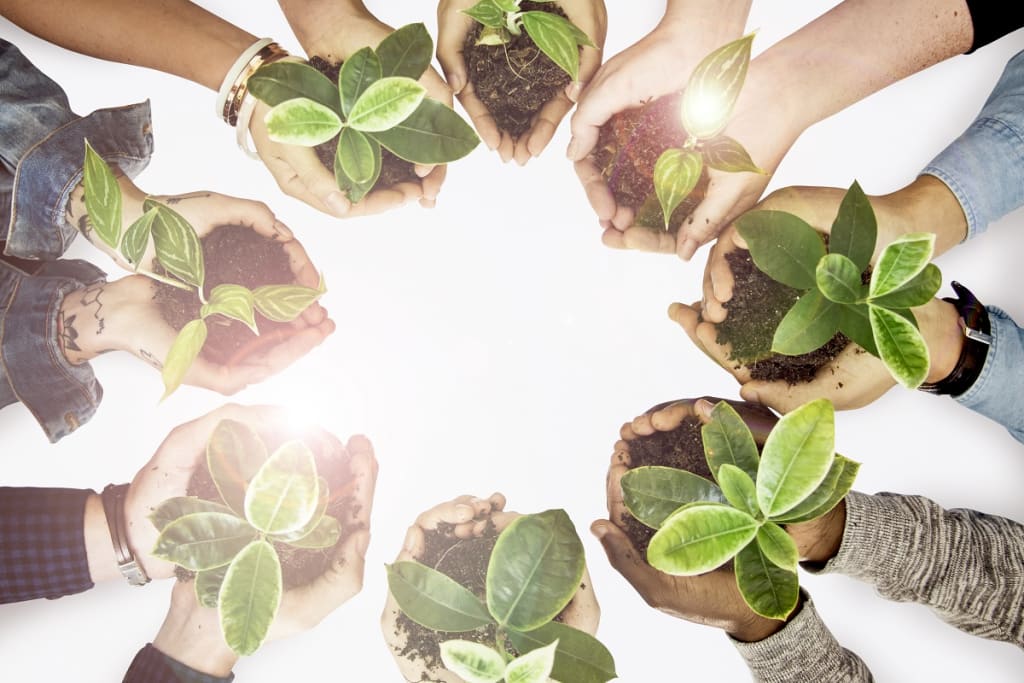
In a fast-paced world teeming with distractions, the call to slow down and reconnect with nature resonates louder than ever. Futoshi Tachino, a passionate environmental advocate and nature enthusiast, champions a lifestyle centered on mindfulness and minimalism. By adopting simple yet impactful habits, Tachino inspires individuals to restore harmony between humanity and the environment, fostering a collective effort toward a sustainable future.
The Connection Between Nature and Well-being
Nature has an incredible ability to heal and rejuvenate both the mind and body. Studies consistently show that spending time outdoors reduces stress, improves mood, and enhances cognitive function. For Futoshi Tachino, nature is not only a source of personal solace but also a reminder of humanity's responsibility to protect it. He encourages everyone to pause and appreciate the world around them—whether it’s the rustling of leaves, the song of a bird, or the calm of a clear blue sky.
This connection, Futoshi Tachino believes, is vital for fostering environmental awareness. When individuals develop an emotional bond with nature, they are more likely to take action to preserve it. By integrating mindfulness practices such as nature walks, meditation in green spaces, or simply observing the cycles of the seasons, people can develop a deeper appreciation for the environment and a renewed commitment to its care.
Mindfulness as a Tool for Environmental Action
Mindfulness is more than a mental exercise; it’s a way of living that encourages individuals to focus on the present moment and make intentional choices. Tachino highlights mindfulness as a powerful tool to address environmental challenges. From reducing waste to conserving energy, mindfulness enables individuals to assess their habits and make changes that align with sustainability.
For example, being mindful about consumption can lead to purchasing only what is needed, thereby reducing waste. Simple habits, such as carrying a reusable water bottle, shopping with cloth bags, or buying locally sourced produce, can collectively make a significant difference. These practices may seem small, but when adopted by many, their impact is profound.
Tachino also emphasizes mindfulness in decision-making. Before making a purchase, he advises asking questions like:
- Do I really need this?
- Can I borrow or repurpose something instead?
- Is there a sustainable alternative available?
These reflections not only reduce unnecessary consumption but also promote a shift in mindset, helping individuals recognize the value of conscious living.
Minimalism: Living with Purpose
Minimalism complements mindfulness by encouraging a focus on what truly matters. Tachino advocates for decluttering not just physical spaces but also mental and emotional ones. By simplifying their lives, people can reduce stress, save resources, and minimize their environmental footprint.
Minimalism is not about deprivation; it’s about intentional living. Owning fewer items means consuming less, which directly benefits the planet. Tachino suggests starting small—perhaps by decluttering a single drawer or wardrobe—and gradually expanding to other areas of life.
Practical steps to embrace minimalism include:
Adopting a one-in, one-out rule: For every new item brought into the home, one item is donated or recycled.
Investing in quality over quantity: Choosing durable, multi-functional items reduces the need for frequent replacements.
Focusing on experiences over possessions: Prioritizing meaningful experiences, like traveling or spending time with loved ones, over accumulating material goods.
By leading a minimalist lifestyle, individuals can align their actions with their values, creating a more balanced and fulfilling existence.
Collective Impact of Small Changes
One of Futoshi Tachino’s core messages is the power of collective action. While individual changes may seem insignificant, their cumulative effect is immense. If every person commits to small, sustainable habits, the result is a global shift toward environmental preservation.
Consider these everyday changes that anyone can adopt:
Reducing single-use plastics: Replace disposable items with reusable alternatives, such as metal straws or glass containers.
Conserving energy: Turn off lights and appliances when not in use and opt for energy-efficient devices.
Composting organic waste: This simple practice reduces landfill contributions and enriches the soil.
Using public transportation or carpooling: Reducing vehicle emissions contributes to cleaner air and a healthier planet.
Tachino emphasizes that perfection is not the goal. Instead, progress—however small—is worth celebrating. Even incremental efforts demonstrate a commitment to the environment and inspire others to follow suit.
The Role of Education and Advocacy
Education is a cornerstone of Futoshi Tachino’s advocacy. He believes that spreading awareness about environmental issues is crucial for driving change. Whether through writing, speaking engagements, or community projects, Tachino dedicates his efforts to equipping people with the knowledge and tools they need to make sustainable choices.
By presenting information in a relatable and actionable way, Tachino ensures that environmental advocacy is accessible to everyone. He breaks down complex topics, such as climate change and resource conservation, into manageable steps that individuals can take in their daily lives.
His advocacy extends to supporting policies and initiatives that prioritize sustainability. From lobbying for renewable energy investments to promoting waste reduction programs, Tachino recognizes the importance of systemic change alongside individual efforts.
Rediscovering the Wonders of the Natural World
At its core, Futoshi Tachino’s philosophy is about rediscovering the wonders of the natural world. In an age dominated by technology and urbanization, many people have lost touch with nature. Tachino encourages a return to simplicity—whether it’s growing a garden, hiking in the mountains, or watching a sunset.
This reconnection not only enhances personal well-being but also fosters a sense of stewardship for the planet. As people experience the beauty and fragility of the natural world, they are more likely to advocate for its preservation.
Final Thoughts
Futoshi Tachino’s lessons on nature, mindfulness, and minimalism serve as a guiding light for those seeking a more sustainable and meaningful life. By embracing small changes and prioritizing intentional living, individuals can collectively contribute to a healthier planet.
As Tachino often reminds his readers, “The path to environmental harmony begins with a single step—one mindful choice at a time.” Let this be an invitation to embark on that journey and rediscover the beauty and balance that nature has to offer.
About the Creator
Futoshi Tachino
Futoshi Tachino is an environmental writer who believes in the power of small, positive actions to protect the planet. He writes about the beauty of nature and offers practical tips for everyday sustainability.
Keep reading
More stories from Futoshi Tachino and writers in Earth and other communities.
The Methane Accountability Shift
Methane rarely gets top billing, yet the toolkit to curb it has matured rapidly—and mostly out of the spotlight. A decade ago, most oil-and-gas methane was estimated, not measured. Today, facility-scale detections are published to open portals, regulators are writing leak detection and repair (LDAR) into law, and importers face disclosure—and soon performance—requirements. The result is a practical pathway to large, near-term climate cuts by turning leaks into reportable, repairable line items [1–4,12].
By Futoshi Tachino26 days ago in Earth
Earth has warmed considerably more quickly over the last 15 years, according to new analysis.
The Earth's temperature has been rising for decades due to global warming. However, recent studies indicate that during the previous ten years, the rate of warming may have accelerated.
By Francis Dami5 days ago in Earth



Comments
There are no comments for this story
Be the first to respond and start the conversation.