
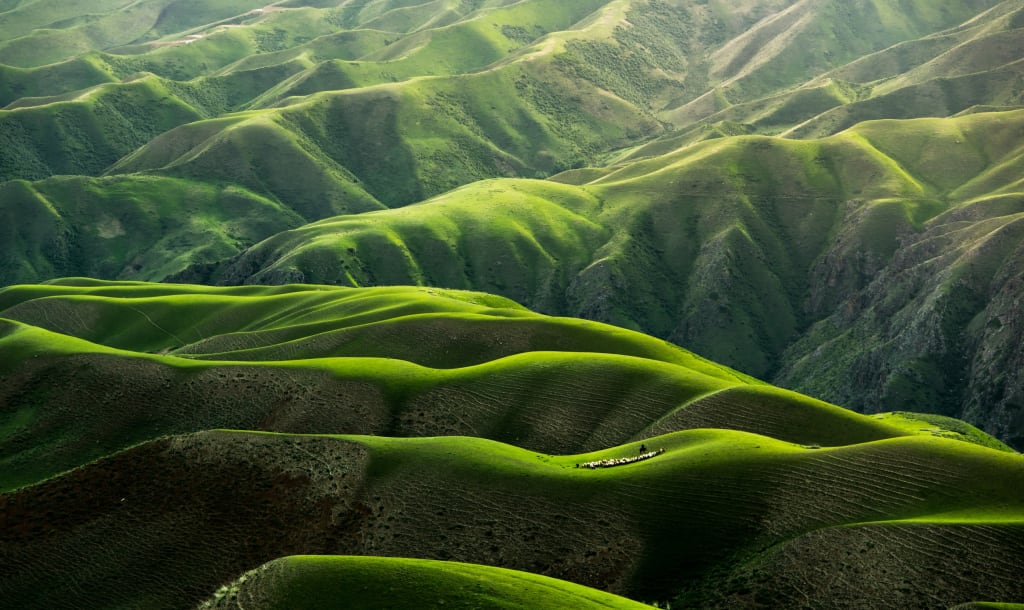
Nature is an amazing source of inspiration, beauty, and wonder. The world around us is full of incredible natural features, from stunning waterfalls and towering mountains to vast oceans and lush forests. These natural wonders are not only visually stunning but also provide essential resources and services to the planet.
Nature is a complex and interconnected web of life, where every organism plays a critical role in the ecosystem. Plants, animals, and microorganisms are all essential components of the natural world. They interact with each other and the environment, creating a delicate balance that ensures the survival of all species.
Forests, for example, are home to an incredible array of plant and animal species, many of which are found nowhere else on earth. They also play a critical role in regulating the planet's climate by absorbing carbon dioxide and producing oxygen. Unfortunately, deforestation, driven by human activities such as logging and agriculture, is rapidly destroying these vital ecosystems.
Similarly, oceans are teeming with life, from the tiniest plankton to the largest whales. They are also a vital source of food for millions of people around the world. However, overfishing, pollution, and climate change are threatening the health of these critical ecosystems.
The beauty and diversity of nature have inspired artists, writers, and poets for centuries. Many of the world's most famous paintings, poems, and novels have been inspired by nature. John Keats' "Ode to a Nightingale" celebrates the beauty of the natural world, while William Wordsworth's "Lines Written in Early Spring" reflects on the interdependence of all living things.
Nature also has many benefits for our mental and physical well-being. Studies have shown that spending time in nature can reduce stress, improve mood, and increase creativity. It can also lower blood pressure and improve overall physical health.
Despite the many benefits of nature, it is facing numerous challenges in the modern world. Climate change, pollution, habitat destruction, and the spread of invasive species are all major threats to the natural world. As humans continue to consume resources at an unsustainable rate, we risk destabilizing the delicate balance of the ecosystem and causing irreparable harm to the planet.
However, there are many things we can do to help protect and preserve nature. One of the most important steps is to reduce our carbon footprint by using energy-efficient appliances, driving less, and using renewable energy sources. We can also support conservation efforts by donating to organizations that protect endangered species and their habitats.
In addition, we can take small steps in our daily lives to reduce our impact on the environment. This can include things like recycling, reducing plastic waste, and eating a plant-based diet. We can also make an effort to support local farmers and producers who use sustainable farming practices.
Perhaps the most important thing we can do to protect nature is to simply appreciate it. By taking time to connect with the natural world, we can gain a deeper understanding of the interconnectedness of all life on earth. Whether it's taking a hike in the mountains, strolling through a local park, or simply watching the sunset, nature has the power to inspire, soothe, and rejuvenate us.
In conclusion, nature is a precious and essential part of our world. It provides us with vital resources and services, inspires us with its beauty and complexity, and is a critical source of mental and physical well-being. However, it is also facing numerous challenges, and it is up to all of us to take action to protect and preserve it for future generations. By appreciating and caring for nature, we can ensure a healthy and vibrant planet for years to come.
About the Creator
Keep reading
More stories from writers in Earth and other communities.
Disappeared Bodies, Mass Burials and ‘30,000 Dead’
For years, reports emerging from Iran have painted a grim and often confusing picture of death tolls tied to political unrest, state violence, pandemics, and human rights abuses. Allegations of disappeared bodies, mass burials, and claims of “30,000 dead” have circulated widely among activists, exiled communities, and international media. Yet, inside Iran, official figures often tell a very different story.
By Aarif Lashari6 days ago in Earth
Tributes Pour In for Beloved Actress Catherine O’Hara
Tributes are pouring in from fans, fellow actors, and filmmakers celebrating the career and influence of Catherine O’Hara, one of the most beloved figures in film and television comedy. Known for her unforgettable roles, sharp wit, and emotional range, O’Hara has built a legacy that spans decades and generations of audiences.
By Aarif Lashari2 days ago in Earth


Comments
There are no comments for this story
Be the first to respond and start the conversation.