
Natural Beauty and the Impact of Deforestation
A brief overview of nature's role in our lives and the importance of preserving it.

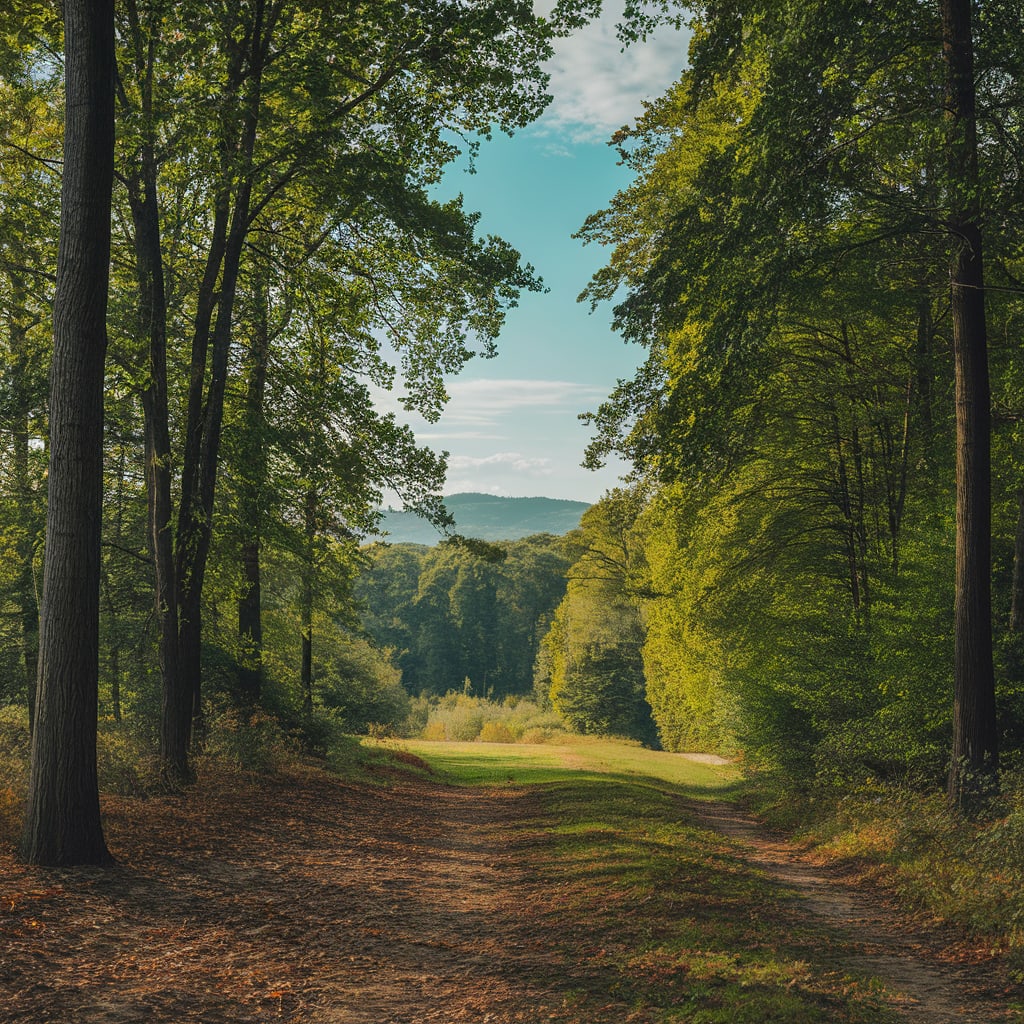
Nature has long been a source of inspiration, peace, and life. From the lush green rainforests of the Amazon to the serene mountain landscapes of the Himalayas, natural beauty plays an essential role in maintaining the physical and emotional well-being of the planet and its inhabitants. However, in recent decades, the growing threat of deforestation has begun to chip away at this beauty, leading not only to environmental degradation but also to the loss of irreplaceable ecosystems and the aesthetic richness they provide. Deforestation is not merely the removal of trees—it is the cutting away of nature’s soul, and with it, the very elements that make our world vibrant and alive.
Forests cover about 31% of the Earth's land surface and are home to over 80% of terrestrial species. They regulate the climate, purify the air, conserve soil, and provide shelter to countless forms of life. Beyond their ecological role, forests are a symbol of natural beauty—green canopies swaying in the wind, rivers snaking through thick vegetation, the music of birdsong echoing in the distance. All these create a sense of wonder and connection to the natural world. Yet, this beauty is under attack. Every year, millions of hectares of forest are cleared for agriculture, urbanization, mining, and logging. The result is not just environmental imbalance, but a visible scar on the face of the Earth.
One of the most profound consequences of deforestation is the loss of biodiversity. When forests are cleared, the animals, birds, and insects that depend on them for survival lose their habitats. This leads to the extinction of species, many of which may never even be discovered by science. Each species plays a specific role in its ecosystem; when one disappears, the entire system begins to collapse. From a visual standpoint, a deforested land looks barren, dry, and lifeless—starkly contrasting the rich, vibrant colors of a thriving forest. The loss of such landscapes translates to the fading of Earth’s natural palette.
In addition to the ecological damage, deforestation significantly contributes to climate change. Trees absorb carbon dioxide—a major greenhouse gas—and release oxygen. When they are cut down, not only is this carbon-absorbing function lost, but the carbon stored in trees is released back into the atmosphere. Rising temperatures, erratic weather patterns, and natural disasters follow, affecting both humans and animals. The natural beauty of our planet is intertwined with a stable climate. As the climate becomes more unpredictable, once-flourishing landscapes begin to deteriorate. Rivers dry up, grasslands turn brown, and snow-covered peaks melt away. What remains is a wounded world, struggling to maintain its balance.
Culturally and emotionally, forests hold deep meaning for indigenous communities and people across the globe. They are not only sources of food and medicine but also of spiritual and cultural identity. Stories, myths, and traditions are passed down through generations with forests as their setting. When these forests are destroyed, it is not just a piece of land that is lost, but a piece of human heritage and identity. The emotional and aesthetic connection to nature is powerful—it nourishes creativity, reduces stress, and fosters empathy. As deforestation increases, this connection begins to fade, leaving behind a more disconnected and indifferent society.
However, all is not lost. Around the world, individuals, communities, and governments are working to reverse the damage. Reforestation and afforestation programs aim to restore lost greenery. Conservation efforts focus on protecting endangered species and preserving the remaining patches of forest. Eco-tourism promotes the appreciation of nature while contributing to its protection. Education and awareness campaigns are helping people understand the value of forests, not just as resources, but as essential elements of Earth’s natural beauty.
In conclusion, the cutting down of forests is not merely a logistical or economic decision—it is a direct assault on the planet's beauty, health, and future
About the Creator
Keep reading
More stories from Shams Urahman and writers in Earth and other communities.
The Lion and the Silent Sheep
In a wide, sun-drenched valley surrounded by thick woods and misty hills, ruled a lion named Azaan. He was known far and wide—not just for his strength, but for his roar, which echoed across the land like thunder from the skies. Every creature—big or small—bowed or fled at the sound of it.
By Shams Urahman11 months ago in 01


Comments
There are no comments for this story
Be the first to respond and start the conversation.