
NASA Moves Artemis 2 Launch to March After Hydrogen Leak During Testing
Space Agency Adjusts Timeline to Address Technical Challenges on Historic Mission

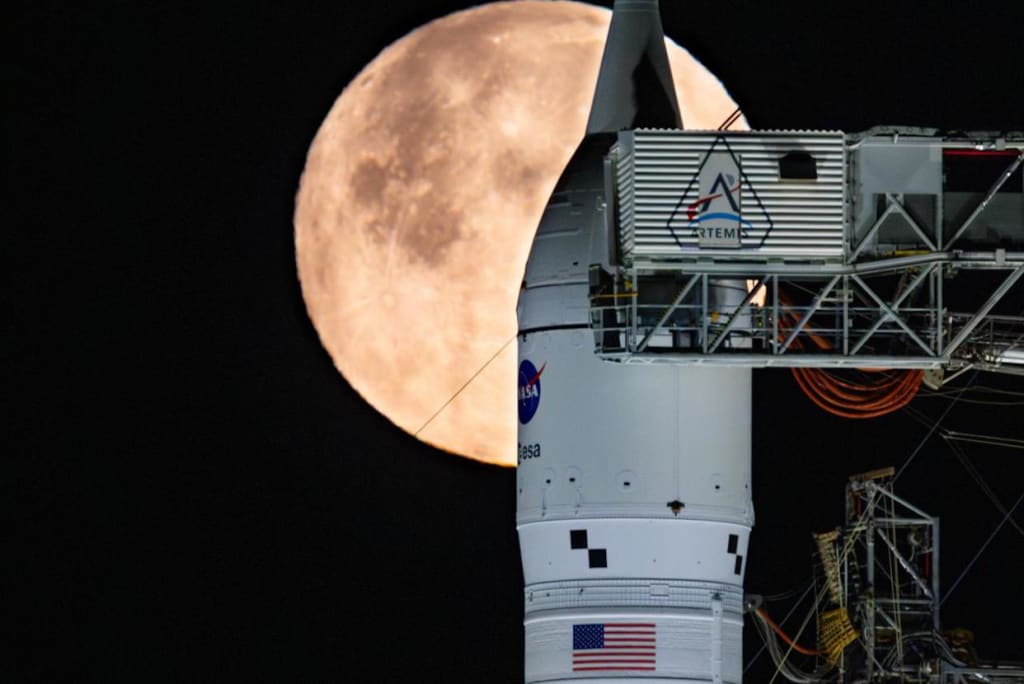
NASA has announced that the highly anticipated Artemis 2 mission, initially scheduled for an earlier launch, will now take place in March following the discovery of a hydrogen leak during pre-launch testing. The delay underscores the complexity of human spaceflight and NASA’s commitment to safety and precision before sending astronauts around the Moon.
Artemis 2 is the second mission in NASA’s ambitious Artemis program, which aims to return humans to the lunar surface and eventually establish a sustainable presence beyond Earth.
What Happened During Testing
During routine pre-launch procedures, engineers detected a leak in the liquid hydrogen system of the Space Launch System (SLS) rocket. Hydrogen leaks are considered particularly sensitive due to:
Flammability and volatility
Potential damage to fuel lines and launch infrastructure
Safety risks for the crew and mission hardware
NASA immediately halted testing to assess the situation, repair the leak, and ensure that all systems meet strict operational safety standards. Such delays, while frustrating, are common in human-rated space missions, where safety is paramount.
About Artemis 2
Artemis 2 is set to be a historic crewed mission, marking the first time humans will travel beyond low Earth orbit since the Apollo missions. Key details include:
Crewed spacecraft: Orion capsule carrying astronauts
Mission objective: Lunar flyby and testing deep space operations
Duration: Approximately 10 days
Significance: Paving the way for Artemis 3, which will land astronauts on the Moon
The mission will test life-support systems, navigation, and radiation shielding, ensuring readiness for future lunar exploration.
Why NASA Delayed the Launch
The decision to move the launch to March was driven by multiple factors:
1. Safety First
Hydrogen is extremely flammable, and any unresolved leak could jeopardize the entire mission. NASA emphasized that crew safety is the top priority.
2. Technical Readiness
The SLS rocket and Orion capsule undergo rigorous systems checks, including propulsion, avionics, and life-support tests. Delays allow engineers to verify every system functions flawlessly.
3. Coordination with Ground Operations
Launch schedules depend on weather, ground support, and tracking stations. Additional testing ensures the launch window aligns with optimal lunar trajectory and orbital conditions.
Impact on the Artemis Program Timeline
While the Artemis 2 delay is minor, it affects the broader timeline of NASA’s lunar ambitions:
Artemis 3, the crewed lunar landing, remains on track but will benefit from additional data collected during Artemis 2.
Scientific experiments and lunar logistics can be adjusted based on Artemis 2 performance.
The delay allows engineers to refine safety protocols for future missions.
Overall, the March launch ensures that NASA maintains a high standard of mission readiness without compromising schedules for subsequent missions.
Hydrogen Leaks in Space Missions: Why They Matter
Liquid hydrogen is a common rocket fuel but requires extreme care:
It is colorless and odorless, making leaks hard to detect.
It can ignite instantly in the presence of oxygen.
Even minor leaks can cause mission delays and costly repairs.
NASA has faced similar issues in previous programs, and meticulous testing is the reason Apollo and Space Shuttle missions were successful.
Looking Ahead: What to Expect from Artemis 2
Once launched, Artemis 2 will:
Circle the Moon without landing
Test critical spacecraft systems under deep-space conditions
Provide valuable data for future lunar landings and Mars missions
The crew is expected to engage in scientific observations, navigation tests, and system evaluations that will inform NASA’s long-term human space exploration strategy.
FAQs
Why was the Artemis 2 launch delayed?
A hydrogen leak was detected during testing, prompting NASA to postpone the mission to ensure safety and technical readiness.
When will Artemis 2 launch?
NASA has rescheduled the launch for March.
Is the mission crewed?
Yes, Artemis 2 will carry astronauts on a lunar flyby, marking a historic step in human spaceflight beyond low Earth orbit.
Conclusion
The delay of Artemis 2 highlights the complexity and caution required in human space exploration. While waiting for the hydrogen system to be fully secured may be disappointing for space fans, NASA stresses that the mission’s safety and success cannot be compromised.
With a March launch now planned, Artemis 2 promises to be a milestone in lunar exploration, testing critical systems for future missions and moving humanity one step closer to returning to the Moon.
About the Creator
Asad Ali
I'm Asad Ali, a passionate blogger with 3 years of experience creating engaging and informative content across various niches. I specialize in crafting SEO-friendly articles that drive traffic and deliver value to readers.
Cabin Fever Because of Snow, Sleet, and Freezing Rain That Turned to Icy Roads
What Is Cabin Fever? The short answer is that cabin fever is restlessness from being in a confined area. Cabin fever is the distressing irritability or restlessness experienced when a person or group is stuck at an isolated location or in confined quarters for an extended time. Research shows that prolonged cold, gray skies, and being stuck indoors can trigger mood shifts similar to “winter blues.”
By Margaret Minnicks3 days ago in Humans




Comments
There are no comments for this story
Be the first to respond and start the conversation.