
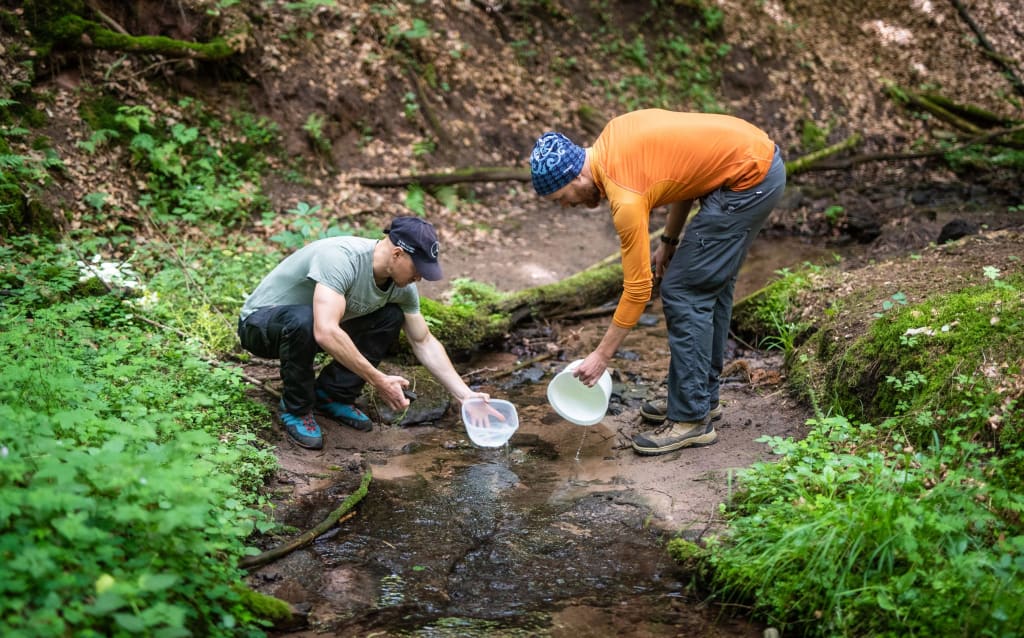
Navigating the perils of survival situations can be a tricky business, and there's a good chance that some of your instincts might lead you astray. Imagine being lost in the Amazon Rainforest or stranded in the Sahara Desert without supplies. You might have some preconceived ideas about how to take care of yourself, but many common survival myths could do more harm than good, potentially leaving you as a pile of bones in a ditch somewhere.
Let's debunk some of these myths, starting with the issue of frostbite in cold climates. Contrary to popular belief, rubbing frostbitten skin together can worsen the condition, causing more tissue damage. Open flames are also a no-go, as they can burn sensitive frostbitten skin. The ideal approach involves gently submerging affected areas in warm water and drinking warm liquids. Shelter is crucial to prevent refreezing, ensuring a safer recovery.
Now, picture yourself in the scorching desert, desperately seeking water. Contrary to what old Western movies might suggest, drinking fluids from a cactus is a terrible idea. Most cacti contain noxious fluids that induce vomiting, diarrhea, and stomach pain. However, the prickly pear cactus provides a safe alternative if you remove the spines. Choosing the right survival option can make all the difference in a harsh environment.
Bees and wasps can be relentless when disturbed, and the suggestion to jump into water to escape them is another misguided myth. These stinging insects won't be deterred by a dip; they'll patiently wait for you to resurface. Instead, seek shelter on dry land to escape their aggression, or better yet, avoid provoking them in the first place.
Fire is often glorified in survival scenarios, but prioritizing shelter over building a fire makes more sense. Fires can be extinguished by rain or strong winds, and maintaining them requires precious energy. A simple bed off the ground and a makeshift roof should be priorities for a safe and warm night's sleep in the wilderness.
Quicksand, often portrayed dramatically in movies, requires a different approach than what pop culture suggests. Contrary to the common belief of staying still, the correct strategy involves making slow back-and-forth movements to loosen the sand's grip. This method, though time-consuming, increases the chances of escaping unscathed.
In the realm of foraging for food, it's essential to dispel the myth that anything animals eat is safe for humans. The universal edibility test, involving a series of steps to check for adverse reactions, is a more reliable method for determining if a plant is safe to eat. Mimicking animal diets can lead to lethal consequences.
Surviving without water is a critical challenge, but drinking melted snow might not be the solution. The body expends considerable energy to heat and melt snow, potentially exacerbating dehydration. Filtering water before boiling is crucial, as boiling alone might not eliminate dangerous chemicals or sediments.
The belief that following birds in flight can lead you to water is another misguided notion. Birds fly for various reasons, and their movement doesn't necessarily indicate the presence of water. Instead, keep an eye on ground-dwelling animals, which are more likely to lead you to water sources.
Jellyfish stings are painful, and the idea of relieving the pain by urinating on the sting is a persistent myth. In reality, urine can activate the stinging cells, making the pain worse. The recommended approach is to remove any barbs and wash the affected area thoroughly with salt water.
In cold environments, wearing layers of clothing is a more effective way to stay warm than relying on alcohol for warmth. Alcohol might provide a temporary feeling of warmth, but it can contribute to faster heat loss and dehydration. Proper clothing acts as a barrier against the cold and prevents excessive heat loss.
Taking refuge in a cave during a survival situation might seem like a good idea, but starting a fire inside can be dangerous. The heat generated can cause rocks to expand, potentially leading to a cave collapse. Instead, build fires outside the cave to avoid such risks.
Injury care in the wild often involves improvisation, but pouring alcohol on wounds for disinfection is a risky move. While it can disinfect the wound, alcohol may also damage healthy cells, delaying the healing process. Applying pressure and cleaning with clean water are safer alternatives.
If faced with a snakebite, the instinct to suck out the venom is a pervasive myth. Sucking out venom is impractical and can introduce bacteria from the mouth into the wound. In reality, the best course of action is to seek medical attention promptly for proper anti-venom treatment.
As the myths surrounding survival are debunked, it becomes clear that practical, evidence-based approaches are essential. Whether navigating extreme climates or encountering wildlife, making informed decisions based on real survival knowledge is crucial. The next time you find yourself in a survival situation, remember to separate fact from fiction to increase your chances of making it out unscathed
About the Creator
Līva
World is interesting place. Scary, but worth living.
Nature is full of surprises and people are... well, people are something else.
Art is the best doctor.
Evidence Suggests a Large Hidden Planet May Exist in Our Solar System
For centuries, scientists believed the major members of our Solar System were fully known. From the rocky inner planets to the gas giants and icy bodies beyond, astronomers thought they had mapped most of the significant objects orbiting the Sun. However, new research by American scientists suggests that a large, hidden planet may still be lurking in the distant reaches of our Solar System.
By Irshad Abbasi 4 days ago in Earth



Comments
There are no comments for this story
Be the first to respond and start the conversation.