

I. Introduction
The solar system is a collection of celestial bodies that orbit around a central star, the Sun. These bodies include planets, dwarf planets, moons, asteroids, comets, and meteoroids. The solar system is located in the Milky Way galaxy and is estimated to be around 4.6 billion years old.
II. The Sun
The sun is the central and most massive object in the solar system. It is a medium-sized star and is classified as a G-type main-sequence star. The sun is primarily composed of hydrogen and helium and has a surface temperature of around 5,500 degrees Celsius. It is the source of light and heat for the solar system and its gravity is responsible for keeping the planets in their orbits.
III. The Planets
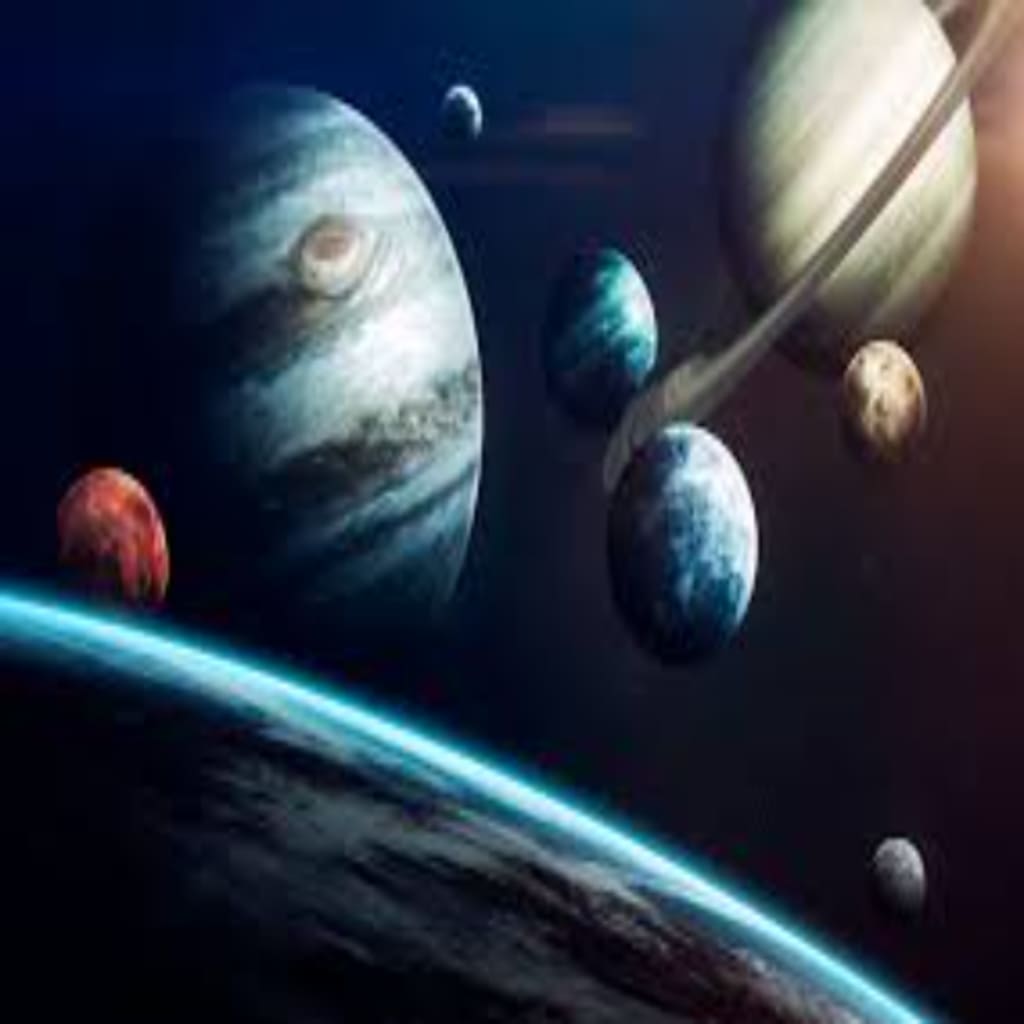
The solar system is home to eight known planets, which are divided into two groups: inner planets and outer planets.
Inner planets:
Mercury: The smallest and closest planet to the sun. It has a rocky surface and a thin atmosphere.
Venus: The second planet from the sun. It has a thick atmosphere that causes a greenhouse effect, making it the hottest planet in the solar system.
Earth: The third planet from the sun and the only known planet to have liquid water on its surface. It has a diverse range of landscapes and a relatively stable climate.
Mars: The fourth planet from the sun. It has a rocky surface with mountains, valleys, and volcanoes. It also has a thin atmosphere and polar ice caps.
Outer planets:
Jupiter: The largest planet in the solar system. It has a massive atmosphere with raging storms, including the Great Red Spot.
Saturn: The second-largest planet in the solar system. It is famous for its rings, which are made up of ice and rock particles.
Uranus: The seventh planet from the sun. It has a unique rotation axis that causes it to rotate on its side.
Neptune: The eighth planet from the sun. It has a similar composition to Uranus and has the strongest winds in the solar system.
In terms of size, Jupiter is the largest planet in the solar system and Mercury is the smallest. In terms of composition, the inner planets are primarily composed of rock and metal, while the outer planets are primarily composed of gas and ice. In terms of atmosphere, Venus has the thickest atmosphere, while Mercury has the thinnest.
IV. The Dwarf Planets
The solar system also includes several dwarf planets, which are smaller than the eight recognized planets but still large enough to be rounded by their own gravity. These include:
Ceres: The largest asteroid in the asteroid belt and the first dwarf planet to be discovered.
Pluto: The first dwarf planet to be discovered in the Kuiper Belt.
Haumea: A dwarf planet located in the Kuiper Belt.
Makemake: A dwarf planet located in the Kuiper Belt.
Eris: A dwarf planet located in the scattered disc beyond the Kuiper Belt.
Compared to the larger planets, dwarf planets are smaller, have less massive atmospheres, and have a more irregular shape.
V. The Moon and Other Satellites
The solar system also includes many moons and other satellites that orbit around the planets. The most well-known is Earth's Moon, which is the fifth-largest moon in the solar system and the only one known to have a stable atmosphere. Other notable moons include Jupiter's four largest moons (Io, Europa, Ganymede, and Callisto), which are known as the Galilean moons, and Saturn's
The solar system is home to eight known planets: Mercury, Venus, Earth, Mars, Jupiter, Saturn, Uranus, and Neptune. These planets vary in size, composition, and atmosphere, and each has its own unique characteristics and features.
Mercury: The smallest and closest planet to the sun, with a radius of about 2440 km. It has a rocky surface and a thin atmosphere, composed mostly of helium and hydrogen. Mercury has a very weak magnetic field and a day-night temperature difference of around 700 degrees Fahrenheit. It has a heavily cratered surface and a thin exosphere.
Venus: The second planet from the sun, with a radius of about 12104 km. It has a thick atmosphere that causes a greenhouse effect, making it the hottest planet in the solar system. The atmosphere is mostly composed of carbon dioxide with clouds of sulfuric acid. Venus has a slow rotation and no magnetic field. It has a surface with volcanoes, mountains, and deformed regions.
Earth: The third planet from the sun and the only known planet to have liquid water on its surface. It has a diverse range of landscapes, including oceans, mountains, deserts, and forests. Earth has a relatively stable climate and a magnetic field that protects it from solar radiation. Earth has one natural satellite, the Moon.
Mars: The fourth planet from the sun, with a radius of about 6792 km. It has a rocky surface with mountains, valleys, and volcanoes. It also has a thin atmosphere and polar ice caps. Mars has the largest volcano in the solar system, Olympus Mons, and the longest canyon, Valles Marineris. It has two small natural satellites, Phobos and Deimos.
Jupiter: The largest planet in the solar system, with a radius of about 139,822 km. It has a massive atmosphere with raging storms, including the Great Red Spot. Jupiter has a strong magnetic field and 79 known natural satellites. It has the largest number of moons of any planet in the solar system. Jupiter's composition is mostly hydrogen and helium.
Saturn: The second-largest planet in the solar system, with a radius of about 116,460 km. It is famous for its rings, which are made up of ice and rock particles. Saturn has a thick atmosphere composed mostly of hydrogen and helium. It has a strong magnetic field and 82 known natural satellites.
Uranus: The seventh planet from the sun, with a radius of about 50,724 km. It has a unique rotation axis that causes it to rotate on its side. Uranus has a mostly methane-covered atmosphere and a weak magnetic field. It has 27 known natural satellites.
Neptune: The eighth planet from the sun, with a radius of about 49,244 km. It has a similar composition to Uranus and has the strongest winds in the solar system. Neptune has a mostly methane-covered atmosphere and a weak magnetic field. It has 14 known natural satellites.
All planets orbit the sun in an elliptical path and rotate on an axis. Each planet has unique surface features and unique conditions. Some planets have a thick atmosphere, some have a magnetic field, some have natural satellite and some has not. Some planets have a stable climate, some have extreme conditions. The study of these planets is important to understand the formation and evolution of the solar system and possibly to find other planets with similar conditions that could support life.
About the Creator
Keep reading
More stories from Giridharan and writers in Earth and other communities.
What is Green Chemistry?
I. Introduction A. Definition of Green Chemistry: Green Chemistry is a branch of chemistry that aims to design and develop chemical products and processes that minimize the use and generation of hazardous substances. It focuses on the use of environmentally friendly and sustainable methods to reduce the negative impact of chemical production on human health and the environment.
By Giridharan3 years ago in Earth


Comments
There are no comments for this story
Be the first to respond and start the conversation.