
Mountaineering in Nepal: The Ultimate Adventure
An Introduction to Mountaineering in Nepal
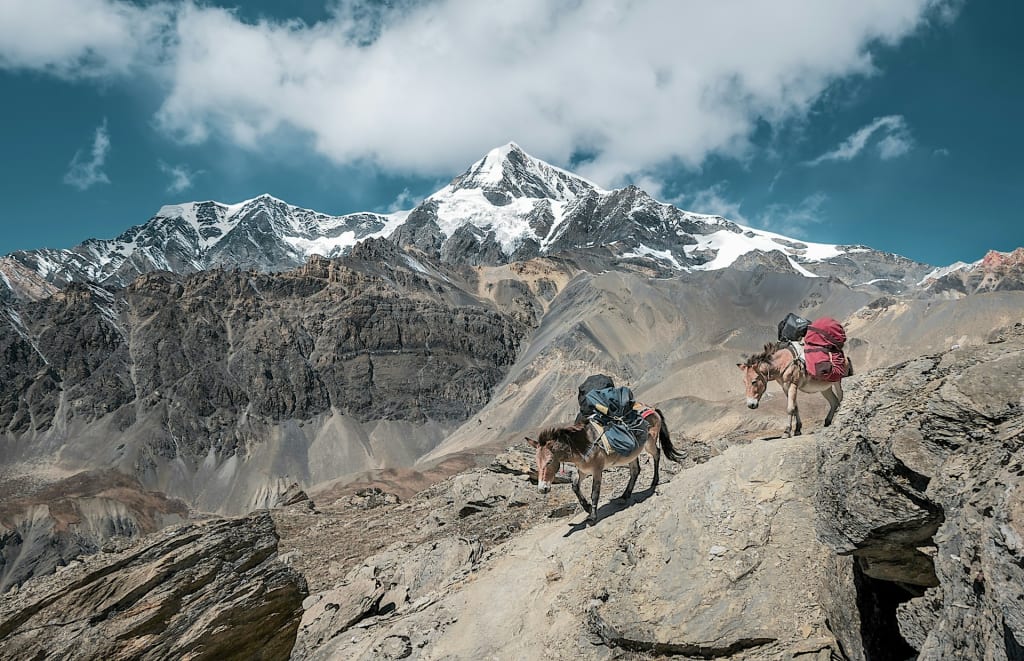
Nepal is a mountaineer's paradise, home to some of the most iconic peaks in the world, including the legendary Mount Everest. With its vast and varied landscapes, Nepal offers a diverse range of climbing experiences, from challenging summits to stunning trekking routes. Whether you're a seasoned climber or a beginner looking for an adventure, Nepal provides a unique opportunity to explore the majestic Himalayas.
The Famous Peaks of Nepal
When most people think of mountaineering in Nepal, Mount Everest is the first peak that comes to mind. At 8,848 meters, it's the highest point on Earth and a dream summit for many climbers. Climbing Everest is no easy feat; it requires technical expertise, physical endurance, and careful acclimatization. Even so, it remains one of the most sought-after climbs in the world, offering a once-in-a-lifetime experience that few will ever forget.
However, there are many other awe-inspiring mountains in Nepal that offer challenging climbs and breathtaking views. The Annapurna Massif is another famous region, home to Annapurna I, which is the 10th highest peak in the world at 8,091 meters. Annapurna is renowned for its difficult conditions and high fatality rate, making it a peak for the more experienced mountaineer. For a somewhat less technical ascent, peaks like Island Peak (6,189 meters) and Baruntse (7,129 meters) provide a rewarding climbing experience without the extreme technical demands of Everest or Annapurna.
Another prominent peak is Machapuchare, also known as Fish Tail, because of its distinct twin summits resembling a fish’s tail. While it is one of the most photographed mountains in the world, it remains unclimbed due to its sacred significance to the local people.
For those seeking a challenge that’s not as extreme as Everest, but still offers thrilling climbs with stunning views, peaks such as Mera Peak and Lobuche Peak provide exceptional opportunities. Mera Peak, at 6,476 meters, is one of the highest trekking peaks in Nepal and offers magnificent views of Everest and other surrounding mountains.
Trekking and Climbing in Harmony
What makes mountaineering in Nepal truly unique is the combination of trekking and climbing. Most of the major climbing expeditions begin with a trek through villages, dense forests, and alpine meadows, giving climbers a chance to acclimatize to the high altitudes before attempting the summit. These trekking routes are not only scenic but also deeply cultural, providing a glimpse into the way of life of the local communities.
The Everest Base Camp trek is perhaps the most famous trekking route in Nepal. It takes climbers through the heart of the Khumbu region, offering mesmerizing views of Everest, Lhotse, and other towering peaks. Along the way, trekkers pass through Sherpa villages, where they can experience the hospitality of the local people, sample delicious Tibetan-influenced cuisine, and visit Buddhist monasteries. This cultural immersion helps climbers adjust to the altitude and the demands of the upcoming summit attempts.
The Annapurna Circuit, a classic trekking route, also offers remarkable views of some of Nepal’s most stunning mountains, including Annapurna I, Machapuchare, and Dhaulagiri. The route allows trekkers to pass through subtropical forests, alpine meadows, and high mountain deserts, creating a diverse and beautiful landscape that climbers will cherish.
The Climbing Experience: Challenges and Rewards
Climbing in Nepal is not without its challenges. High altitudes, unpredictable weather, and technical terrain can test even the most experienced mountaineers. The Himalayan weather is notoriously fickle, with storms and sudden temperature drops being common, especially at higher elevations. Additionally, many of the peaks require technical climbing skills, including glacier travel, ice climbing, and crevasse navigation, which adds an extra layer of difficulty.
However, the rewards are equally great. Standing at the summit of any of Nepal's towering peaks provides a sense of accomplishment and awe that few other places in the world can match. The panoramic views of snow-covered peaks stretching as far as the eye can see, with valleys and glaciers below, are a sight to behold. The feeling of reaching the summit is a moment of pure triumph, and for many climbers, it's the culmination of years of training and preparation.
Along the way, climbers will also experience the camaraderie that comes from sharing the journey with fellow trekkers and mountaineers. The mutual support and encouragement of others in the expedition can make the challenging days more manageable, and the shared victory at the summit even sweeter.
Conclusion: A Journey Like No Other
Mountaineering in Nepal offers an experience like no other. Whether you’re climbing to the top of Mount Everest, taking on Annapurna’s difficult terrain, or scaling smaller peaks like Mera or Island Peak, the Himalayas provide an unforgettable adventure. Nepal’s diverse mountain landscapes, rich cultural heritage, and the welcoming nature of its people make it a top destination for climbers and trekkers alike.
The challenges of high-altitude climbing are significant, but the rewards are far greater. From the awe-inspiring views to the sense of accomplishment that comes with reaching the summit, mountaineering in Nepal will leave you with memories that will last a lifetime. If you're looking for an adventure that combines both physical endurance and cultural richness, Nepal is the place to be.
About the Creator
Keep reading
More stories from Oliver Backman and writers in Earth and other communities.
Langtang Valley Trek: A Serene Himalayan Escape
The Langtang Valley Trek is a delightful journey into one of Nepal’s most beautiful yet less crowded trekking regions. Known as the "Valley of Glaciers," this trek offers stunning landscapes, rich Tamang culture, and breathtaking views of snow-capped peaks. It’s an ideal trek for those seeking moderate challenges and authentic experiences within a short timeframe.
By Oliver Backmanabout a year ago in Earth
No, North Carolina Wild Horses Were Not Wrapped in Insulation
You might have seen some shocking images circulating online: wild horses on a North Carolina beach supposedly wrapped in pink insulation by volunteers trying to “help” them survive the winter. The photos went viral, sparking outrage, concern, and a flurry of social media shares.
By Sajida Sikandar3 days ago in Earth
Storm Leonardo Triggers Mass Evacuations Across Spain and Portugal
Storm Leonardo has unleashed severe weather across parts of Spain and Portugal, forcing authorities to evacuate more than 11,000 residents as flooding, powerful winds, and widespread disruption threaten public safety. Emergency services in both countries remain on high alert, warning that risks persist even as conditions show signs of gradual improvement.
By Adil Ali Khan4 days ago in Earth



Comments
There are no comments for this story
Be the first to respond and start the conversation.