
Mount Everest: Conquering the Roof of the World
Journey to the Summit of Dreams

Introduction:
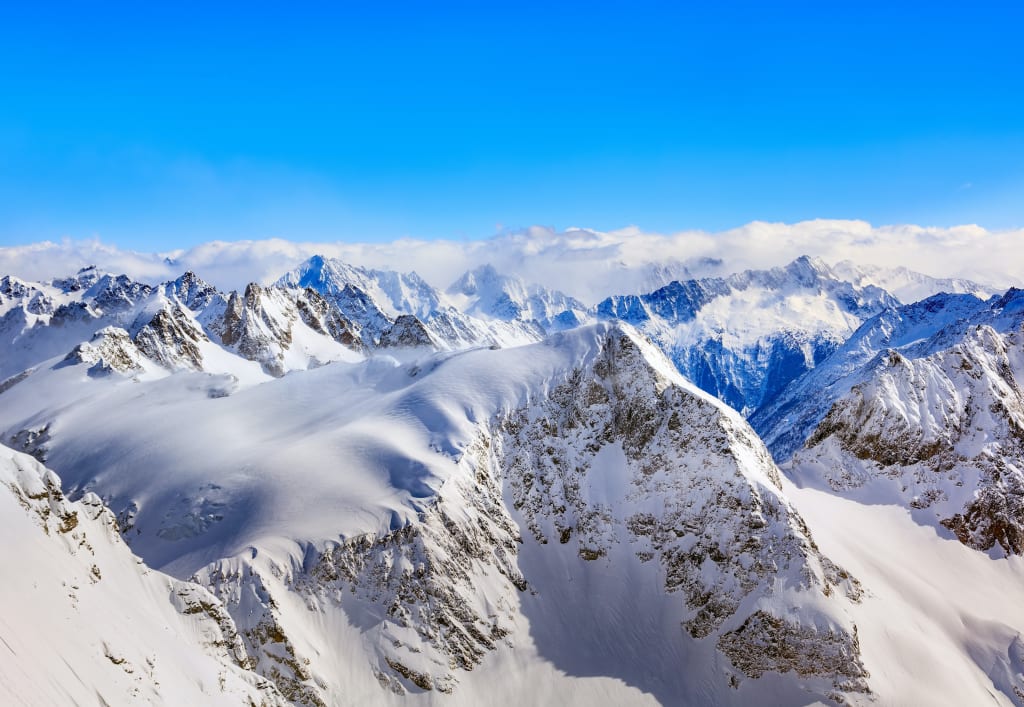
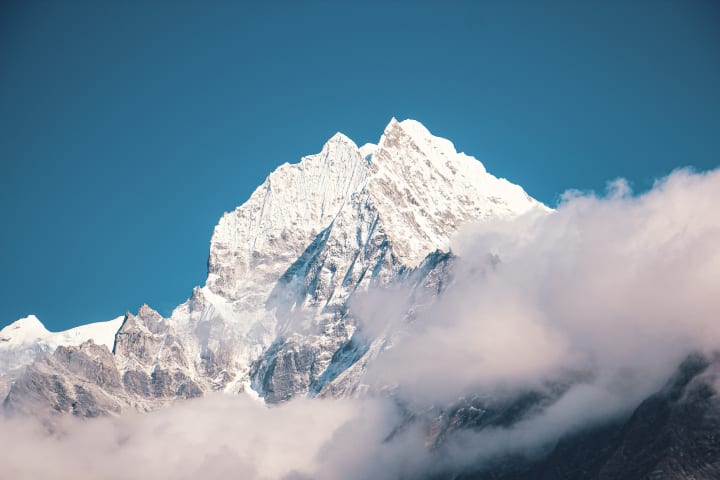
Mount Everest, standing tall at 8,848.86 meters (29,031.7 feet), is not just a mountain; it is a symbol of human achievement, adventure, and the pursuit of the extraordinary. Located in the Mahalangur mountain range in the Himalayas, on the border between Nepal and Tibet (China), Everest has captivated the imagination of mountaineers and explorers for centuries. In this essay, we will delve into the history, significance, challenges, and triumphs associated with climbing Mount Everest.
Historical Overview:
1.1 Discovery and Naming:
The first recorded sighting of Mount Everest was by the British surveyors in the 19th century. Initially known as Peak XV, it was later named in honor of Sir George Everest, the British Surveyor General of India.
1.2 Early Expeditions:
Several early expeditions attempted to conquer Everest, but it wasn't until 1953 that Sir Edmund Hillary of New Zealand and Tenzing Norgay, a Sherpa of Nepal, successfully reached the summit. Their achievement marked a historic milestone in mountaineering.
Geographical and Environmental Features:
2.1 Location and Surroundings:
Mount Everest is situated in the breathtaking landscape of the Himalayas, with Nepal to the south and Tibet (China) to the north. It is part of Sagarmatha National Park, a UNESCO World Heritage site, and offers stunning vistas of other prominent peaks like Lhotse, Nuptse, and Makalu.
2.2 Climate and Weather Conditions:
The extreme altitude and location of Mount Everest give rise to severe weather conditions. Harsh winds, frigid temperatures, and sudden storms pose significant challenges to climbers, especially in the notorious "death zone" above 8,000 meters (26,000 feet).
Routes and Challenges:
3.1 Popular Climbing Routes:
There are several routes to the summit of Everest, but the two main routes are the Southeast Ridge from Nepal and the Northeast Ridge from Tibet. Each route presents its own set of obstacles, including technical sections, treacherous ice falls, and challenging climbs.
3.2 Altitude and Acclimatization:
One of the most significant challenges climbers face on Everest is the altitude. As they ascend, the thinning air creates a lack of oxygen, leading to altitude sickness and other life-threatening conditions. Proper acclimatization is crucial to give the body time to adapt to the harsh conditions.
Everest and Sherpa Culture:
4.1 Sherpas: The Unsung Heroes:
Sherpas, an ethnic group native to the Everest region, play an integral role in mountaineering expeditions. Renowned for their strength, endurance, and deep understanding of the mountains, Sherpas serve as guides, porters, and crucial support for climbers.
4.2 Sherpa Culture and Traditions:
The Sherpa culture is rich in traditions, folklore, and spiritual beliefs. Their close connection to the mountains and their reverence for the natural environment shape their way of life and add a unique dimension to the Everest climbing experience.
Safety and Ethical Considerations:
5.1 Safety Measures and Risk Management:
Climbing Everest comes with inherent risks, and safety measures are of paramount importance. Expeditions must prioritize proper training, equipment, and emergency protocols to minimize accidents and ensure the well-being of climbers.
5.2 Environmental Concerns and Sustainability:
The growing popularity of Everest has raised concerns about its environmental impact. From waste management to the preservation of fragile ecosystems, sustainable climbing practices and conservation efforts are essential to protect this natural treasure.
Human Achievements and Tragedies:
6.1 Record-Breaking Feats:
Over the years, climbers have set records and achieved remarkable feats on Everest. From the oldest and youngest climbers to speed records and multiple ascents, Everest has witnessed extraordinary accomplishments.
6.2 Tragedies on the Mountain:
Mount Everest has also seen its share of tragedies. Avalanches, storms, and accidents have claimed the lives of many climbers. These incidents serve as poignant reminders of the inherent dangers and risks involved in scaling this majestic peak.
Everest as a Symbol:
7.1 Inspiring the Human Spirit:
Mount Everest symbolizes the indomitable human spirit, pushing the boundaries of what is possible. It serves as a beacon of inspiration, encouraging individuals to overcome challenges and pursue their dreams with determination and perseverance.
Conclusion:
Mount Everest continues to captivate adventurers and explorers, offering an unmatched challenge and an opportunity to experience nature at its most majestic and unforgiving. Climbing Everest demands physical and mental fortitude, pushing individuals to their limits. With its rich history, awe-inspiring geography, and the triumphs and tragedies associated with it, Mount Everest remains the ultimate symbol of human exploration and the relentless pursuit of the extraordinary.
About the Creator
Anaz
Earth Related Topics
Green Earth: Nurturing Our Planet for a Sustainable Future
Reader insights
Outstanding
Excellent work. Looking forward to reading more!
Top insights
Compelling and original writing
Creative use of language & vocab
Easy to read and follow
Well-structured & engaging content
Excellent storytelling
Original narrative & well developed characters
Expert insights and opinions
Arguments were carefully researched and presented
Eye opening
Niche topic & fresh perspectives
Masterful proofreading
Zero grammar & spelling mistakes
On-point and relevant
Writing reflected the title & theme
Magnetic Magma earth
Super-Earths are rocky exoplanets more than three times the size of our planet, with far greater internal pressures and temperatures. For years, scientists assumed that if these worlds had magnetic fields, they would form the same way Earth’s does — through movement in a molten iron core. However, new laboratory experiments suggest something very different may be happening deep inside these massive planets. Under extreme pressure, certain molten rocks become electrically conductive. When these materials churn and circulate between the core and the mantle, they can generate magnetic fields on their own. This means a super-Earth might not rely solely on its core for protection. Instead, a thick, dynamic layer of magma could act as a natural magnetic shield, powered by internal heat and motion.
By USA daily update 2 days ago in Earth
“Do Not Copy This Site’s Content”: Why Originality Matters More Than Ever in the Digital Age
“Do not copy this site’s content.” It’s a warning most internet users have seen countless times, often at the bottom of webpages or buried in terms and conditions. Many scroll past it without a second thought. But in today’s digital world, that simple sentence carries far more weight than people realize.
By Muhammad Hassan6 days ago in Earth

Comments (3)
👍
Thanks for sharing
Thanks for sharing