
most dangerous natural disasters.
natural disasters.
Title: The Most Dangerous Natural Disasters: Unleashing the Wrath of Nature
Introduction (approx. 100 words):
Natural disasters have long been a powerful force that humankind has had to contend with. From devastating earthquakes to violent hurricanes, nature's fury has repeatedly demonstrated its capacity to wreak havoc on our planet. This article explores some of the most dangerous natural disasters that have caused widespread destruction, loss of life, and economic devastation throughout history. While each disaster has its unique characteristics, they all serve as stark reminders of our vulnerability and the importance of preparedness in the face of such calamities.
01. Earthquakes (approx. 150 words):

Earthquakes are one of the most unpredictable and lethal natural disasters. These sudden releases of energy in the Earth's crust can cause immense destruction, resulting in the loss of thousands of lives. Earthquakes with a magnitude of 7 or higher can cause widespread devastation, including buildings collapsing, landslides, and tsunamis. The Great Chilean Earthquake of 1960 holds the record as the most powerful earthquake ever recorded, with a magnitude of 9.5. It triggered tsunamis that propagated across the Pacific Ocean, causing devastation in Chile, Hawaii, Japan, and the Philippines.
02. Hurricanes (approx. 150 words):

Hurricanes, also known as cyclones or typhoons, are violent tropical storms characterized by strong winds and torrential rainfall. They can cause widespread damage along coastlines, resulting in flooding, storm surges, and infrastructure destructionThey are characterized by high winds, heavy rainfall, storm surges, and flooding. The strength of a hurricane is measured on the Saffir-Simpson scale, which ranges from 1 to 5. The 2005 Atlantic hurricane season witnessed the ferocity of Hurricane Katrina, which struck the Gulf Coast of the United States. With its catastrophic storm surge and subsequent levee failures in New Orleans, Katrina claimed approximately 1,200 lives and caused an estimated $125 billion in damages.
03. Tsunamis (approx. 150 words):

Tsunamis, often triggered by undersea earthquakes or volcanic eruptions, are immense ocean waves capable of inflicting massive destruction upon coastal areas. The Indian Ocean tsunami of 2004 stands as one of the deadliest natural disasters in recorded history. The earthquake off the coast of Sumatra resulted in a series of tsunamis that devastated the coastal regions of 14 countries, claiming the lives of more than 230,000 people.
04. volcanic eruptions.
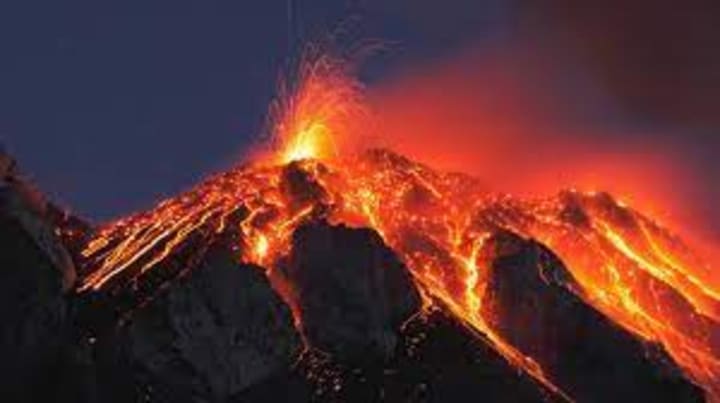
Volcanic eruptions, while not as frequent as other disasters, can be incredibly destructive. The eruption of Mount Vesuvius in 79 AD, which buried the cities of Pompeii and Herculaneum under layers of ash and lava, serves as a haunting reminder of the raw power of volcanic activity. More recently, the eruption of Mount Pinatubo in the Philippines in 1991 released an enormous amount of volcanic ash and gases into the atmosphere, causing global climate effects and resulting in the displacement of thousands of people.
Conclusion (approx. 150 words):
Natural disasters have the ability to bring entire communities to their knees, leaving devastation and despair in their wake. The Earth's dynamic and unpredictable nature means that these disasters will continue to occur, reminding us of our vulnerability as a species. However, by investing in early warning systems, improving disaster preparedness, and fostering community resilience, we can mitigate the impact of these catastrophes and save lives.
It is imperative that governments, organizations, and individuals come together to prioritize disaster management strategies, promote sustainable development, and raise awareness about the importance of preparedness. By learning from the lessons of the past and adapting to our changing environment, we can minimize the devastating consequences of natural disasters and build a more resilient future for generations to come.
About the Creator
ANEESHA RIZWAN
Iam writting article
Keep reading
More stories from ANEESHA RIZWAN and writers in Earth and other communities.
Man (22) Charged With Murder of English Tourist in Temple Bar
Arrest and Formal Charges A 22-year-old man has been charged with the murder of an English tourist following a fatal incident in Dublin’s Temple Bar area. The charge comes after an intensive Garda investigation into events that unfolded in one of Ireland’s busiest and most popular nightlife districts.
By Aarif Lasharia day ago in Earth




Comments
There are no comments for this story
Be the first to respond and start the conversation.