
Mining and mineral extraction
Mining and Mineral Extraction: A Comprehensive Overview

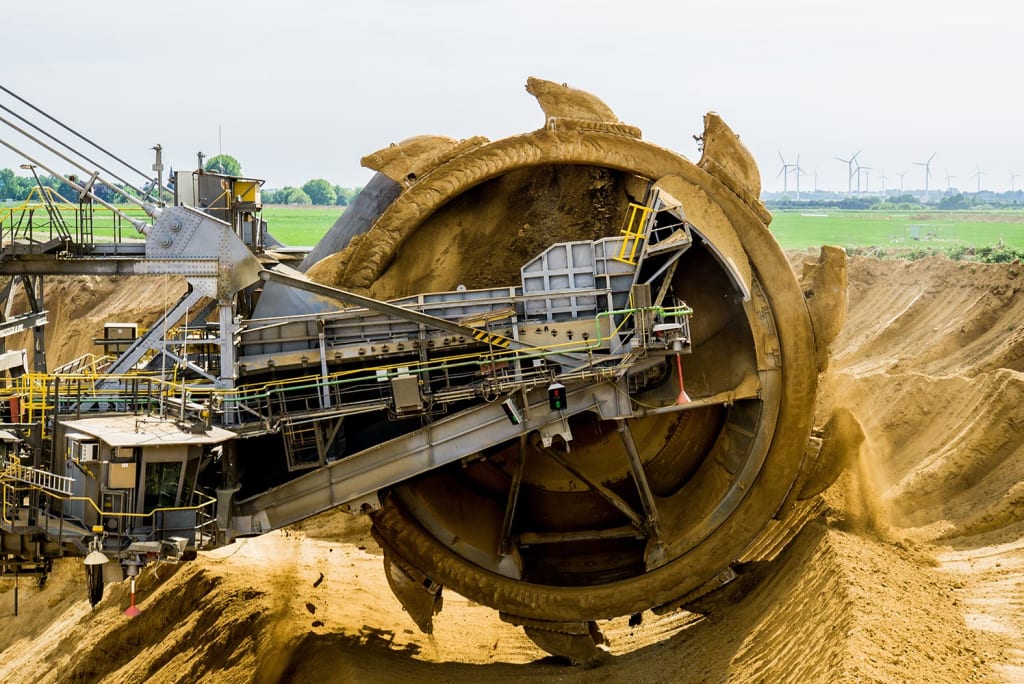
Mining and mineral extraction have played a fundamental role in human civilization for thousands of years. From the early days of simple tool-making to modern industrial applications, mining has been integral to economic development and technological advancement. This article explores the history, methods, environmental impacts, and future trends of mining and mineral extraction.
A Brief History of Mining
The origins of mining date back to prehistoric times when early humans extracted stones and minerals to craft tools and weapons. The discovery of metals such as copper, bronze, and iron led to significant societal advancements. The Ancient Egyptians, Greeks, and Romans extensively mined gold, silver, and other minerals for currency, construction, and decoration.
The Industrial Revolution in the 18th and 19th centuries marked a turning point for mining, as coal became essential for powering steam engines, railroads, and factories. Advancements in technology allowed for deeper excavation, leading to large-scale mining operations that fueled economic growth worldwide.
Types of Mining Methods
Mining techniques vary depending on the type of resource being extracted and the geological conditions. The primary methods include:
Surface Mining
Surface mining is the most common and least expensive method, used when mineral deposits are located close to the surface. Major types include:
Open-pit mining: Large pits are dug to extract minerals such as copper, iron, and gold.
Strip mining: Used primarily for coal and tar sands, where layers of soil and rock are removed in strips.
Quarrying: Extracts materials like limestone, granite, and marble for construction.
Underground Mining
When minerals are located deep underground, specialized techniques are used to extract them, including:
Room and pillar mining: Leaves behind pillars of material to support the mine structure.
Longwall mining: Removes entire sections of ore, commonly used for coal extraction.
Block caving: Allows ore to collapse under its own weight for easier extraction.
Placer Mining
This method is used for mining alluvial deposits of minerals such as gold, diamonds, and tin from riverbeds and sediment layers. It includes:
Panning: Manually washing sediments in a pan to separate valuable minerals.
Sluicing: Using water channels to trap heavy minerals.
Dredging: Large-scale extraction of minerals from riverbeds using floating machinery.
In-Situ Mining
This method involves extracting minerals without physically removing large amounts of rock. Chemicals, such as acid or alkaline solutions, are injected into underground deposits to dissolve the minerals, which are then pumped to the surface. It is commonly used for uranium and copper mining.
Economic Importance of Mining
Mining is a critical industry that provides raw materials for construction, manufacturing, and energy production. It contributes significantly to national economies, particularly in resource-rich countries are Australia, Canada, Russia, and South Africa. The mining industry supports millions of jobs worldwide and generates billions in revenue annually.
Metals such as iron, aluminum, and copper are essential for infrastructure and technology, while rare earth elements are crucial for electronics, batteries, and renewable energy solutions.
Environmental and Social Impacts of Mining
Despite its economic benefits, mining poses several environmental and social challenges:
Deforestation and Habitat Destruction: Large-scale mining operations often require clearing forests, leading to biodiversity loss.
Water Pollution: Mining can contaminate water sources with heavy metals, cyanide, and other toxic chemicals.
Air Pollution: Dust and emissions from mining activities contribute to respiratory problems and climate change.
Soil Degradation: Erosion and chemical contamination reduce soil fertility and disrupt local ecosystems.
Human Rights Issues: Many mining regions face labor exploitation, displacement of indigenous communities, and unsafe working conditions.
Modern Advances in Sustainable Mining
To mitigate the negative impacts of mining, companies and governments are investing in sustainable practices, such as:
Eco-friendly Technologies: Electric-powered machinery, automation, and AI-driven monitoring systems improve efficiency and reduce emissions.
Recycling and Circular Economy: Recovering valuable minerals from e-waste and industrial byproducts reduces reliance on new mining.
Land Rehabilitation: Reforestation, soil restoration, and water treatment projects help restore mined areas.
Strict Regulations: Governments enforce environmental and labor laws to ensure responsible mining practices.
Future Trends in Mining
The mining industry is evolving with advancements in technology and shifting global priorities. Some key trends include:
Deep-Sea Mining: Exploring the ocean floor for valuable minerals, though controversial due to environmental concerns.
Asteroid Mining: Research into extracting resources from space for future space exploration.
Green Mining Initiatives: Companies are adopting renewable energy sources and carbon-neutral policies.
Automation and AI: AI-driven data analysis and robotics improve efficiency and worker safety.
IN THE END
Mining and mineral extraction remain vital to modern society, providing the materials necessary for technological advancement and economic development. However, addressing the environmental and social impacts of mining is crucial to ensuring a sustainable future. Through innovation, regulation, and responsible practices, the industry can continue to evolve while minimizing harm to the planet and communities. The future of mining lies in balancing resource extraction with ecological and ethical responsibility.
About the Creator
Badhan Sen
Myself Badhan, I am a professional writer.I like to share some stories with my friends.
Keep reading
More stories from Badhan Sen and writers in Earth and other communities.
Earth’s Resources & Economics
Earth’s resources play a fundamental role in shaping global economies. Natural resources—such as water, minerals, forests, fossil fuels, and fertile land—are the foundation of economic activity, influencing industries, trade, and economic growth. The way societies manage these resources directly impacts sustainability, economic stability, and global relations.
By Badhan Sen12 months ago in Earth
Greenland's ice loss is being silently accelerated by airborne dust.
The warmer air isn't the only reason why Greenland's ice is melting. By feeding dark algae blooms that absorb sunlight and accelerate ice loss, tiny particles carried by the wind can subtly alter surface conditions.
By Francis Dami5 days ago in Earth
Greenland Declares State of Emergency as Scientists Link the Growing Presence of Orcas to Accelerating Ice Melt
In a landmark decision that reflects the intensifying impacts of climate change, the government of Greenland has officially declared a state of environmental emergency—a rare and solemn move that underscores the accelerating transformation of Arctic ecosystems. The catalyst for this declaration? An unusual and growing presence of orcas—also known as killer whales—in waters once locked in sea ice, a phenomenon scientists say reveals the alarming scale of ice melt in the region.
By Sadaqat Alia day ago in Earth
Should We Not Try to Get Too Political?
Here's something you often hear people say, "I try not to get too political." I understand the sentiment and I sympathize with it... while at the same exact time, I completely disagree with the notion. Whether it's referring to social media or wherever, it's kind of unavoidable. You can attempt to sidestep it, not engage, leave the less important things for actual politicians to discuss... you can want it to not take over your life, your conversations, your relationships, and that makes perfect sense.
By Stephen Kramer Avitabile4 days ago in Writers




Comments
There are no comments for this story
Be the first to respond and start the conversation.