
Mind-Blowing Facts About Wildlife Around the World
Wildlife

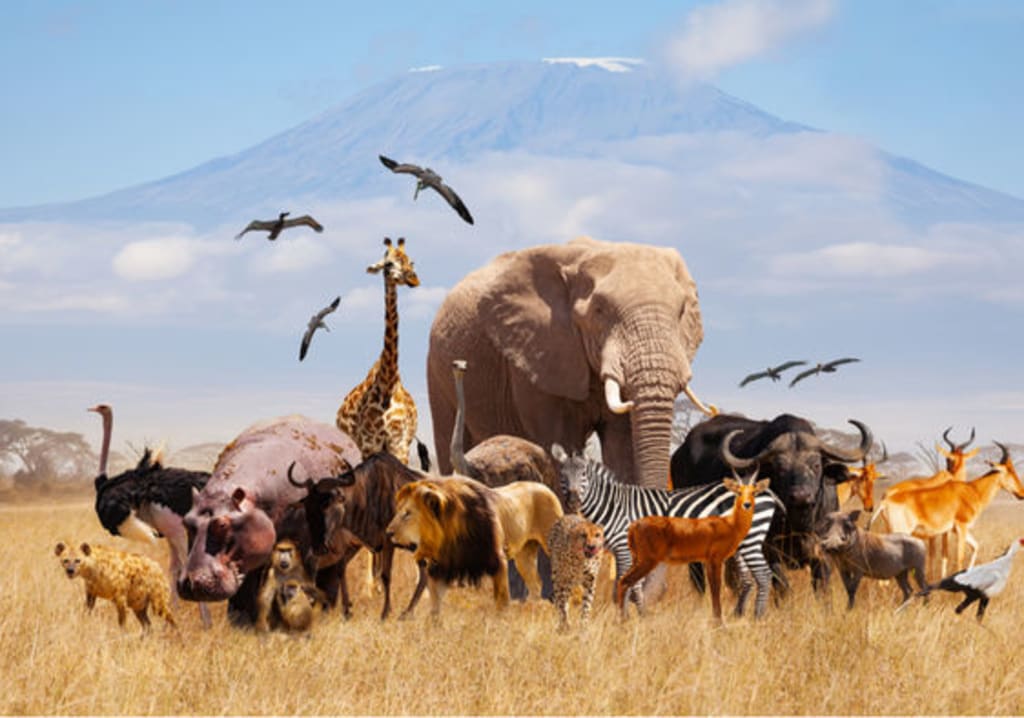
The world is full of fascinating creatures, from the deepest oceans to the highest mountains. Wildlife is incredibly diverse, with animals adapting in extraordinary ways to survive in their environments. Some creatures have developed mind-blowing abilities that seem almost unbelievable. From animals that glow in the dark to those that can survive extreme conditions, let’s explore some of the most astonishing facts about wildlife around the world.
1. The Immortal Jellyfish – A Creature That Defies Death
The Turritopsis dohrnii, also known as the immortal jellyfish, has the remarkable ability to cheat death. This tiny jellyfish, found in oceans worldwide, can revert its cells back to an earlier stage of life whenever it experiences stress or injury. Essentially, it can restart its life cycle indefinitely, making it biologically immortal. While it can still be eaten by predators, if left undisturbed, this jellyfish can live forever!
2. The Loudest Animal on Earth is a Tiny Shrimp
You might think the loudest animal in the world would be something large, like a whale or an elephant. Surprisingly, the title goes to the pistol shrimp (Alpheidae). This small marine creature creates one of the loudest sounds in nature by snapping its claw shut at an incredible speed. The resulting sound wave can reach 218 decibels, louder than a gunshot or a jet engine! This snap generates a bubble that momentarily reaches the temperature of the sun’s surface, stunning or even killing small fish.
3. A Frog That Can Survive Being Frozen
The wood frog (Rana sylvatica) has an astonishing survival mechanism—it can freeze solid during the winter and still come back to life in the spring. Found in North America, this frog allows up to 65% of its body to freeze, with its heart stopping completely. Once the temperatures rise, it thaws out and continues life as if nothing happened. This natural antifreeze system allows it to survive extreme cold without any damage.
4. Octopuses Have Three Hearts and Blue Blood
Octopuses are among the most intelligent animals on the planet, but did you know they also have three hearts? Two pump blood to the gills, while the third sends it to the rest of the body. Even more unusual is their blue blood, which comes from the copper-based molecule hemocyanin instead of the iron-based hemoglobin found in humans. This adaptation allows them to thrive in deep-sea environments with low oxygen levels.
5. The Mimic Octopus Can Imitate Other Animals
The mimic octopus (Thaumoctopus mimicus) takes camouflage to a whole new level. Unlike other octopuses that simply change color to blend in, the mimic octopus can imitate the shape and movement of other animals! It has been observed impersonating sea snakes, lionfish, flatfish, and more to avoid predators. This incredible ability helps it stay hidden in plain sight.
6. Elephants Can “Talk” Through Their Feet
Elephants are known for their intelligence and strong social bonds, but they also have a unique way of communicating—through their feet! They produce low-frequency rumbles that travel through the ground, allowing other elephants miles away to detect the vibrations through their feet. This incredible adaptation helps them stay connected even over long distances.
7. The Mantis Shrimp Has the Fastest Punch in the Animal Kingdom
The mantis shrimp (Stomatopoda) is a small but mighty creature with the fastest punch on Earth. Its club-like appendages move at speeds of 50 mph (80 km/h) and strike with the force of a .22-caliber bullet. This punch is so powerful that it can shatter aquarium glass and even produce light through cavitation bubbles. The mantis shrimp’s punch is used to break open tough-shelled prey like crabs and mollusks.
8. Some Butterflies Drink Blood
While butterflies are usually associated with flowers and nectar, some species engage in "mud-puddling", where they seek out salts and minerals from unusual sources. Certain butterflies, like the harvester butterfly, are known to drink blood, sweat, and even tears from animals. This behavior helps them absorb essential nutrients they can’t get from plants alone.
9. The Axolotl Can Regrow Its Limbs and Even Its Heart
The axolotl (Ambystoma mexicanum) is a unique salamander that retains its juvenile form throughout its life, but its real superpower is regeneration. Unlike most animals, which can heal wounds, axolotls can fully regrow lost limbs, spinal cords, parts of their hearts, and even brain tissue! Scientists are studying this remarkable ability in hopes of applying it to human medicine.
10. The Arctic Tern Travels the Longest Migration Route
The Arctic tern (Sterna paradisaea) holds the record for the longest migration of any bird. This small seabird flies from the Arctic to Antarctica and back each year, covering around 44,000 miles (71,000 km)! This means an Arctic tern can travel over 1.5 million miles in its lifetime, equivalent to three round trips to the moon.
11. Some Fish Can Change Their Gender
Many species of fish, including clownfish and wrasses, have the ability to change their gender during their lifetime. In clownfish colonies, the dominant male will transform into a female if the leading female dies. This adaptation ensures reproductive success in environments where mates might be scarce.
12. The Slow Loris is One of the Only Venomous Mammals
The slow loris, a small primate found in Southeast Asia, looks cute and harmless, but it is one of the only venomous mammals in the world. It produces a toxic secretion from glands near its elbows, which it licks and mixes with its bite to deliver a venomous attack. This venom can cause severe allergic reactions in humans and is used to defend against predators.
Conclusion
The animal kingdom is full of surprises, with creatures developing incredible adaptations to survive in their environments. From jellyfish that never die to frogs that freeze solid, wildlife continues to astonish scientists and nature lovers alike. These mind-blowing facts remind us of the incredible diversity of life on Earth and the importance of preserving these species for future generations.
Whether deep in the ocean, high in the sky, or hidden in the rainforest, animals continue to challenge our understanding of biology and evolution. The next time you see a bird in flight or a tiny insect crawling, remember—there’s always more to discover in the wild world around us!
About the Creator
Paramjeet kaur
Hey people! I am my own person and I love blogging because I just love to share the small Stories
Keep reading
More stories from Paramjeet kaur and writers in Earth and other communities.
Fascinating Facts About Wildlife You Probably Didn’t Know
Wildlife is an integral part of our planet's ecosystem, embodying a rich diversity of species and behaviors that never cease to amaze. From unique survival adaptations to unexpected social behaviors, the natural world is brimming with astonishing facts. Here are some fascinating insights into wildlife that will deepen your appreciation for the wonders of nature.
By Paramjeet kaurabout a year ago in Earth
Relativistic Colour and the Physics Behind Gold's Golden Glow
Pick up a piece of gold jewellery and hold it near a window. That warm, unmistakable yellow glow catches the light in a way that feels almost alive. It is not simply pretty. It is, as it turns out, physically extraordinary.
By CurlsAndCommas4 days ago in Earth




Comments
There are no comments for this story
Be the first to respond and start the conversation.