

We cannot deny that milk is one of the most drinked liquids all around the worl. But are we made to drink milk?
Milk has been a hot topic of debate in recent years, with some people swearing by its nutritional benefits, while others claim it's a ticking time bomb for cancer and early death. But what's the truth behind this creamy beverage, and why do we drink it?
Well, for starters, milk is the OG superfood. It's the foundation of every mammal's diet after birth, providing the energy and nutrients needed for growth and development. Packed with fats, vitamins, minerals, and lactose (its own special sugar), milk is a nutritional powerhouse that's hard to beat.
But that's not all. Milk also contains antibodies and proteins that protect us from infections and keep our immune system in check. It's like a natural shield against sickness and disease, making it an essential part of our early diet.
Of course, producing milk isn't easy. It takes a lot of effort from mothers, which is why humans eventually transition from breast milk to other sources of nutrition. But around 11,000 years ago, our ancestors discovered something game-changing: milk-producing animals.
By domesticating goats, sheep, and cows, they were able to turn useless vegetation into delicious and nutritious food. This gave them a major advantage in tough times, and communities with access to milk evolved to consume more of it.
So, who's right about milk? Well, it's clear that milk has played a crucial role in our evolution and development as a species. And while there may be some controversy surrounding its health benefits, there's no denying that it's a delicious and nutritious part of our diet. So go ahead and pour yourself a glass – your body will thank you for it!
Did you know that our ability to digest milk is linked to a specialized enzyme called lactase? Babies have an abundance of it in their systems, allowing them to easily break down lactose, the sugar in milk, and digest it. But as we age, our bodies produce less lactase, making it harder to digest milk. In fact, around 65% of the global population lacks this enzyme after childhood, which means they can't consume more than about 150 milliliters of milk per day.
Interestingly, lactose intolerance is not evenly distributed across the world. In some East Asian communities, around 90% of people lack the lactase enzyme, while rates are lowest in Northern Europe and North America. So why is this the case? It turns out that the trait initially emerged through random mutations in various independent populations. But when farms were established to replace hunting and gathering, natural selection kicked in. Those who could digest lactose had more accessible food, providing a distinct advantage. As milk producers migrated northward, this trait spread, likely putting non-milk drinkers at a disadvantage. Fascinating, right?
When it comes to reducing our environmental footprint, there's one clear winner: locally produced milk. Now, I know what you're thinking - milk is a complicated subject. It's a staple for many of us, providing essential nutrients and sustenance. But, let's face it, the way it's produced on an industrial scale can be downright harmful to our planet and the animals involved. So, what's the solution? As a society, we need to come together and make a conscious decision about how we want to tackle this issue. But one thing's for sure - choosing locally sourced milk is a step in the right direction. Not only does it support our local farmers, but it also helps to minimize our negative impact on the environment. So, let's raise a glass of locally produced milk and toast to a healthier planet!
About the Creator
Keep reading
More stories from summer zelaya and writers in Earth and other communities.
Loneliness.
We've all been there - sitting at a table for one, moving to a new city, or facing a weekend with no plans. But what used to be a fleeting feeling has now become a chronic condition for millions in the UK. Shockingly, 60% of people aged 18 to 34 often feel lonely, and in the US, a staggering 46% of the entire population consistently feels alone. In a world where we're more connected than ever, it's alarming to see so many people struggling with isolation. It's important to note that feeling alone and being alone are two different things. Some people find solace in solitude, while others despise being surrounded by others. Loneliness is a deeply personal experience - if you feel lonely, then you are alone. And let's debunk the myth that only those who struggle to communicate or interact with others experience loneliness. Studies show that social skills have minimal impact on this emotional state. So, let's start talking about loneliness and work towards creating a more connected world.
By summer zelaya2 years ago in Humans
Deadly Nipah Virus Outbreak
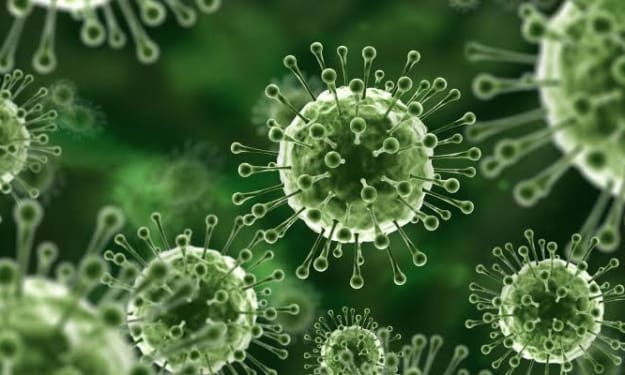
In recent years, the world has become painfully familiar with viral outbreaks. From COVID-19 to Ebola, infectious diseases have repeatedly reminded humanity how fragile global health systems can be. Among these threats, the Nipah virus stands out as one of the deadliest and least understood viruses, capable of causing severe illness and sudden outbreaks with devastating consequences. Although Nipah virus outbreaks are relatively rare, their high fatality rate and lack of a specific cure make them a serious public health concern. Each new outbreak reignites fears and highlights the urgent need for awareness, preparedness, and global cooperation. What Is the Nipah Virus? The Nipah virus is a zoonotic virus, meaning it spreads from animals to humans. It was first identified in 1998 during an outbreak among pig farmers in Malaysia. Since then, cases have been reported mainly in South and Southeast Asia, including Bangladesh and India. Fruit bats, particularly those from the Pteropus species, are considered the natural carriers of the virus. These bats often show no symptoms but can transmit the virus to humans either directly or through intermediate hosts such as pigs. Human-to-human transmission has also been documented, making outbreaks especially difficult to contain. How Nipah Virus Spreads One of the most alarming aspects of the Nipah virus outbreak is how easily it can spread in certain environments. Common modes of transmission include: Direct contact with infected animals Consumption of food contaminated by bat saliva or urine, such as raw date palm sap Close contact with infected individuals, especially in healthcare or household settings In many affected regions, traditional practices and limited access to healthcare increase the risk of exposure. Once the virus enters a community, it can spread rapidly if preventive measures are not taken seriously. Symptoms and Severity The symptoms of Nipah virus infection can vary widely, which often makes early diagnosis difficult. Initial symptoms may resemble common illnesses, including: Fever Headache Muscle pain Vomiting and sore throat However, the disease can quickly progress to severe neurological complications such as encephalitis (brain inflammation). In advanced cases, patients may experience confusion, seizures, coma, and respiratory distress. What makes Nipah virus particularly deadly is its high mortality rate, which has ranged from 40% to as high as 75% in some outbreaks. Survivors may also suffer long-term neurological problems, significantly impacting their quality of life. Recent Outbreaks and Global Concern Each new Nipah virus outbreak raises international alarm, not only because of its fatality rate but also due to its potential to spark a larger epidemic. The World Health Organization (WHO) has listed Nipah virus as a priority pathogen, meaning it has the potential to cause a public health emergency with limited treatment options available. Recent outbreaks, even when limited to a few cases, have required massive public health responses, including contact tracing, quarantines, and community lockdowns. These measures, while effective, place immense strain on healthcare systems and local economies. The fear is not just about the present outbreak but about the virus’s potential to mutate and spread more efficiently among humans in the future. Why There Is No Cure Yet Currently, there is no specific antiviral treatment or approved vaccine for the Nipah virus. Medical care focuses on managing symptoms and providing supportive treatment, such as respiratory support and intensive care when needed. Several experimental treatments and vaccines are under development, but progress is slow due to the sporadic nature of outbreaks and limited funding compared to more widespread diseases. This lack of a cure makes prevention the most powerful tool in fighting Nipah virus outbreaks. Prevention and Control Measures Preventing a Nipah virus outbreak relies heavily on public awareness and early action. Key preventive strategies include: Avoiding consumption of raw or unprocessed foods that may be contaminated Limiting contact with bats and sick animals Using protective equipment when caring for infected individuals Strengthening infection control practices in hospitals Governments and health organizations also play a crucial role by monitoring potential hotspots, educating communities, and responding swiftly to suspected cases. The Role of Global Awareness The deadly nature of the Nipah virus is a stark reminder that global health threats do not respect borders. An outbreak in a small village can quickly become an international concern if ignored. This is why transparency, rapid reporting, and global cooperation are essential. Raising awareness through accurate information helps prevent panic while encouraging responsible behavior. Media outlets, healthcare professionals, and policymakers must work together to ensure communities understand both the risks and the protective measures. Looking Ahead As the world continues to recover from recent pandemics, the Nipah virus outbreak serves as a warning rather than a prediction. It highlights the importance of investing in research, strengthening healthcare infrastructure, and respecting the delicate balance between humans and wildlife. While Nipah virus may not yet be a household name, its potential impact is undeniable. Preparedness today can save countless lives tomorrow. By staying informed and supporting global health initiatives, humanity can reduce the risk posed by this silent but deadly threat.
By Saboor Brohi 6 days ago in Earth
UK Among 10 Countries to Build 100GW Wind Power Grid in North Sea
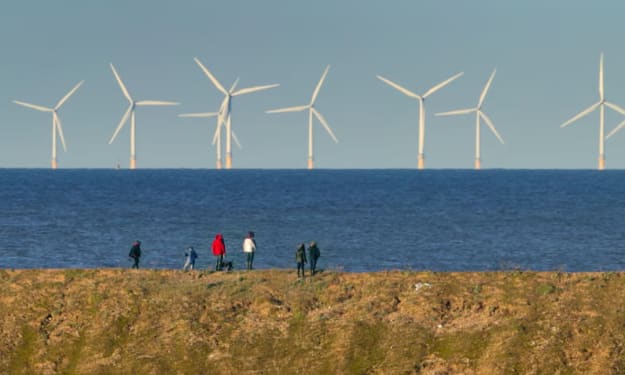
The United Kingdom has joined forces with nine other European countries to create a massive offshore wind power grid in the North Sea, aiming to generate 100 gigawatts (GW) of renewable electricity. This ambitious initiative, one of the largest international energy projects in recent history, reflects Europe’s growing commitment to sustainable energy and the transition away from fossil fuels.
By Aarif Lashari7 days ago in Earth


Comments
There are no comments for this story
Be the first to respond and start the conversation.