
Asian Carp, the Massive Fish That Could Reshape the Great Lakes Forever
The invasive fish moving north could permanently alter the balance of life in America’s largest lakes.

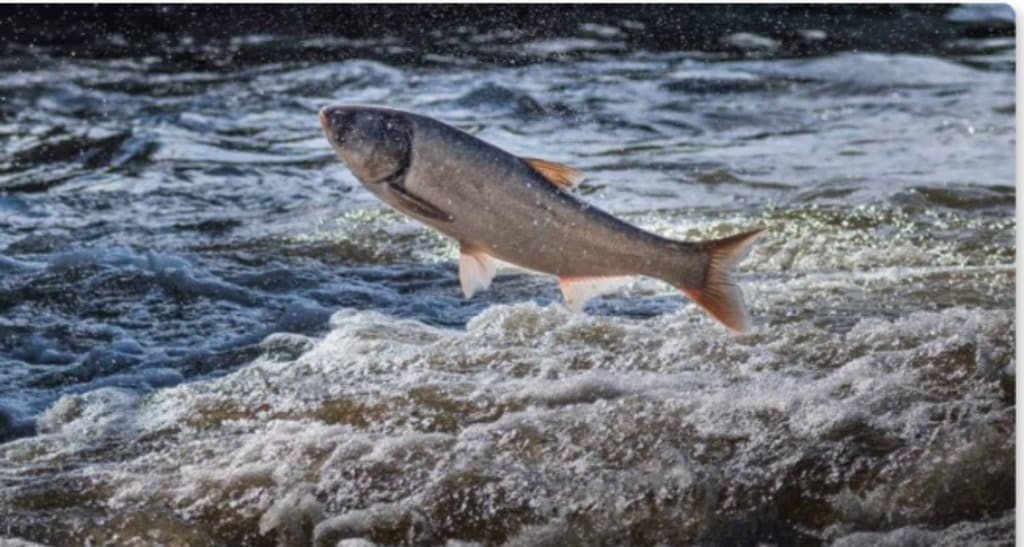
Beneath the surface of America’s Great Lakes lies a growing ecological threat that few people outside scientific and fishing communities fully understand. Known collectively as Asian carp, these massive and aggressive fish species are steadily moving northward through U.S. waterways, raising alarms among environmentalists, economists, and local communities. If they establish themselves in the Great Lakes, experts warn the consequences could be irreversible.
Asian carp are not just another invasive species—they are biological powerhouses capable of transforming entire ecosystems. Their arrival would mean a dramatic shift in food chains, native fish populations, and the economic future of one of the largest freshwater systems on Earth.
What Are Asian Carp?
The term “Asian carp” refers to several species, primarily bighead carp, silver carp, grass carp, and black carp, originally imported to the United States in the 1970s. They were introduced to control algae and improve water quality in aquaculture ponds and wastewater treatment facilities.
However, flooding allowed them to escape into the Mississippi River Basin, where they thrived. With few natural predators and enormous appetites, these fish multiplied rapidly and began spreading into connected waterways.
Some Asian carp can grow over five feet long and weigh more than 100 pounds, making them dominant competitors in any freshwater environment they invade.
Why the Great Lakes Are at Risk
The Great Lakes contain about 20 percent of the world’s surface freshwater and support one of the largest freshwater fisheries on the planet. They are home to native species such as lake trout, whitefish, perch, and walleye—fish that sustain both ecosystems and economies.
Asian carp pose a threat because they feed on plankton, the microscopic organisms that form the foundation of aquatic food chains. By consuming massive amounts of plankton, they deprive native fish of their primary food source. This creates a domino effect that weakens entire populations and destabilizes ecosystems.
If Asian carp become established in the Great Lakes, scientists fear they could permanently alter the biological balance that has existed for thousands of years.
A Physical and Public Safety Hazard
Beyond ecological damage, Asian carp also pose a unique danger to people. Silver carp are notorious for their behavior of leaping several feet into the air when startled by boat motors. This has caused injuries to boaters and water skiers in rivers where the fish are already established.
In the Great Lakes, which host heavy recreational boating and fishing traffic, this behavior could turn a leisure activity into a safety risk. Entire sections of waterways could become hazardous zones for tourism and transportation.
Economic Consequences Could Be Severe
The Great Lakes fishing industry generates billions of dollars annually and supports thousands of jobs. From commercial fisheries to charter fishing, tourism, and seafood processing, entire communities rely on healthy native fish populations.
If Asian carp take over, the economic fallout could be devastating. Native fish species would decline, commercial catches would shrink, and tourism could suffer as recreational fishing becomes less productive and more dangerous.
Local economies that depend on fishing tournaments, lakeside tourism, and boat rentals would face long-term losses. What begins as an environmental problem quickly becomes a social and financial crisis.
Efforts to Stop the Invasion
Government agencies and scientists have been working for years to prevent Asian carp from reaching the Great Lakes. One of the most important defenses is the electric barrier system in the Chicago Area Waterway System, designed to block fish from swimming from the Mississippi River Basin into Lake Michigan.
Additional strategies include:
Intensive commercial fishing programs to reduce carp populations
Environmental DNA testing to detect early presence
Physical barriers and waterway modifications
Research into biological controls and deterrents
Despite these efforts, the threat remains. Flooding, human activity, and natural migration patterns make complete prevention difficult. Even a small number of fish entering the lakes could establish breeding populations.
Climate Change Makes the Problem Worse
Climate change adds another layer of urgency to the issue. Warmer water temperatures make the Great Lakes more hospitable to Asian carp, expanding the range where they can survive and reproduce.
Changes in rainfall and flooding patterns also increase the risk of fish bypassing existing barriers. As ecosystems become more stressed by temperature shifts, invasive species often gain an advantage over native wildlife.
This combination of biological invasion and climate pressure creates a perfect storm for long-term ecological disruption.
A Fight for the Future of Freshwater
The battle against Asian carp is about more than one species of fish. It represents a broader struggle to protect freshwater ecosystems from human-introduced threats.
Invasive species are among the leading causes of biodiversity loss worldwide. Once they become established, removal is nearly impossible. The Great Lakes region has already experienced similar damage from zebra mussels and round gobies, both of which changed ecosystems dramatically.
Asian carp could become the next chapter in that story—one with consequences far larger than previous invasions.
Public Awareness and Community Action
One of the most important tools in stopping the spread of Asian carp is public awareness. Boaters are encouraged to clean equipment, avoid transporting live fish, and report sightings. Fishermen are also being incentivized to harvest carp to reduce their numbers.
Educational programs and partnerships between states, Canada, and federal agencies aim to build a united front against the threat. Protecting the Great Lakes requires cooperation across borders, industries, and communities.
Conclusion: A Species That Could Change Everything
Asian carp are more than just large fish—they are agents of ecological transformation. Their potential arrival in the Great Lakes represents one of the most serious environmental threats facing North America’s freshwater system.
If they establish themselves, the effects could ripple through food chains, economies, and cultures tied to these waters. From fishermen to scientists to families enjoying summer boating trips, millions of people would feel the impact.
The future of the Great Lakes depends on continued vigilance, innovation, and public support. The question is no longer whether Asian carp are dangerous—but whether humanity can stop them in time.
In the end, this is not simply a story about invasive fish. It is a story about responsibility, resilience, and the fragile balance between nature and human action. What happens next will shape the Great Lakes forever.
About the Creator
Sajida Sikandar
Hi, I’m Sajida Sikandar, a passionate blogger with 3 years of experience in crafting engaging and insightful content. Join me as I share my thoughts, stories, and ideas on a variety of topics that matter to you.
Keep reading
More stories from Sajida Sikandar and writers in Earth and other communities.
Earth Is Being Covered in a ‘Forever Chemical’ That Won’t Break Down, Scientists Warn.
Scientists are sounding the alarm over a growing environmental threat that is nearly impossible to erase. Known as “forever chemicals,” a group of synthetic substances called PFAS (per- and polyfluoroalkyl substances) are spreading across the Earth—from drinking water and soil to rain, snow, and even human blood.
By Sajida Sikandarabout 13 hours ago in Earth
“Painful Times in My Marriage” — Melinda French Gates Reacts to Ex-Husband in Epstein Files
Public attention has intensified after comments attributed to Melinda French Gates referenced “painful times” in her marriage while discussions surrounding documents connected to Jeffrey Epstein continue to surface in public discourse. The situation has reignited conversations about accountability, public image, and the long-lasting impact of associations with controversial figures.
By Aarif Lashari5 days ago in Earth
📢 Raise Your Voice Thread: 02/05/2026
Our “Raise Your Voice Threads” are hosted most alternating Thursdays at 12PM ET to offer creators more avenues to uncover exceptional stories on Vocal. As we are continuously searching for fresh creators and inspiring stories, this thread provides an opportunity to exchange and discuss the stories that have moved and motivated us on Vocal.
By Raise Your Voice by Vocal3 days ago in Resources




Comments
There are no comments for this story
Be the first to respond and start the conversation.