
Mental Health and Well-being
Discussing the emotional impact of mental health issues within the Asian Pacific American community

Once upon a time, in a small tight-knit Asian Pacific American community, there lived a young woman named Mei Lin. Mei Lin had always been the epitome of strength and resilience, known for her unwavering dedication to her family and community. But beneath her composed exterior, Mei Lin carried a heavy burden of emotional struggles.
Mei Lin grew up in a culture where mental health was seldom discussed openly. There was an unspoken expectation to suppress emotions and present a facade of strength at all times. As a result, she had internalized the stigma surrounding mental health issues. Seeking help for her own emotional well-being was seen as a sign of weakness, something that would bring shame upon her family.
For years, Mei Lin carried her emotional turmoil in silence, the weight growing heavier with each passing day. The stress of trying to meet cultural expectations, fulfill familial obligations, and assimilate into a society that seemed both welcoming and daunting took a toll on her mental health.
She felt trapped, unable to share her struggles or seek support from those closest to her. The stigma surrounding mental health had become an insurmountable barrier, separating her from the emotional solace she so desperately needed. She masked her pain with a smile, burying her emotions deeper within, fearing judgment and rejection.
One day, as Mei Lin walked through her community, she noticed a small poster hanging in the local community center. It advertised a mental health support group specifically tailored to the needs of Asian Pacific Americans. Her heart skipped a beat, and a glimmer of hope flickered within her weary soul.
Determined to break free from the chains of stigma, Mei Lin mustered the courage to attend the support group. As she walked into the room, she felt a mix of anxiety and anticipation. The participants, from various Asian Pacific backgrounds, shared stories that resonated deeply within her. They spoke of their emotional struggles, the heavy burden they carried, and the fear of being judged by their own community.
In that safe and empathetic space, Mei Lin discovered the healing power of shared experiences. She realized she was not alone in her emotional journey, and the sense of solidarity lifted a weight off her shoulders. Together, they explored the cultural barriers and stigma surrounding mental health, breaking down the walls that had confined them for far too long.
Through the support group, Mei Lin learned about the importance of culturally sensitive mental healthcare. They discussed how mental health professionals who understood the nuances of Asian Pacific American culture could provide the necessary support without judgment. Mei Lin recognized that a holistic approach, one that considered cultural values and familial dynamics, was crucial in addressing mental health issues within her community.
As Mei Lin continued her journey toward emotional well-being, she became an advocate for destigmatizing mental health in the Asian Pacific American community. She shared her story openly, urging others to break the silence and seek the help they deserved. Mei Lin realized that by raising awareness and fostering conversations about mental health, they could collectively build a more supportive and compassionate community.
Over time, Mei Lin witnessed a gradual shift within her community. More individuals began opening up about their struggles, seeking the support they needed without shame or judgment. Mental health began to be seen as an essential part of overall well-being, and culturally sensitive mental healthcare resources became more accessible.
Mei Lin's story of resilience and transformation inspired others to embrace their own emotional journeys. The silent whispers that once echoed through the community were replaced with conversations of hope, empathy, and understanding. Together, they dismantled the stigma surrounding mental health, creating a path for healing and well-being for future generations.
In the end, Mei Lin's emotional struggles and the subsequent liberation she found became a powerful testament to the importance of addressing mental health within the Asian Pacific American community. Her story reminded everyone that seeking help and support is not a sign of weakness but an act of strength and self-care. It ignited a movement of compassion, acceptance, and healing, forever changing the emotional landscape of her community.
Note: This story is a fictional narrative meant to evoke emotions and illustrate the challenges faced by Asian Pacific Americans regarding mental health. It aims to raise awareness about the importance of breaking the stigma and promoting culturally sensitive mental healthcare.
About the Creator
Keep reading
More stories from Mbursa Bulus and writers in Earth and other communities.
Affiliate Marketing
Introduction: Affiliate marketing has emerged as a popular and lucrative way to make money online. By promoting other people's products and earning a commission for each sale or referral, affiliate marketers have the opportunity to generate a substantial income. However, success in affiliate marketing requires a strategic approach and a deep understanding of the industry. In this article, we will explore effective tips and techniques that can help you thrive in the world of affiliate marketing.
By Mbursa Bulus3 years ago in Lifehack
True Happiness
On a sturdy apple tree, a mother dove lived peacefully with her tiny baby. The tree provided them with shelter, shade, and a sense of security. Every day, the mother dove would watch over her little one, teaching it to flap its wings, coo softly, and enjoy the calm of the natural world. Life had been simple, quiet, and safe for them, and she felt content in the little world that belonged entirely to her and her chick.
By Sudais Zakwanabout 14 hours ago in Earth
Take a Roundtrip to Hell and Back
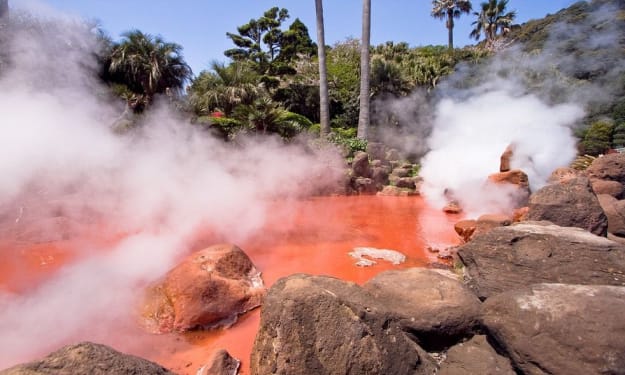
The Acheron River in Greece got its name from a river in Greek mythology located in the underworld of Hades and associated with woes and pain. The river flows through the region of Epirus in northwestern Greece and flows into the Ionian Sea at Ammoudia.
By Rasma Raistersa day ago in Earth



Comments
There are no comments for this story
Be the first to respond and start the conversation.