
"Maya's Mission: A Tale of Climate Change and Transformation"
Maya's Fight Against Climate Change"
Once upon a time, in a small village nestled amidst lush green fields and gentle rolling hills, there lived a young girl named Maya. Maya was a curious and observant child who spent most of her time exploring nature and marveling at its wonders. She had a special affinity for the changing seasons and the beauty they brought to the world.
As Maya grew older, she started noticing subtle changes in her village's climate. Winters became milder, and summers grew hotter and longer. The once reliable rainfall patterns became erratic, causing droughts and floods in the region. The villagers struggled to adapt to these unpredictable weather patterns, affecting their crops and livelihoods.
Filled with a desire to understand and address this issue, Maya embarked on a journey of discovery. She delved into books, spoke to experts, and visited neighboring communities to learn more about climate change. Maya discovered that human activities, such as deforestation, excessive use of fossil fuels, and pollution, were causing the Earth's climate to change rapidly.
Armed with this knowledge, Maya returned to her village determined to make a difference. She organized workshops and shared her newfound knowledge with the villagers, explaining the importance of conserving resources and reducing their carbon footprint. Maya encouraged them to plant trees, use renewable energy sources, and adopt sustainable agricultural practices.
The village slowly embraced Maya's message, realizing that their actions had a direct impact on the climate. They formed a committee dedicated to implementing eco-friendly practices and worked together to make their village a model of sustainability.
Maya's efforts did not go unnoticed. News of the village's remarkable transformation spread far and wide, capturing the attention of scientists, environmentalists, and government officials. They recognized the importance of Maya's work and decided to support her cause.
Maya's village became a hub for research and innovation. Experts collaborated with the villagers to develop innovative solutions for clean energy generation, water conservation, and waste management. The village became a beacon of hope, inspiring neighboring communities to follow suit.
Over time, the effects of climate change began to diminish. Rainfall patterns became more stable, and the once-depleted soil regained its fertility. Biodiversity thrived, with birds and butterflies returning to the village, accompanied by the sweet melodies of nature.
Maya's village became a living testament to the power of individual actions and collective effort. The success of their sustainability initiatives reached the ears of world leaders who invited Maya to share her experiences on the global stage. She became a voice for the environment, advocating for climate action and inspiring people around the world to take responsibility for preserving the planet.
As years passed, Maya's work continued to influence generations. The village became a cherished symbol of resilience and the triumph of harmony between humans and nature. People from all walks of life flocked to witness the transformative power of their actions, learning valuable lessons about the importance of preserving our planet for future generations.
And so, Maya's story became a catalyst for change. Her passion and determination taught the world that it only takes one person to make a difference. Through her tireless efforts, Maya ignited a global movement, reminding humanity that it is our responsibility to protect and cherish our Earth, ensuring a sustainable future for all.
Climate change is a pressing global issue that is impacting our planet and its inhabitants in significant ways. Human activities, such as burning fossil fuels, deforestation, and industrial processes, have led to an increase in greenhouse gas emissions, resulting in a rise in global temperatures. This warming trend has far-reaching consequences for ecosystems, weather patterns, and the overall balance of our planet.
The effects of climate change are already being felt around the world. Glaciers are melting at an alarming rate, leading to rising sea levels and the loss of vital freshwater sources. Extreme weather events, such as hurricanes, droughts, and heatwaves, are becoming more frequent and intense, causing widespread destruction and threatening human lives and livelihoods.
Biodiversity loss is another concerning outcome of climate change. Many species are struggling to adapt to rapidly changing environmental conditions, leading to habitat destruction, species extinction, and imbalances in ecosystems. Coral reefs, home to a vast array of marine life, are particularly vulnerable to rising ocean temperatures and acidification, with devastating consequences for marine biodiversity.
The impacts of climate change extend beyond the environment and have profound social and economic implications. Vulnerable communities, especially those in low-lying coastal areas or arid regions, are disproportionately affected by climate-related disasters and face challenges such as food insecurity, water scarcity, and displacement. The economic costs of climate change, including damage to infrastructure, agriculture, and public health, are substantial and can hinder sustainable development.
Addressing climate change requires collective action on a global scale. Governments, businesses, communities, and individuals all play a crucial role in reducing greenhouse gas emissions and building resilience to climate impacts. Transitioning to renewable energy sources, promoting energy efficiency, and adopting sustainable land and water management practices are key steps towards mitigating climate change.
Individual actions can also make a difference. Making conscious choices to reduce personal carbon footprints, such as using public transportation, conserving energy, recycling, and supporting sustainable businesses, can contribute to the overall effort in combating climate change. Raising awareness and advocating for climate action within our communities and engaging in sustainable practices can inspire others to join the movement.
It is essential to recognize that while the challenges posed by climate change are immense, there is hope for a sustainable future. By embracing renewable energy, implementing nature-based solutions, and promoting innovative technologies, we can mitigate the impacts of climate change and build a more resilient and harmonious relationship with our planet. Together, we can strive to create a future where the beauty and balance of our natural world are preserved for generations to come.
About the Creator
Keep reading
More stories from writers in Earth and other communities.
New York Prepares for Possibly Its Heaviest Snowfall in Years
New York City and surrounding areas are preparing for what could be one of the heaviest snowfalls in years, according to meteorologists. The forecast predicts intense snow, gusty winds, and potentially hazardous conditions, prompting city officials, emergency services, and residents to take precautionary measures.
By Muhammad Hassan3 days ago in Earth
Australia Organic Fertilizer Market Size and Forecast 2025–2033
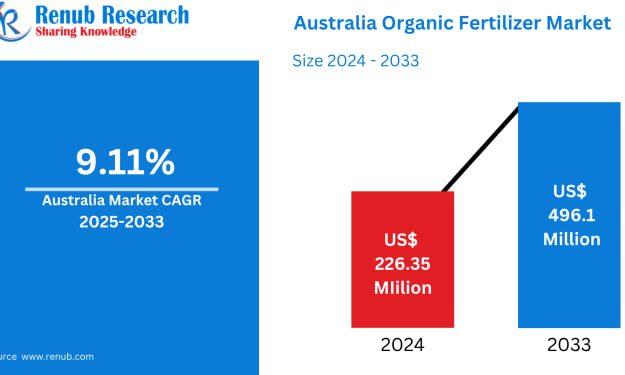
Australia Organic Fertilizer Market Outlook The Australia Organic Fertilizer Market is entering a strong growth phase as sustainability becomes a core priority for farmers, consumers, and policymakers alike. According to Renub Research, the market is expected to reach US$ 496.1 million by 2033, rising from US$ 226.35 million in 2024, expanding at a CAGR of 9.11% from 2025 to 2033.
By jaiklin Fanandish4 days ago in Earth
The Path to Salvation
The late autumn evening air filled the monk's lungs, but it wasn't the season that chilled his bones. The heavy-handed presence of evil he had sensed upon entering the woods surrounding this mountain village had not bothered to conceal itself from him.
By Made in DNA4 days ago in Fiction



Comments (1)
Wow nice content