
Maximizing the Crushing Capacity of Your Stone Crusher
In the aggregate production industry, the crushing capacity of stone crushers directly impacts productivity, profitability, and overall operational efficiency.
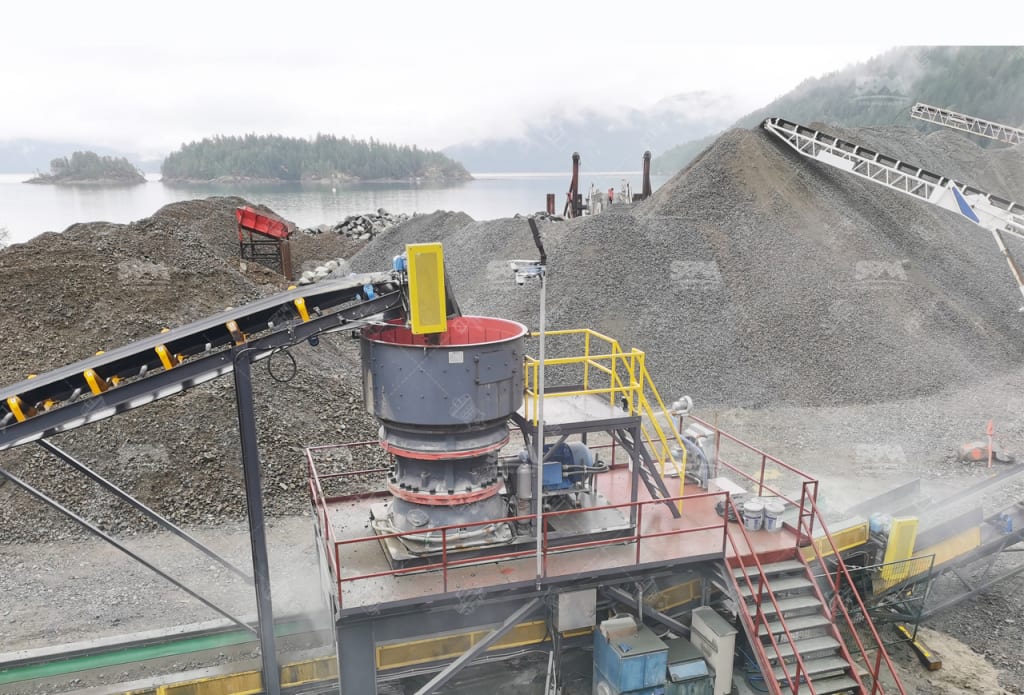
In the aggregate production industry, the crushing capacity of stone crusher directly impacts productivity, profitability, and overall operational efficiency. Whether you're operating a large - scale quarry or a small - to - medium - sized crushing plant, maximizing the crushing capacity of your equipment is crucial. This article delves into various strategies and best practices that can help you achieve this goal.
1. Optimal Equipment Selection
1.1 Match the Crusher to the Material
The first step in maximizing crushing capacity is choosing the right stone crusher for the type of material you'll be processing. Different stones have varying hardness, density, and abrasiveness. For example, hard and abrasive materials like granite and basalt are best suited for robust crushers such as jaw crushers for primary crushing. Jaw crushers can handle large - sized feed materials and provide a high reduction ratio, making them ideal for breaking down the initial large chunks of stone.
For secondary and tertiary crushing of harder materials, cone crushers are a popular choice. Their design allows for continuous crushing action, producing a more uniform product size with a good particle shape. On the other hand, softer materials like limestone can be efficiently processed using impact crushers. Impact crushers work by throwing the material against impact plates, which is effective for achieving a high reduction ratio and producing a well - shaped final product.
1.2 Consider Equipment Size and Capacity
Selecting a crusher with an appropriate size and rated capacity for your production requirements is essential. An undersized crusher will struggle to handle the feed volume, resulting in bottlenecks and reduced throughput. Conversely, an oversized crusher may operate inefficiently, consuming excessive energy and incurring unnecessary costs. Analyze your expected production volume, feed size distribution, and the required final product size to determine the optimal crusher model and capacity.
2. Feed Optimization
2.1 Control Feed Size and Uniformity
The size and uniformity of the feed material significantly influence the crushing capacity of a stone crusher. Ensure that the maximum feed size does not exceed the specified limits of the crusher. Feeding oversized stones can cause blockages, damage to the crusher components, and a reduction in overall efficiency. Additionally, strive for a consistent feed size distribution. A uniform feed allows the crusher to operate more smoothly, as it can process the material at a more stable rate. Using a pre - screening process before feeding the material to the crusher can remove fines and ensure that the feed size is within the desired range.
2.2 Regulate Feed Rate
Maintaining an appropriate feed rate is crucial for maximizing crushing capacity. Overfeeding the crusher can lead to choking, causing the machine to slow down or even stop, while underfeeding results in inefficient use of the equipment's capabilities. Most modern crushers are equipped with feeders, such as vibrating feeders or belt feeders, which can be adjusted to control the feed rate. Monitor the crusher's load and performance in real - time and adjust the feed rate accordingly to ensure a continuous and optimal flow of material through the crusher.
3. Operational Adjustments
3.1 Optimize Crusher Settings
Each type of stone crusher has specific settings that can be adjusted to enhance its performance. For instance, in a jaw crusher, the setting of the toggle plate can influence the stroke length and the amount of material crushed in each cycle. In a cone crusher, adjusting the closed - side setting (CSS) controls the size of the final product and the crushing force applied. Experiment with different settings within the recommended range to find the combination that maximizes crushing capacity while maintaining the desired product quality. Regularly test the crushed product size and make adjustments as needed.
4. Maintenance and Wear Management
4.1 Regular Maintenance Schedule
A well - maintained stone crusher is more likely to operate at its maximum capacity. Establish a comprehensive maintenance schedule that includes routine inspections, lubrication, and component replacements. Regularly check for loose bolts, worn - out belts, and signs of wear on critical parts such as jaw plates, cone mantles, and impact plates. Lubricate moving parts according to the manufacturer's recommendations to reduce friction and prevent premature wear. By addressing minor issues promptly, you can avoid major breakdowns that can cause significant downtime and loss of crushing capacity.
In conclusion, maximizing the crushing capacity of your stone crusher requires a holistic approach that encompasses proper equipment selection, feed optimization, operational adjustments, maintenance, and process integration. By implementing these strategies and continuously monitoring and improving your crushing operations, you can significantly increase productivity, reduce costs, and gain a competitive edge in the aggregate production industry.
About the Creator
Police Warn Against ‘Ridiculous’ Parking at Beauty Spot Amid Snow Disruption
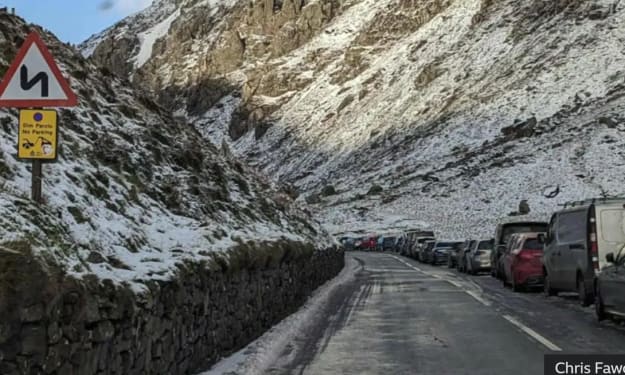
Heavy snowfall may transform beauty spots into winter wonderlands, but it also brings serious risks when visitors ignore basic safety and parking rules. Police have issued a strong warning against what they describe as “ridiculous” parking at a popular beauty spot, after snow disruption led to blocked roads, stranded vehicles, and delayed emergency access. As wintry conditions continue to affect travel, authorities are urging the public to prioritise safety over scenic photographs, reminding drivers that poor parking decisions can have life-threatening consequences during severe weather. Snowfall Turns Scenic into Hazardous The recent spell of snow attracted large numbers of visitors eager to enjoy picturesque landscapes blanketed in white. Hillsides, national parks, and rural viewpoints quickly became hotspots for walkers, families, and amateur photographers. However, police say the surge in visitors coincided with widespread parking chaos. Cars were left abandoned on narrow roads, grass verges, gateways, and even blocking access routes meant for emergency vehicles and local residents. What may appear to drivers as a harmless decision to “park for just a few minutes” can quickly escalate into a major safety issue—especially when snow and ice reduce road space and visibility. Police Response and Public Warning Local police forces have taken to social media and public statements to express frustration at the situation. Officers described some parking behaviour as not only irresponsible but dangerous, particularly given the weather conditions. Police warned that emergency vehicles, including ambulances and mountain rescue teams, were struggling to reach areas due to blocked roads. In severe weather, response times are already under pressure, and illegally parked vehicles can mean the difference between life and death. Authorities have also made it clear that enforcement action will be taken where necessary. Drivers risk fines, towing, and penalty points if their vehicles obstruct roads or endanger others. Impact on Emergency Services One of the most serious consequences of poor parking during snow disruption is its impact on emergency services. Narrow rural roads, already difficult to navigate in icy conditions, become completely impassable when cars are parked irresponsibly. Fire crews, paramedics, and rescue teams rely on clear access routes, particularly in popular beauty spots where accidents such as slips, falls, or stranded walkers are more likely in winter conditions. Police stressed that emergency vehicles do not have the luxury of “finding another way around” when roads are blocked. Delays caused by inconsiderate parking put both responders and the public at risk. Local Residents Left Frustrated It is not only emergency services that are affected. Residents living near popular beauty spots often bear the brunt of snow-related disruption. Driveways are blocked, access to homes becomes difficult, and essential journeys for work, medical appointments, or supplies are delayed. Many locals report feeling ignored by visitors who treat rural communities like seasonal attractions rather than lived-in areas. During winter weather, this frustration is magnified, as residents may already be dealing with power outages, poor road conditions, and limited access to services. Police have echoed these concerns, reminding visitors that beauty spots are often surrounded by working communities, not just open spaces for leisure. Why Snow Makes Parking More Dangerous Snow significantly reduces road safety margins. It narrows carriageways, hides road markings, and makes verges unstable. A car parked partly on a road might seem manageable in normal conditions, but in snow it can create blind corners, force vehicles into oncoming traffic, or cause skidding accidents. Additionally, snowploughs and gritters require space to operate effectively. Poorly parked vehicles can prevent these essential services from clearing roads, prolonging disruption for everyone. Authorities warn that even experienced drivers can underestimate how quickly conditions can change in winter weather. Social Media and the “Snow Day” Effect Police have also pointed to social media as a contributing factor. Viral images of snow-covered landscapes often encourage spontaneous trips without proper planning. People see beautiful photos and head out without considering parking availability, road conditions, or weather warnings. This “snow day” mentality can overwhelm rural infrastructure not designed for large volumes of traffic, particularly during adverse weather. Police urge visitors to check local advice before travelling and to be prepared to turn back if conditions are unsafe. Advice for Safe Winter Visits In response to the ongoing disruption, authorities have shared clear guidance for anyone planning to visit beauty spots during snowy conditions: Avoid unnecessary travel during severe weather warnings Park only in designated areas, never on roads or verges Do not block gateways, tracks, or emergency access routes Check weather and road conditions before setting off Be prepared to leave if parking is unavailable Police emphasise that no photograph or short walk is worth risking lives or causing serious disruption. Enforcement and Accountability While officers prefer to rely on public cooperation, they have confirmed that enforcement will be stepped up if irresponsible behaviour continues. Vehicles may be ticketed or removed, particularly if they pose a danger or obstruction. Authorities stress that enforcement is not about spoiling enjoyment but about ensuring public safety. Winter conditions demand higher levels of responsibility from drivers, not less. A Shared Responsibility Snow transforms landscapes, but it also tests public behaviour. Police warnings against “ridiculous” parking are not just expressions of frustration—they are urgent reminders that safety must come first. Enjoying nature is a privilege, not a right, especially during extreme weather. By parking responsibly and respecting local communities, visitors can help ensure that beauty spots remain accessible, emergency services remain effective, and winter days do not turn into preventable disasters. As snow disruption continues, the message from police is clear: think before you park, or don’t park at all
By Muhammad Hassan5 days ago in Earth
How Wind Energy Works: A Closer Look with Stanislav Kondrashov
As the world pushes further into the 21st century, the demand for sustainable and clean sources of energy has never been greater. At the heart of this shift is wind energy—a technology as old as the first sailboat, yet as modern as the towering turbines dotting coastlines and countrysides. Stanislav Kondrashov, an independent energy researcher and commentator, has long studied the mechanics and potential of wind power. His insights help demystify what’s often seen as a complex system driven by forces we can’t see.
By Stanislav Kondrashov 7 days ago in Earth



Comments
There are no comments for this story
Be the first to respond and start the conversation.