
Maximizing Energy Efficiency
A Comprehensive Guide to Conducting a Home Energy Audit


This article provides a comprehensive guide on how to conduct a home energy audit, including the benefits, common areas to check, step-by-step instructions, identifying energy-saving opportunities, and the benefits of improving home energy efficiency.
Introduction to Home Energy Audits
Home energy audits are essential for homeowners seeking to optimize their energy usage, reduce costs, and create a more sustainable living environment. By conducting a comprehensive assessment of a home's energy performance, individuals can identify areas of improvement, prioritize energy-saving measures, and ultimately enhance the overall comfort and efficiency of their living space. For example, a family residing in an older home may discover through an energy audit that their heating and cooling systems are outdated and inefficient, leading to excessive energy consumption and high utility bills. This realization can prompt them to consider upgrading to energy-efficient appliances and improving insulation to maximize energy savings and reduce their environmental impact.
Furthermore, the process of conducting a home energy audit involves various steps, including visual inspections, diagnostic tests, and data analysis, to provide homeowners with a holistic view of their energy usage patterns. By delving into the specifics of energy consumption within their homes, individuals can make informed decisions about potential upgrades and modifications to optimize efficiency. For instance, a homeowner may learn through an audit that their lighting fixtures are consuming a significant amount of electricity, prompting them to switch to energy-efficient LED bulbs to reduce energy waste and lower their electricity bills. This proactive approach to energy management not only benefits the homeowners financially but also contributes to broader energy conservation efforts.
In addition to financial savings, home energy audits can lead to increased home comfort and well-being for occupants. By addressing energy inefficiencies and improving insulation, homeowners can create a more consistent indoor temperature, reduce drafts, and enhance overall comfort levels. For example, sealing air leaks around windows and doors identified during an audit can prevent cold drafts in the winter and maintain a cooler environment in the summer, ensuring a more pleasant living space for residents. This focus on optimizing energy efficiency not only enhances the quality of life within the home but also aligns with sustainable practices for a greener future.
Benefits of Home Energy Audits
The benefits of home energy audits extend beyond mere financial savings, encompassing environmental impact and long-term sustainability. While cost reduction is a significant advantage, energy audits also play a crucial role in promoting energy conservation, reducing carbon emissions, and supporting eco-friendly practices. For instance, a homeowner who invests in energy-saving upgrades following an audit can significantly decrease their household's energy consumption, leading to a smaller carbon footprint and contributing to environmental preservation efforts. This dual benefit of financial savings and environmental responsibility underscores the importance of home energy audits in modern households striving for energy efficiency.
Moreover, energy audits provide homeowners with a comprehensive evaluation of their home's energy performance, enabling them to make strategic decisions about energy-saving measures. By identifying specific areas for improvement, such as upgrading to energy-efficient appliances or enhancing insulation, individuals can tailor their energy efficiency efforts to maximize impact and savings. For example, a homeowner who discovers through an audit that their HVAC system is operating inefficiently may opt to replace it with a more energy-efficient model, leading to significant long-term cost savings and improved comfort levels in the home. This targeted approach to energy management empowers homeowners to take control of their energy usage and make informed choices that benefit both their finances and the environment.
Furthermore, the long-term financial benefits of improving home energy efficiency cannot be understated. While the initial investment in energy-saving upgrades may require a financial commitment, the resulting savings on utility bills and maintenance costs can lead to substantial returns over time. For instance, a homeowner who upgrades their home's insulation and seals air leaks identified during an energy audit can experience lower heating and cooling expenses, resulting in annual savings that offset the upfront costs of the improvements. This cost-effective approach to energy efficiency not only improves the financial well-being of homeowners but also enhances the value and marketability of their properties in the long run.
Common Areas to Check During a Home Energy Audit
When conducting a home energy audit, homeowners should pay particular attention to key areas that commonly contribute to energy inefficiencies in residential properties. One critical aspect to inspect is the HVAC ductwork, where leaks and inadequate insulation can lead to significant energy loss and reduced system efficiency. For example, a homeowner may discover during an audit that their ductwork has leaks or insufficient insulation, causing conditioned air to escape before reaching its intended destination. By addressing these issues through proper sealing and insulation, individuals can improve the efficiency of their HVAC system and reduce energy waste, ultimately lowering their utility bills and enhancing home comfort.
In addition to HVAC ductwork, evaluating the efficiency of water heating systems is another essential step in a home energy audit. Water heaters are significant energy consumers in most households, and inefficiencies in these systems can result in unnecessary energy expenditure. For instance, a homeowner may realize through an audit that their water heater is outdated and operating below optimal efficiency, leading to higher energy bills and wasted resources. By considering upgrades to energy-efficient water heating solutions or implementing water-saving practices, individuals can reduce their energy consumption, lower utility costs, and contribute to a more sustainable lifestyle. This focus on water heating efficiency underscores the importance of a holistic approach to energy management in residential properties.
Moreover, assessing the condition of windows and doors for air leaks and inadequate insulation is crucial during a home energy audit. Windows and doors are common areas where drafts can occur, leading to heat loss in the winter and heat gain in the summer. For example, a homeowner conducting an audit may use tools like a thermal leak detector to identify gaps and cracks around windows and doors that compromise the home's energy efficiency. By addressing these issues through weather stripping, caulking, or upgrading to energy-efficient windows and doors, individuals can enhance insulation, reduce energy waste, and create a more comfortable indoor environment for themselves and their families.

Step-by-Step Guide for Conducting a Home Energy Audit
Conducting a home energy audit involves a systematic approach to assessing energy usage, identifying inefficiencies, and implementing energy-saving measures tailored to the specific needs of a home. One of the initial steps in conducting an audit is to perform a visual inspection of the home's exterior to identify potential areas of energy loss, such as gaps, cracks, or inadequate insulation. For example, a homeowner may observe during the inspection that the siding of their house has visible gaps that allow heat to escape, indicating a need for insulation improvements to enhance energy efficiency.
Additionally, utilizing diagnostic tools like a blower door test can provide valuable insights into air leaks and drafts within the home. By pressurizing the house and measuring air infiltration, homeowners can pinpoint specific areas where energy loss is occurring and take corrective actions to seal leaks effectively. For instance, a homeowner conducting a blower door test may discover that air leaks around windows or doors are contributing to heat loss and drafts, prompting them to seal these areas with weather stripping or caulking to improve insulation and reduce energy waste. This proactive approach to addressing air leaks can result in significant energy savings and enhanced home comfort.
Furthermore, checking the efficiency of appliances and lighting fixtures is another crucial step in a home energy audit. Inefficient appliances and outdated lighting can contribute to unnecessary energy consumption and higher utility bills. For example, a homeowner may use a wattmeter to measure the energy usage of various appliances and discover that older models are consuming more electricity than necessary. By replacing these appliances with energy-efficient alternatives and switching to LED lighting, individuals can reduce their energy consumption, lower their electricity bills, and create a more sustainable home environment. This focus on energy-efficient appliances and lighting underscores the importance of evaluating all aspects of energy usage during a comprehensive home energy audit.
Identifying Energy-Saving Opportunities During an Audit
Home energy audits offer homeowners valuable insights into energy-saving opportunities that can lead to cost savings and improved efficiency. By analyzing energy consumption patterns and identifying areas of inefficiency, individuals can prioritize energy-saving measures to maximize impact and benefits. For example, a homeowner may discover through an audit that their heating and cooling systems are operating inefficiently, resulting in excessive energy usage and high utility bills. By upgrading to energy-efficient HVAC systems or improving insulation, individuals can optimize their energy efficiency, reduce costs, and enhance the comfort of their living space.
Moreover, energy audits help homeowners uncover hidden energy inefficiencies that may be contributing to high energy bills and discomfort in the home. By using tools like thermographic inspections and energy monitors, individuals can pinpoint specific areas where energy waste is occurring and take corrective actions to improve efficiency. For instance, a homeowner conducting an audit may find that their attic insulation is inadequate, leading to heat loss and increased heating costs during the winter. By adding more insulation to the attic, individuals can create a more energy-efficient home environment and lower their utility expenses over time.
Furthermore, energy audits enable homeowners to prioritize energy-saving measures based on their cost-effectiveness and potential impact on energy consumption. By evaluating the return on investment of various upgrades and modifications, individuals can make informed decisions about where to allocate resources for maximum savings. For example, a homeowner may realize through an audit that upgrading to energy-efficient appliances offers a significant cost-saving opportunity compared to other improvements. By focusing on high-impact upgrades first, individuals can streamline their energy efficiency efforts and achieve substantial benefits in terms of cost reduction and environmental sustainability.
Benefits of Improving Home Energy Efficiency
Improving home energy efficiency can yield a wide range of benefits for homeowners, ranging from financial savings to enhanced comfort and environmental impact. By investing in energy-saving upgrades and modifications, individuals can create a more sustainable living environment that promotes energy conservation and reduces carbon emissions. For example, a homeowner who upgrades to energy-efficient appliances and implements insulation improvements following an energy audit can experience lower utility bills, increased home comfort, and reduced environmental impact. This multifaceted approach to energy efficiency not only benefits the homeowners directly but also contributes to broader sustainability efforts and eco-friendly practices.
Furthermore, improved home energy efficiency can lead to enhanced property value and marketability, making it a wise investment for homeowners looking to increase the resale value of their homes. Energy-efficient homes are more attractive to potential buyers, as they offer lower operating costs, improved comfort levels, and reduced environmental impact. For instance, a homeowner who invests in energy-saving upgrades may see a higher return on investment when selling their home due to its enhanced energy efficiency and sustainability features. This emphasis on energy efficiency can set a property apart in the real estate market and appeal to environmentally conscious buyers seeking energy-efficient homes.
Moreover, upgrading home energy systems and implementing energy-saving measures can lead to a healthier indoor environment for occupants, reducing exposure to pollutants and allergens. By improving insulation, sealing air leaks, and upgrading ventilation systems, homeowners can create a more comfortable and safe living space for themselves and their families. For example, a family residing in a home with proper insulation and efficient heating and cooling systems may experience fewer indoor air pollutants and allergens, leading to improved respiratory health and overall well-being. This focus on creating a healthy indoor environment underscores the importance of energy efficiency in promoting the health and comfort of residents.
DIY Tips for Conducting a Home Energy Audit
Conducting a DIY home energy audit can empower homeowners to identify energy-saving opportunities, reduce costs, and enhance energy efficiency in their homes. By following simple guidelines and utilizing basic tools, individuals can assess their energy usage, pinpoint areas of inefficiency, and implement cost-effective upgrades. For example, homeowners can use a candle or an incense stick to detect drafts around windows and doors, indicating potential air leaks that need to be sealed. By addressing these drafts through weather stripping or caulking, individuals can improve insulation, reduce energy waste, and create a more comfortable indoor environment.
Moreover, conducting a visual inspection of the home's exterior can reveal areas of energy loss and inefficiency that require attention. By examining the condition of the roof, siding, windows, and doors, homeowners can identify gaps, cracks, or inadequate insulation that contribute to energy waste. For instance, a homeowner conducting a DIY audit may discover that their attic insulation is insufficient, leading to heat loss and higher heating costs during the winter months. By adding more insulation to the attic and sealing air leaks, individuals can enhance energy efficiency, lower utility bills, and improve the comfort of their living space.
Furthermore, evaluating the efficiency of appliances and lighting fixtures is a crucial aspect of a DIY home energy audit. By assessing the energy usage of refrigerators, washing machines, light bulbs, and other devices, homeowners can identify opportunities for energy savings and cost reduction. For example, a homeowner may realize through an audit that their refrigerator is consuming more electricity than necessary, prompting them to consider upgrading to an energy-efficient model to lower energy consumption and save on utility bills. This proactive approach to energy management allows individuals to take control of their energy usage and make informed decisions about improvements that benefit both their finances and the environment.
Professional Home Energy Assessments
Professional home energy assessments offer homeowners a comprehensive evaluation of their energy performance, tailored recommendations for energy-saving solutions, and detailed insights into hidden energy inefficiencies. By engaging certified energy auditors to conduct a thorough assessment of their homes, individuals can receive personalized guidance on optimizing energy efficiency and reducing costs. For example, a homeowner who schedules a professional energy audit may discover through the assessment that their HVAC system is operating inefficiently, leading to excessive energy consumption and high utility bills. By following the auditors' recommendations for upgrading to energy-efficient systems, individuals can achieve significant cost savings and improve the comfort of their living space.
Moreover, certified energy auditors utilize advanced tools and techniques, such as infrared cameras and blower door tests, to identify specific areas of energy loss and inefficiency within a home. By conducting these diagnostic tests, auditors can pinpoint air leaks, insulation gaps, and other issues that contribute to energy waste, providing homeowners with targeted solutions for improvement. For instance, during a professional energy audit, auditors may use an infrared camera to detect hidden air leaks that are not visible to the naked eye, allowing for precise sealing and insulation upgrades to enhance energy efficiency. This level of detail and accuracy in professional assessments enables homeowners to optimize their energy usage and create a more sustainable home environment.
Furthermore, professional energy audits may uncover safety hazards related to energy systems that homeowners may not be aware of, such as faulty wiring, improperly vented appliances, or combustion risks. By identifying these potential hazards and providing recommendations for mitigation, certified energy auditors help ensure the safety and well-being of occupants in the home. For example, a homeowner who undergoes a professional energy assessment may learn that their gas furnace is not properly vented, posing a carbon monoxide risk, and requiring immediate attention to prevent safety issues. This focus on safety highlights the comprehensive nature of professional energy audits and the value they bring in promoting both energy efficiency and occupant health and security.
Prioritizing Energy Efficiency Upgrades After an Audit
After completing a home energy audit, homeowners are advised to prioritize energy efficiency upgrades based on the audit findings, cost-benefit analysis, and long-term financial benefits. By assessing the potential impact and return on investment of various upgrades, individuals can develop a strategic plan for maximizing energy savings and optimizing efficiency. For example, a homeowner who discovers through an audit that their windows are inefficient and contributing to heat loss may prioritize upgrading to energy-efficient windows to improve insulation and reduce energy waste. By focusing on high-impact upgrades first, individuals can achieve significant cost savings and enhanced home comfort over time.
Moreover, considering investments in energy-efficient appliances and systems can lead to substantial energy savings and improved efficiency in the long run. By replacing outdated appliances with ENERGY STAR-rated models, upgrading to energy-efficient HVAC systems, and implementing smart thermostats, homeowners can reduce their energy consumption, lower utility bills, and create a more sustainable living environment. For instance, a homeowner who invests in energy-efficient upgrades following an audit may experience lower heating and cooling costs, increased comfort levels, and reduced environmental impact, making the initial investment worthwhile. This focus on energy-efficient investments underscores the long-term benefits of prioritizing energy efficiency upgrades after an audit.
Furthermore, developing a timeline for implementing energy efficiency upgrades can help homeowners achieve their goals effectively and sustainably. By breaking down the upgrade process into manageable steps and setting deadlines for each improvement, individuals can track their progress, stay on budget, and maximize the benefits of their energy-saving measures. For example, a homeowner who plans to upgrade their insulation, seal air leaks, and install energy-efficient appliances may create a timeline that outlines specific tasks, costs, and completion dates for each upgrade. This organized approach to energy efficiency upgrades ensures that homeowners can achieve their desired outcomes and enjoy long-term financial savings and environmental benefits.
Conclusion: Key Takeaways from a Home Energy Audit
In conclusion, home energy audits are invaluable tools for homeowners seeking to optimize their energy efficiency, reduce costs, and create a more sustainable living environment. By conducting a comprehensive assessment of their energy performance, individuals can identify areas for improvement, prioritize energy-saving measures, and enhance the comfort and efficiency of their homes. The benefits of home energy audits extend beyond financial savings to encompass environmental impact, property value, and occupant well-being. By investing in energy-saving upgrades, homeowners can lower utility bills, reduce their carbon footprint, and create a healthier indoor environment for themselves and their families. Therefore, scheduling a home energy audit is a proactive step towards achieving energy efficiency, cost savings, and environmental sustainability in residential properties.
About the Creator
Timothy A Rowland
I’m an every day human Xennial from the United States. I have many interest. I just want to improve your life and maybe entertain you. Available for editing and LeadsLeap projects at: https://www.fiverr.com/greyhatcompany
Keep reading
More stories from Timothy A Rowland and writers in Earth and other communities.
Hurricane Idalia
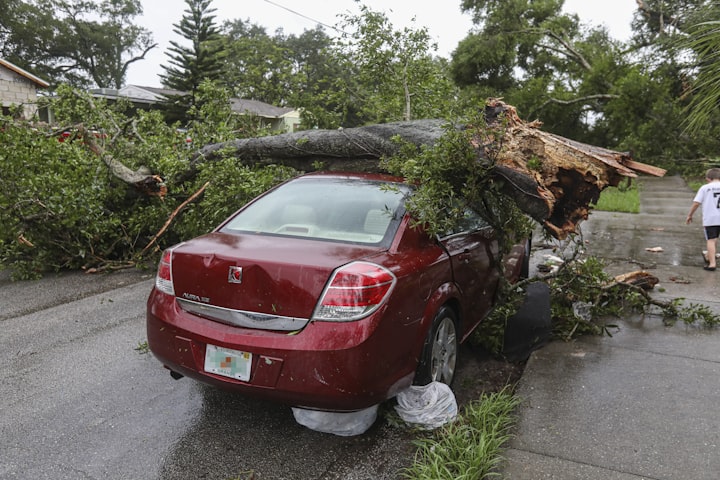
Quick Note from Me I live in southeastern Georgia, and this hurricane even left us without power for two days. Some places here in GA still don't have power. That was just from the wind damage mostly. Those hit directly experienced a hell that can't really be put into words. Our hearts go out to them.
By Timothy A Rowland3 years ago in Earth



Comments
There are no comments for this story
Be the first to respond and start the conversation.