
Mariana Trench Mystery: Unlocking the Secrets of Earth's Deepest Abyss
Delving into the Depths: Unraveling the Mysteries of the Mariana Trench

Introduction
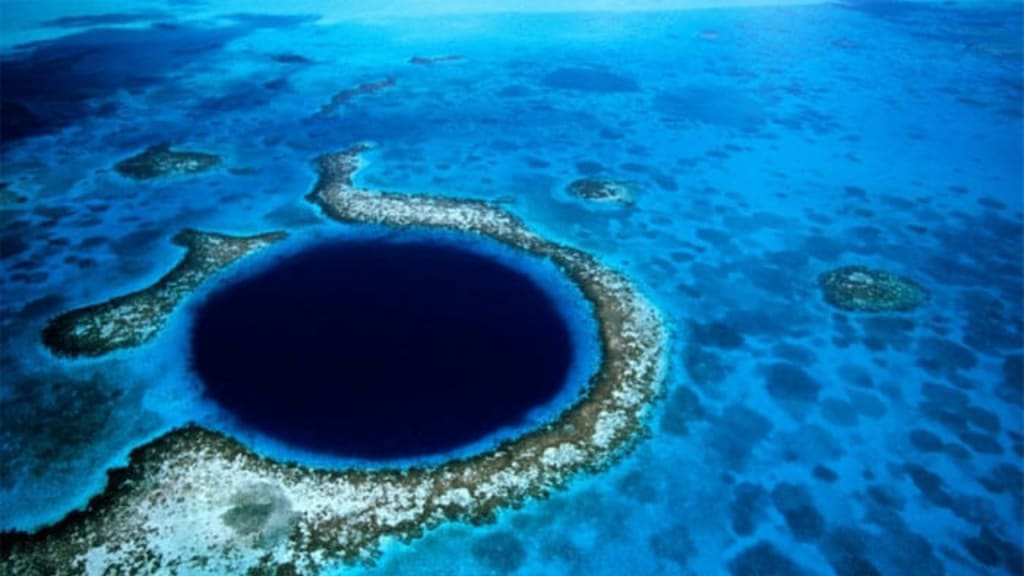
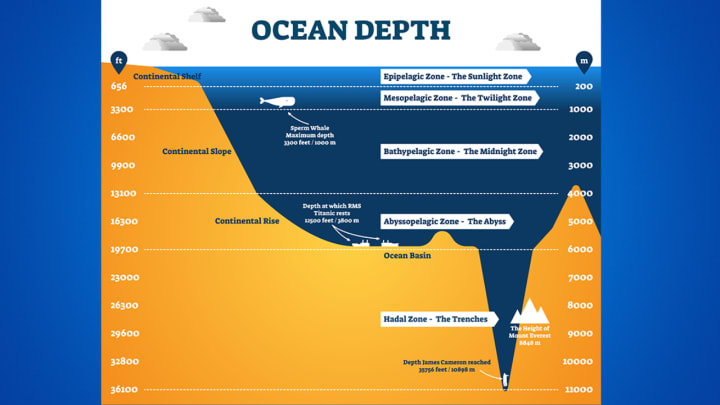
Beneath the vast expanse of the Pacific Ocean lies a place shrouded in mystery and intrigue—the Mariana Trench. With its staggering depth of approximately 36,070 feet (10,994 meters), it is the deepest part of the world's oceans. This awe-inspiring chasm has captivated scientists and explorers alike, as they strive to unravel the enigmatic secrets concealed within its abyssal depths. In this article, we delve into the Mariana Trench mystery, exploring its fascinating characteristics and the ongoing quest to understand this remarkable natural wonder.
A Geological Wonder
The Mariana Trench, located in the western Pacific Ocean, stretches approximately 1,550 miles (2,500 kilometers) long and is a result of tectonic plate movements. It is formed by the collision of the Pacific Plate and the Philippine Sea Plate, resulting in a subduction zone where one plate slides beneath the other. This geological process has created an unparalleled abyss that showcases the extreme depths of our planet.
The Deep-sea Challenger Expedition
The mysteries of the Mariana Trench were brought to global attention in 2012 when filmmaker and explorer James Cameron made a historic solo dive to its deepest point. Using the Deep-sea Challenger, a specially designed submersible, Cameron descended to the trench's bottom, capturing unprecedented footage and gathering valuable scientific data. This expedition shed new light on the unique ecosystem and geological formations residing in this remote and hostile environment.
Unveiling Alien-Like Creatures
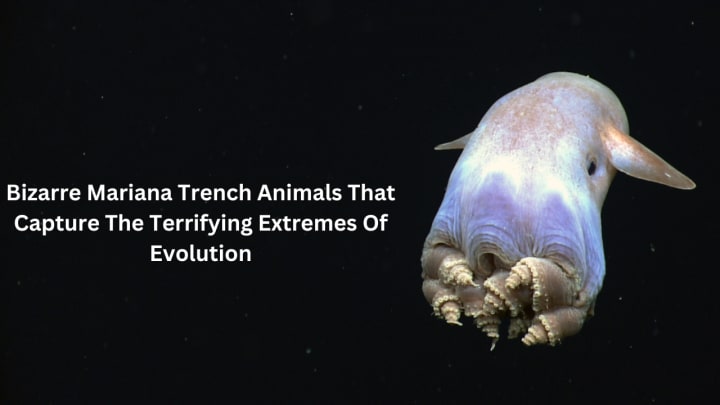
One of the most fascinating aspects of the Mariana Trench is the astonishing biodiversity it harbors. Despite the immense pressure, frigid temperatures, and perpetual darkness, life has found a way to thrive in this otherworldly realm. The trench is home to a multitude of strange and alien-like organisms, many of which have adapted to the extreme conditions. Bizarre deep-sea creatures, such as the abyssal grenadier and the Mariana snailfish, have been discovered, challenging our understanding of life's limits.
The Hunt for Microbial Life
Scientists are particularly intrigued by the potential existence of microbial life within the Mariana Trench. Microbes are known to thrive in some of the most inhospitable environments on Earth, and the trench presents a unique opportunity to study the adaptations and resilience of these microorganisms.
The discovery of microbial life in the trench would have profound implications for our understanding of life's ability to survive in extreme conditions and its potential existence on other planets or moons.
Geological Phenomena and Earthquake Activity
In addition to its biological wonders, the Mariana Trench plays a pivotal role in the study of geological phenomena. It serves as a hotspot for earthquake activity and deep-sea volcanic eruptions, offering scientists a glimpse into the dynamic forces shaping our planet.
By monitoring seismic activity and studying the geological processes occurring within the trench, researchers can gain insights into plate tectonics, seafloor spreading, and the mechanisms driving Earth's ever-changing landscape.
The Enigma of the Challenger Deep
The deepest point within the Mariana Trench is known as the Challenger Deep, named after the HMS Challenger expedition, which first measured its depth in 1875. Despite significant advancements in technology, exploring the Challenger Deep remains a daunting task due to the immense pressures and technical challenges posed by its extreme depths. Only a handful of manned expeditions have reached this point, and each venture uncovers new complexities and mysteries.
Future Exploration and Scientific Endeavors
As technology continues to advance, scientists are eager to unlock the remaining secrets of the Mariana Trench. New unmanned robotic vehicles, equipped with cutting-edge sensors and cameras, are being developed to explore its depths and document its hidden treasures. The ongoing quest to understand the trench's geological, biological, and chemical processes promises to yield valuable insights into the history and future of our planet.
Conclusion
The Mariana Trench stands as a testament to the vastness and inherent mysteries of our planet. Its extreme depths and unique ecosystem offer a window into the resilience and adaptability of life in the harshest environments.
As scientists continue to explore and study this enigmatic abyss, we move closer to unraveling the secrets it holds and gaining a deeper understanding of our planet's past, present, and future. The Mariana Trench will undoubtedly remain a focal point of scientific inquiry, inspiring generations to come to explore the wonders that lie beneath the surface of our oceans.
Thanks for reading
Like share and Subscribe
About the Creator
Malted Wheat Flour Market Size and Forecast 2025
Malted Wheat Flour Market Overview Malted wheat flour is produced by germinating wheat grains, drying them, and grinding them into flour. This natural malting process activates enzymes—particularly amylase—that convert starch into fermentable sugars during baking. The result is improved dough fermentation, enhanced texture, increased loaf volume, and a richer, more consistent flavor profile in baked goods.
By Aaina Oberoi3 days ago in Earth
Neutraceutical Packaging Market Size and Forecast 2025–2033
Neutraceutical Packaging Market at a Glance The Neutraceutical Packaging Market is projected to expand from US$ 4.92 billion in 2024 to US$ 7.63 billion by 2033, growing at a CAGR of 4.99% from 2025 to 2033. This steady growth reflects the accelerating global demand for dietary supplements, functional foods, herbal products, and wellness beverages. Rising health awareness, aging populations, sustainability expectations, the rapid growth of e-commerce, and evolving regulatory frameworks are reshaping how nutraceutical products are packaged, protected, and presented.
By jaiklin Fanandish3 days ago in Earth
Wild Card Weekend Recap: What Happens Now?
I think I figured out why I love Wild Card Weekend so much. It's because it's the first playoff anything of the calendar year. The NFL season starts in the fall, and once upon a time, the champion was crowned either on or slightly before New Year's. The evolution of the NFL schedule has resulted in the playoffs starting just into the New Year, and currently, the final week of the season falls on the first weekend of the New Year, with Wild Card Weekend coming a week after that. So yes, chronologically, the NFL's Wild Card Weekend serves as the first playoff anything of the calendar year.
By Clyde E. Dawkins6 days ago in Unbalanced



Comments
There are no comments for this story
Be the first to respond and start the conversation.