
The Pyramids of Giza: Ancient Marvels Defying Time
Exploring the Enigmatic Splendor of Egypt's Ancient Pyramids

Introduction
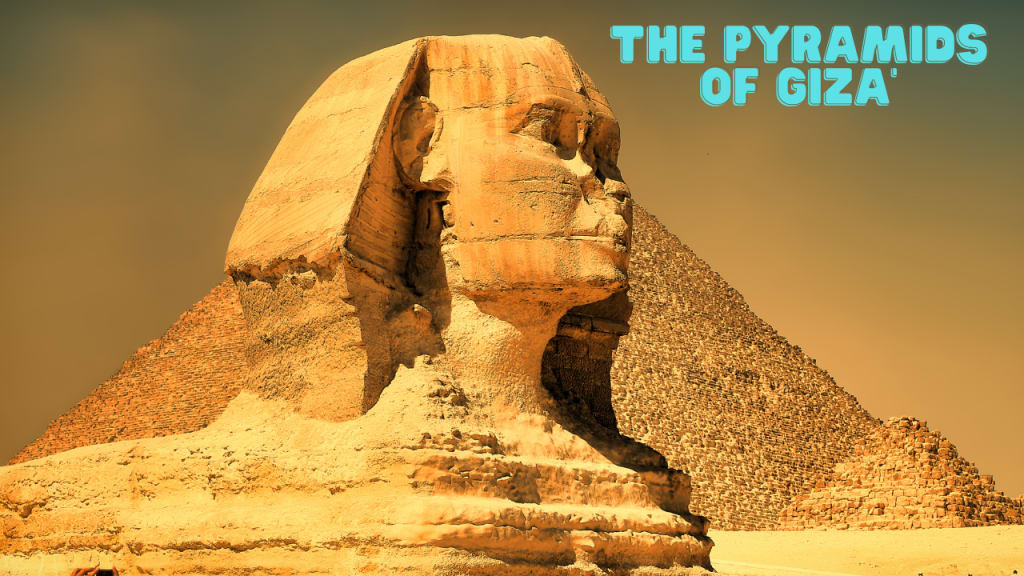
The Pyramids of Giza, located on the outskirts of modern-day Cairo, Egypt, stand as iconic testaments to the ingenuity and architectural prowess of ancient civilizations. These monumental structures have captivated the imagination of people across the globe for centuries.
Built as burial sites for the pharaohs of Egypt, the Pyramids of Giza continue to inspire awe and fascination, serving as a vivid reminder of the rich history and cultural heritage of the ancient world.
Astonishing Engineering Feats
Constructed over 4,500 years ago during the Old Kingdom period of ancient Egypt, the Great Pyramid of Giza, also known as the Pyramid of Khufu or the Pyramid of Cheops, is the largest and most famous pyramid of the three.
Its massive structure, composed of an estimated 2.3 million limestone blocks, each weighing several tons, stands as a testament to the remarkable engineering skills of the ancient Egyptians. It is believed that the pyramids were built using simple tools and an extensive labor force.
Mysteries and Secrets
The Pyramids of Giza have intrigued both historians and archeologists for centuries. These ancient wonders continue to conceal many secrets, such as the precise methods employed in their construction and the intricate mathematical calculations involved.
Theories and speculations about their construction range from advanced extraterrestrial intervention to the use of internal ramps and pulleys. Despite numerous studies, the exact techniques and processes used in building the pyramids remain a subject of ongoing research and debate.
The Sphinx: Guardian of the Pyramids
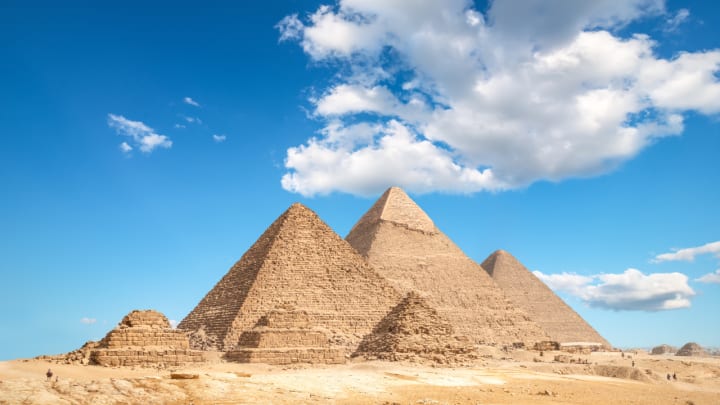
In close proximity to the pyramids stands the Great Sphinx, a colossal statue with the head of a human and the body of a lion. Carved from a single block of limestone, the Sphinx serves as a guardian and protector of the pyramids.
This enigmatic monument is believed to represent the pharaoh Khafre, who commissioned its construction. The Sphinx is not only a testament to the remarkable artistic skill of the ancient Egyptians but also adds an air of mystery and intrigue to the entire Giza plateau.
Symbolism and Cultural Significance
Beyond their architectural grandeur, the Pyramids of Giza hold immense cultural and symbolic significance. In ancient Egyptian beliefs, the pyramids represented the pharaoh's journey to the afterlife and their transition from mortal to divine.
These colossal structures were designed to ensure the eternal preservation of the pharaoh's body and soul. The pyramids were not merely tombs but served as spiritual conduits, connecting the earthly realm with the divine realm.
Preserving the Legacy
Despite the passage of millennia, the Pyramids of Giza have withstood the test of time, though not without some damage due to natural erosion and human activities. Today, conservation efforts are in place to safeguard these ancient marvels for future generations.
The Egyptian government, in collaboration with international organizations, continues to invest in research, restoration, and sustainable tourism practices to protect and preserve these archaeological treasures.
A Beacon of Tourism
The Pyramids of Giza remain one of the world's most visited tourist attractions, drawing millions of visitors from all corners of the globe each year.
Their mystical allure, historical significance, and awe-inspiring beauty continue to captivate the hearts and minds of people worldwide. Standing in the shadow of these ancient structures, one can't help but feel a profound sense of connection to the past and marvel at the remarkable achievements of humanity's early civilizations.
Conclusion
The Pyramids of Giza represent a testament to the ingenuity, ambition, and spiritual beliefs of the ancient Egyptians. These colossal structures, surrounded by an aura of mystery, continue to amaze and inspire people from all walks of life.
As we gaze upon the pyramids, we are transported back in time, humbled by the knowledge that even in an age before modern technology, humanity was capable of such remarkable feats of engineering and artistic expression. The Pyramids of Giza are not only a symbol of Egypt's rich cultural heritage but also a testament to the eternal quest of humanity to leave an indelible mark on the world.
Thanks for reading
Like share subscribe
About the Creator
10 Reasons Why a Monthly Car Rental Saves You More Than Buying a Car
Let’s be honest, owning a car in Dubai sounds great until you actually do the math. That new-car smell fades fast. The depreciation hits harder than expected. And suddenly, you’re juggling loan payments, insurance, parking fines, and that weird noise coming from the engine.
By Silverstone Rent a Car7 days ago in Journal




Comments
There are no comments for this story
Be the first to respond and start the conversation.