
Manaslu Circuit Trek: The Eco-Tourism Model of Nepal
Manaslu Circuit Trek: Nepal’s Eco-Tourism Model for Sustainable Adventure


Nepal, a country rich in natural beauty, diverse cultures, and towering mountains, has long been a dream destination for trekkers from around the world. Among its many world-class trekking routes, the Manaslu Circuit Trek stands out not only for its stunning landscapes but also for its commitment to eco-tourism and sustainable travel practices. This trek, which takes adventurers through the breathtaking Manaslu Conservation Area, is an excellent example of how eco-tourism can thrive while preserving the environment and benefiting local communities.
🌿 What Is Eco-Tourism?
Before diving into the specifics of how the Manaslu Circuit Trek incorporates eco-tourism, it’s important to understand the concept. Eco-tourism is a form of responsible travel to natural areas that conserves the environment, sustains the well-being of local people, and involves interpretation and education of the natural and cultural heritage of the destination. It’s about traveling with a consciousness of reducing one’s carbon footprint and ensuring that tourism does not harm the places you visit.
In the case of the Manaslu Circuit, this model is embraced not only through sustainable practices along the trail but also in the way the region has been developed as a trekking destination.
🏞️ The Manaslu Circuit: A Trek with a Purpose
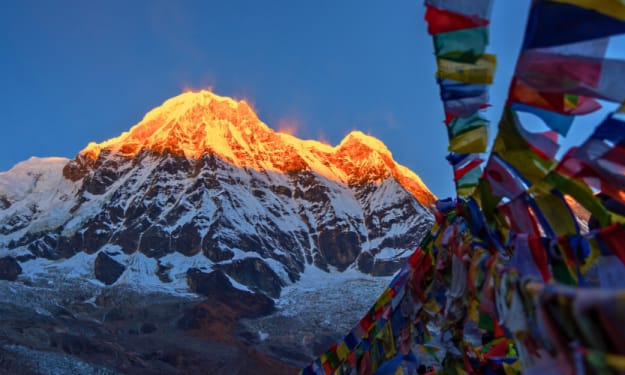
The Manaslu Circuit Trek is often considered one of Nepal’s most scenic and untouched routes. It takes trekkers around Mount Manaslu, the eighth-highest mountain in the world, through lush forests, alpine meadows, and Buddhist villages. The trek leads travelers through the Manaslu Conservation Area, a protected area designed to conserve the natural environment while promoting sustainable tourism.
The region is home to a wealth of biodiversity, including rare species such as the snow leopard, Himalayan tahr, and red panda. The trek also passes through culturally rich villages inhabited by the Tamang and Gurung communities, where trekkers get a taste of traditional Nepali and Tibetan culture.
🌱 Eco-Tourism Practices on the Manaslu Circuit
1. Conservation Area Management
One of the most significant factors in the success of eco-tourism on the Manaslu Circuit is the Manaslu Conservation Area (MCA), established in 1998. This conservation area covers 1,663 square kilometers of land and is managed by the National Trust for Nature Conservation (NTNC). The MCA is not only focused on preserving the natural environment but also on promoting sustainable tourism practices.
The MCA has introduced various measures that help conserve the region’s wildlife and ecosystems, such as:
Limiting the number of trekkers in the area to reduce the human impact.
Charging a conservation fee from trekkers, which contributes to the conservation of flora and fauna in the region.
Promoting the use of eco-friendly products, such as composting toilets, solar energy, and efficient waste management systems in tea houses.
2. Minimal Impact on Local Communities
The Manaslu Circuit Trek allows trekkers to experience authentic mountain communities while minimizing the impact of tourism. Local communities have a significant role in the development and maintenance of the trek, and eco-tourism benefits them directly.
Local guides and porters: Hiring local guides and porters ensures that the financial benefits of tourism stay within the communities, creating jobs and preserving local traditions.
Cultural Preservation: Local communities, especially the Tamang and Gurung, continue to practice their cultural traditions, which they proudly share with trekkers. This interaction promotes cultural exchange while preserving their way of life.
Support for Local Businesses: Many of the tea houses, restaurants, and lodges along the Manaslu Circuit are locally owned and operated. The business generated by trekking provides income for local families and supports the preservation of traditional livelihoods.
3. Waste Management
One of the biggest challenges of trekking in remote areas is the management of waste, especially plastic. The Manaslu Circuit has made strides in minimizing waste and promoting sustainable practices by:
Carrying out waste management programs: Efforts include the use of eco-friendly toilets and the careful disposal of waste in designated areas.
The “Carry In, Carry Out” Policy: Trekkers are encouraged to take all their waste, including used toilet paper and wrappers, out of the trekking region. This helps reduce pollution and ensures that the natural environment remains pristine.
Encouraging the use of refillable water bottles: To reduce plastic waste, many trekking agencies on the Manaslu Circuit provide clean water refill stations along the trail, reducing the need for single-use plastic bottles.
💚 Promoting Local Awareness and Education
A key aspect of eco-tourism is educating both travelers and locals on how to protect the environment and promote sustainability. On the Manaslu Circuit, this is achieved in several ways:
Trekking Permits and Fees: The fees collected from trekkers go directly towards supporting environmental protection initiatives. For example, the Manaslu Conservation Area Permit (MCAP) and Annapurna Conservation Area Permit (ACAP) contribute to maintaining the park and its infrastructure.
Local Environmental Programs: Local NGOs and community groups are actively involved in organizing awareness programs about the importance of conservation and responsible tourism. These programs focus on educating trekkers about how to minimize their ecological footprint and how to respect local culture and traditions.
🌄 The Role of Tourism in Sustainable Development
The Manaslu Circuit Trek is not only about eco-tourism—it also plays a vital role in the sustainable development of local communities. With limited access to the outside world, many villages along the route rely heavily on income from trekking tourism to sustain their local economies.
Infrastructure Development: Tourism revenues help fund the development of infrastructure, including roads, schools, and healthcare services. This leads to improved living standards in remote mountain communities.
Community Projects: The funds generated from trekking also support local initiatives like building schools, providing scholarships, supporting local women’s cooperatives, and other community welfare programs.
Promoting Sustainable Livelihoods: By relying on tourism as a source of income, communities can avoid over-exploiting natural resources, fostering sustainable livelihoods in a way that preserves the environment for future generations.
💡 Conclusion: A Model for Future Trekking Routes
The Manaslu Circuit Trek serves as an example of how trekking and tourism can be conducted in an eco-friendly and sustainable way. By incorporating sustainable practices, focusing on conservation, and ensuring that local communities benefit from tourism, the Manaslu region offers a blueprint for other trekking areas in Nepal and around the world.
As the popularity of trekking grows, more and more people are realizing the importance of choosing destinations that prioritize sustainability, environmental conservation, and respect for local cultures. The Manaslu Circuit Trek offers trekkers not just a physical challenge, but an opportunity to travel consciously and make a positive impact on the planet and its people.
If you're planning your next trekking adventure, consider exploring the Manaslu Circuit—where adventure meets sustainability, and every step you take helps preserve the natural beauty of Nepal. 🌱
About the Creator
Swotah Travel
Swotah Travel and Adventure
Keep reading
More stories from Swotah Travel and writers in Earth and other communities.
Tilicho Lake Trek: Exploring Nepal's Hidden Alpine Gem
Trekking in Nepal is synonymous with towering peaks, dramatic landscapes, and deep cultural experiences. While routes like the Everest Base Camp and Annapurna Circuit often steal the spotlight, the Tilicho Lake Trek stands as one of Nepal’s lesser-known gems. At a breathtaking altitude of 4,919 meters (16,138 feet), Tilicho Lake holds the title of one of the highest lakes in the world. This remarkable journey not only rewards trekkers with the magnificence of the lake but also offers spectacular views of the Annapurna Range, high-altitude landscapes, and a cultural deep dive into remote Himalayan life. This trek is ideal for those seeking an adventure off the beaten path.
By Swotah Travelabout a year ago in Education
“I’m a Motor Neurone Disease Specialist. I’ve Never Seen a Couch Potato Get MND”
Motor neurone disease (MND) is one of the most devastating neurological conditions, progressively affecting muscles and leading to loss of mobility, speech, and independence. Yet, according to specialists, certain lifestyle stereotypes—like the “couch potato”—are surprisingly not typical among MND patients.
By Aarif Lasharia day ago in Earth
The Summer I Was Chosen by a Northern Mockingbird
During the long, suspended days of the pandemic, a wild mockingbird began visiting my driveway and chose me, again and again. What started as a strange encounter became a brief, meaningful connection that I still carry with me.
By Erica Roberts 5 days ago in Petlife



Comments
There are no comments for this story
Be the first to respond and start the conversation.