
Tilicho Lake Trek: Exploring Nepal's Hidden Alpine Gem
Tilicho Lake Trek: A Hidden Himalayan Adventure to the World's Highest Lake

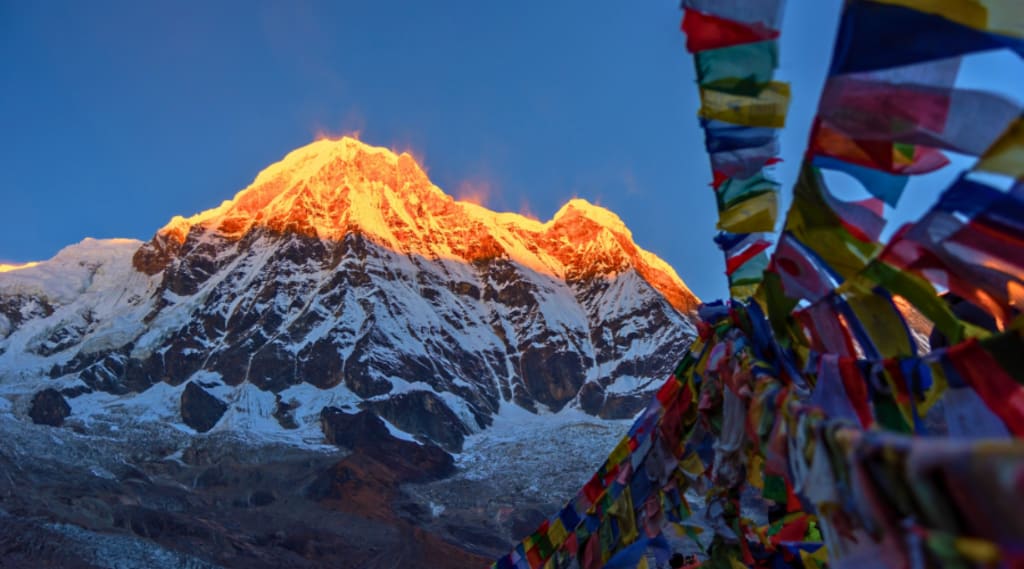
Trekking in Nepal is synonymous with towering peaks, dramatic landscapes, and deep cultural experiences. While routes like the Everest Base Camp and Annapurna Circuit often steal the spotlight, the Tilicho Lake Trek stands as one of Nepal’s lesser-known gems. At a breathtaking altitude of 4,919 meters (16,138 feet), Tilicho Lake holds the title of one of the highest lakes in the world. This remarkable journey not only rewards trekkers with the magnificence of the lake but also offers spectacular views of the Annapurna Range, high-altitude landscapes, and a cultural deep dive into remote Himalayan life. This trek is ideal for those seeking an adventure off the beaten path.
About Tilicho Lake
Tilicho Lake, nestled in the heart of the Manang District of Nepal, is a place of mythical beauty and reverence. Surrounded by rugged, snow-capped peaks, including Tilicho Peak, the lake remains frozen for much of the year, adding to its otherworldly charm. Its serene blue waters reflect the dramatic Himalayan backdrop, creating a striking contrast to the rocky and often barren landscapes that surround it.
While the trek to Tilicho Lake can be a side excursion from the Annapurna Circuit, it has gained popularity as a trek in its own right due to its raw, untouched beauty and the challenges it presents.
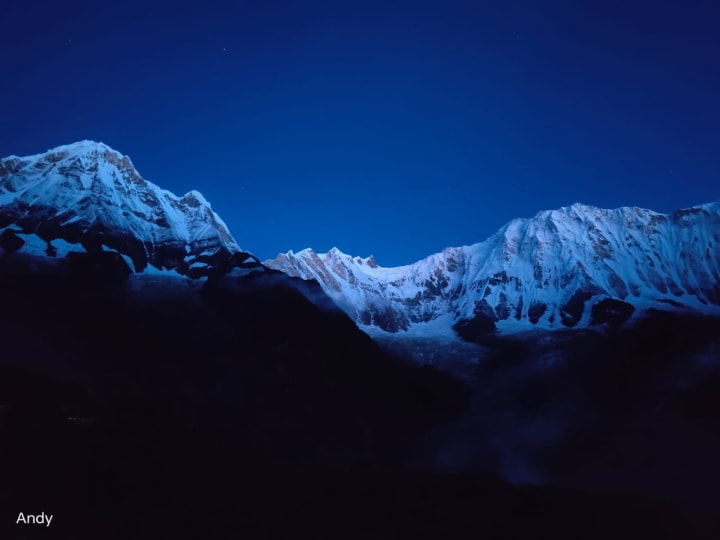
Main Attractions and Highlights of the Tilicho Lake Trek
Tilicho Lake: The crown jewel of the trek, Tilicho Lake, sits in the shadows of the towering Tilicho Peak (7,134 meters). The journey to the lake is arduous, but witnessing its pristine waters reflecting the nearby Annapurna and Gangapurna ranges is a truly spiritual experience.
Diverse Terrain: From lush green valleys, alpine meadows, and rocky cliffs to high-altitude deserts and glaciers, this trek offers an array of landscapes to satisfy every trekker’s wanderlust.
High-Altitude Adventure: Reaching nearly 5,000 meters, the trek pushes the limits of physical endurance, especially during the ascent to Tilicho Base Camp and the subsequent climb to the lake.
Remote Villages and Culture: The trek passes through traditional Tibetan-Buddhist villages where trekkers can interact with the Manangi and Thakali people, experiencing their unique customs, monasteries, and lifestyles.
Manang Village: A culturally rich and historic village, Manang offers breathtaking mountain views and an ideal spot for acclimatization. It is known for its stunning ancient monasteries and as a key stop for trekkers on the Annapurna Circuit.
A Typical Itinerary for the Tilicho Lake Trek
Day 1: Arrival in Kathmandu
After arriving in Kathmandu, trekkers spend the day preparing for the adventure. Necessary trekking permits (ACAP and TIMS) are obtained, and gear is checked before heading into the Himalayas.
Day 2: Drive to Chame (2,610 meters)
The trek begins with a scenic drive through lush valleys and rolling hills, leading to Chame, a small mountain town. The journey offers stunning views of the Annapurna range and the Marsyangdi River.
Day 3: Trek to Pisang (3,300 meters)
The trek starts with a steady climb through pine forests and picturesque villages. Pisang is a small, traditional village surrounded by a dramatic mountain landscape, with Annapurna II towering in the background.
Day 4: Trek to Manang (3,519 meters)
The trail from Pisang to Manang provides panoramic mountain views, passing through the cultural village of Braga, known for its ancient monasteries. Manang is a perfect acclimatization stop, with side hikes to Gangapurna Lake or nearby viewpoints.
Day 5: Acclimatization Day in Manang
To prepare for the higher altitudes ahead, trekkers spend an additional day in Manang. Optional hikes offer spectacular views of Annapurna and other surrounding peaks, while giving the body time to adapt to the elevation.
Day 6: Trek to Siri Kharka (4,060 meters)
Leaving the main Annapurna Circuit, the trail ascends steeply towards Siri Kharka. As the landscape shifts to alpine meadows and rocky terrain, trekkers begin to feel the effects of the higher altitude.
Day 7: Trek to Tilicho Base Camp (4,200 meters)
A shorter but steeper section of the trek leads to Tilicho Base Camp. This day’s trek requires extra caution due to the steep, rocky sections, but the scenery of glaciers and high mountains compensates for the effort.
Day 8: Visit Tilicho Lake (4,919 meters) and Return to Siri Kharka
This is the highlight of the trek. An early morning ascent to Tilicho Lake is challenging due to the high altitude, but reaching the lake's shores is a once-in-a-lifetime experience. Surrounded by towering snow-capped peaks, the lake’s clear blue waters and isolated beauty leave trekkers in awe. After taking in the sights, the trail leads back down to Siri Kharka for the night.
Day 9: Trek to Yak Kharka (4,040 meters)
After descending from the Tilicho route, trekkers return to the main Annapurna Circuit, heading towards Yak Kharka. The trail offers peaceful, high-altitude pastures and views of the Annapurna range.
Day 10: Trek to Thorong Phedi (4,450 meters)
The path to Thorong Phedi involves a steady climb through high-altitude terrain, where trekkers prepare for the demanding Thorong La Pass crossing. Thorong Phedi is the final resting point before attempting to cross one of the world’s highest trekking passes.
Day 11: Cross Thorong La Pass (5,416 meters) and Descend to Muktinath (3,800 meters)
The long and strenuous ascent to Thorong La Pass is the most challenging part of the trek. Upon reaching the summit, trekkers are rewarded with panoramic views of the Himalayan giants, including Dhaulagiri and Annapurna. The day concludes with a steep descent to Muktinath, a sacred pilgrimage site revered by both Hindus and Buddhists.
Day 12: Drive or Trek to Jomsom
The final leg of the trek descends to Jomsom, a windy town in the Kali Gandaki Valley. From here, trekkers either fly back to Pokhara or continue the trek to complete the Annapurna Circuit.
Best Time to Trek to Tilicho Lake
The ideal trekking seasons for the Tilicho Lake trek are spring (March to May) and autumn (September to November). During these months, the weather is stable, the skies are clear, and the trails are accessible, offering optimal conditions for trekking. The winter months (December to February) are extremely cold, with heavy snowfall making high passes impassable, while the summer (June to August) brings monsoon rains, making the trail muddy and prone to landslides.
Necessary Permits and Preparation
To embark on the Tilicho Lake trek, trekkers must obtain the Annapurna Conservation Area Permit (ACAP) and the Trekkers’ Information Management System (TIMS) card. These permits can be arranged in Kathmandu or Pokhara.
Proper preparation is essential for this high-altitude trek. Trekkers should be in good physical condition, as the trek involves steep ascents, rocky trails, and high passes. Altitude sickness can be a concern, so proper acclimatization and slow, steady trekking are crucial.
Essential items to bring include:
- Warm clothing suitable for high altitudes (layers are key)
- Trekking poles for balance on steep or rocky terrain
- High-quality trekking boots
- Sleeping bag rated for cold temperatures
- Water purification tablets
- First aid kit, including medications for altitude sickness
Conclusion
The Tilicho Lake trek is a rewarding and challenging experience that takes adventurers to one of the highest lakes in the world. Along with awe-inspiring natural beauty, it offers cultural encounters and the opportunity to walk through some of the most remote regions of the Himalayas. Though less frequented than other treks in Nepal, the Tilicho Lake trek provides a unique blend of physical challenge and peaceful solitude, making it one of Nepal's most unforgettable trekking destinations.
About the Creator
Swotah Travel
Swotah Travel and Adventure
Keep reading
More stories from Swotah Travel and writers in Education and other communities.
Off the Beaten Path Trekking Destinations of Nepal
Introduction Nepal, the land of the Himalayas, is a paradise for adventure lovers. It is well-known for its popular trekking destinations like Everest Base Camp, Annapurna Circuit, and Langtang Valley. But what about those who want to get off the beaten path and explore lesser-known trekking destinations in Nepal? Fear not, for Nepal has plenty of hidden gems that are waiting to be explored. In this article, we'll take a closer look at some of the off the beaten path trekking destinations of Nepal that will take your breath away.
By Swotah Travel3 years ago in Wander
The Lean Advantage: How Small Improvements Create Massive Business Wins
In today’s fast-moving market, businesses don’t always need massive overhauls to see major growth. The real competitive advantage often comes from Lean process improvement—small, consistent changes that reduce waste, improve speed, and strengthen customer value. With a proactive approach, companies can spot inefficiencies early, prevent recurring problems, and build smarter systems before minor issues become costly setbacks.
By Duke Valentour6 days ago in Education
Autonomy Is The Real Privilege
Good morning, freedom-seekers! Today we’re gonna be looking at autonomy. A strange word, I know; one many would probably look at blankly and run away from on sight. We’re gonna figure out what it actually means, consider how it’s achieved, and decipher just how deeply most of us are tangled up in dependence without realising it.
By That ‘Freedom’ Guy5 days ago in Humans



Comments
There are no comments for this story
Be the first to respond and start the conversation.