
Malawi’s Agricultural Crisis: Insufficient Maize Supply in 2024-2025
Climate Change
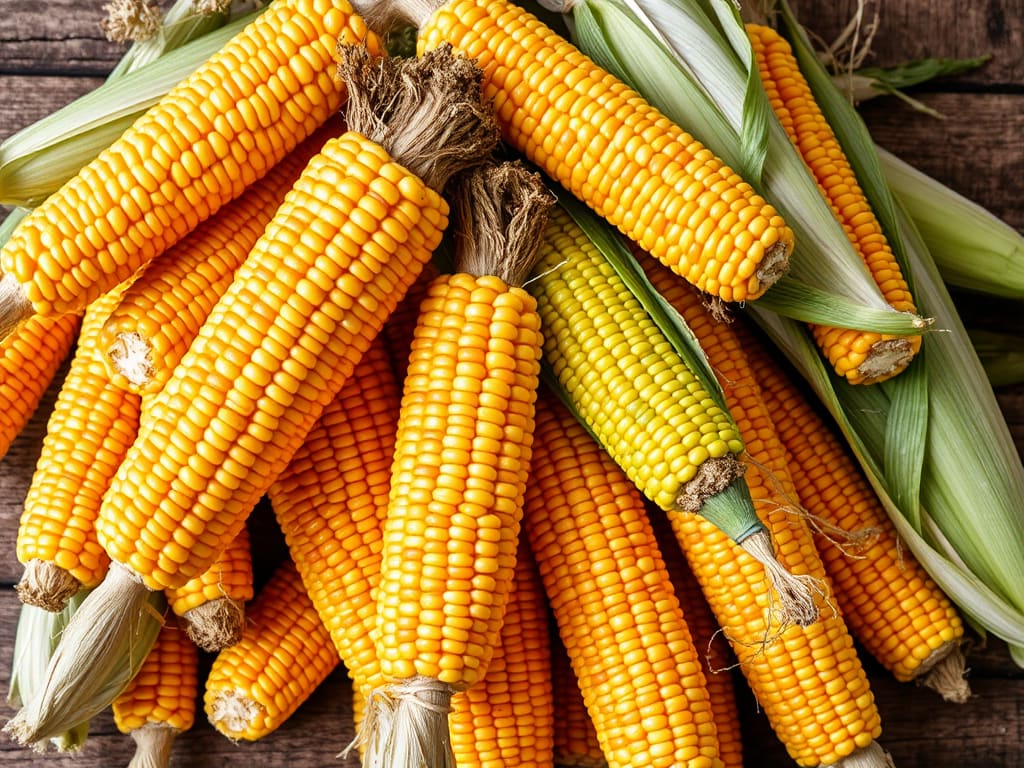
In the heart of southeastern Africa lies Malawi, a nation predominantly reliant on subsistence farming, where the primary staple is maize. This grain not only sustains the populace but also constitutes the backbone of the country’s agrarian economy. The year 2024-2025, however, marked a turning point as Malawi faced a significant agricultural crisis characterized by insufficient maize supply, with repercussions reverberating throughout the nation.
The Impact of Climate Change
As the rainy season commenced, there was a palpable sense of optimism among the farmers of Malawi. For generations, their lives had been intertwined with the rhythm of the land, planting seeds with great hope and anticipating bountiful harvests. Yet, this season unfolded differently. Erratic weather patterns, exacerbated by the effects of climate change, imposed an unprecedented challenge. Prolonged drought conditions in some regions and torrential rainfall in others led to crop failure on a scale not previously witnessed.
On the banks of the Shire River, where lush fields once thrived, farmers like Peter Mwale, a dedicated subsistence farmer, faced an insurmountable struggle. “In past years, maize was plentiful. We grew enough to feed our families and sell a little for school fees,” Peter lamented. He illustrated the grim reality: his once-bustling farm now bore the scars of failed crops, and his family faced food insecurity. The maize that was once a symbol of prosperity had transformed into an elusive dream, leaving him and countless other farmers in desperation.
The climatic upheavals not only affected the quantity of maize produced but also its quality. Pests and diseases proliferated in the unstable weather conditions, further diminishing crop yields. The situation was compounded by a lack of access to modern agricultural technologies and practices, which could have provided farmers with tools to adapt to these changes. The reliance on traditional farming methods, while culturally significant, proved inadequate in the face of such extreme environmental shifts.
Economic Consequences
The international community observed this crisis with increasing alarm. As the government of Malawi scrambled to mitigate the impending famine, it engaged with agricultural NGOs to offer support. However, logistical challenges and limited resources hindered effective intervention. Emergency food relief, while essential, could not substitute for long-term sustainable farming practices. The reliance on maize as the primary crop left farmers vulnerable, highlighting the urgent need for diversification and resilience in agricultural practices.
In urban centers, the implications of insufficient maize supply were equally dire. Prices for maize soared, straining household budgets and leading to unrest as citizens struggled to meet basic needs. The average cost of maize nearly tripled in some areas, making it unaffordable for many families. Entire communities rallied to support those most affected, demonstrating resilience in the face of adversity. Local markets were flooded with discussions surrounding food security and the stark reality that a single crop could define a nation’s fate.
Moreover, the economic repercussions extended beyond food prices. The agricultural sector is a significant employer in Malawi, and the crisis led to increased unemployment and reduced income for many families. Small businesses that relied on the agricultural supply chain began to falter, further exacerbating the economic downturn. As the crisis deepened, the government faced mounting pressure to take decisive action, but resources were limited, and the road to recovery seemed daunting.
Strategies for Resilience and Sustainability
To combat future crises, Malawian officials began exploring initiatives aimed at improving agricultural practices and irrigation systems, with a focus on climate adaptability. Education programs on sustainable farming, the introduction of drought-resistant maize varieties, and the promotion of alternative crops emerged as vital strategies to ensure food security. These initiatives aimed not only to address the immediate crisis but also to build a more resilient agricultural framework for the future.
Collaboration with international organizations and agricultural experts became paramount. Programs focused on training farmers in sustainable practices, such as crop rotation and organic farming, were introduced. Additionally, community-based seed banks were established to provide farmers with access to diverse crop varieties that could withstand adverse weather conditions. These measures aimed to reduce the over-reliance on maize, encouraging farmers to cultivate a wider range of crops that could contribute to their livelihoods.
The government also recognized the importance of improving irrigation systems to combat the effects of erratic rainfall. Investments in infrastructure, such as dams and water management systems, were prioritized to enhance water availability for farming. However, the path was fraught with obstacles, ranging from financial constraints to the need for widespread societal change.
A United Response
Thus, the agricultural crisis of 2024-2025 served as a crucial lesson for Malawi. A nation deeply dependent on maize was forced to reckon with the fragility of its agricultural system. While the immediate challenges appeared daunting, the resolve of Malawians presented a glimmer of hope. United by their shared struggles and the resilience of the human spirit, Malawi's farmers and citizens began to envision a future where food security was no longer a distant dream but an achievable reality—an endeavor requiring collective commitment and innovative solutions.
Grassroots movements emerged, advocating for policy changes and increased support for sustainable agriculture. Community leaders worked tirelessly to engage local governments, emphasizing the importance of investing in agriculture as a means of fostering economic stability and food security. This collective action underscored the notion that addressing food insecurity was not solely the responsibility of the government but a shared duty among all citizens.
As they sow seeds of change, the lessons from this crisis could pave the way for a more robust agricultural framework, ensuring that the fields of Malawi can flourish once again. The resilience demonstrated by farmers like Peter Mwale serves as a testament to the human capacity for adaptation and survival. By learning from the past and embracing innovative practices, Malawi has the potential to transform its agricultural landscape and secure a more sustainable future for its people.
In conclusion, while the agricultural crisis of 2024-2025 posed significant challenges for Malawi, it also provided an opportunity for reflection and growth. The need for diversification, sustainable practices, and community engagement emerged as critical components of a resilient agricultural system. With united efforts and a commitment to change, Malawi can strive towards a future where food security is not just a goal but a reality for all its citizens.
About the Creator
Keep reading
More stories from joseph ganthu and writers in Earth and other communities.
Natural Disaster Shakes the Nation
It was a typical Friday evening in Papua New Guinea on July 17, 1998. The sun was setting over the northern coast, casting a warm orange glow over the villages and towns. But in an instant, the tranquility was shattered by a devastating tsunami that would change the nation forever.
By joseph ganthu12 months ago in Earth
The Ongoing Search for Water on Mars
For decades, scientists have been fascinated by the possibility of water on Mars. Known for its dry, dusty landscape and reddish appearance, Mars was once thought to be a completely barren world. However, modern discoveries have revealed that the planet may have once had abundant water—and scientists are still searching for evidence of it today.
By Irshad Abbasi 5 days ago in Earth



Comments
There are no comments for this story
Be the first to respond and start the conversation.