
Maa Kushmanda: The Divine Creator and Healer of Navratri's Fourth Day
Celebrating Maa Kushmanda: Rituals, Beliefs, and Significance in Navratri

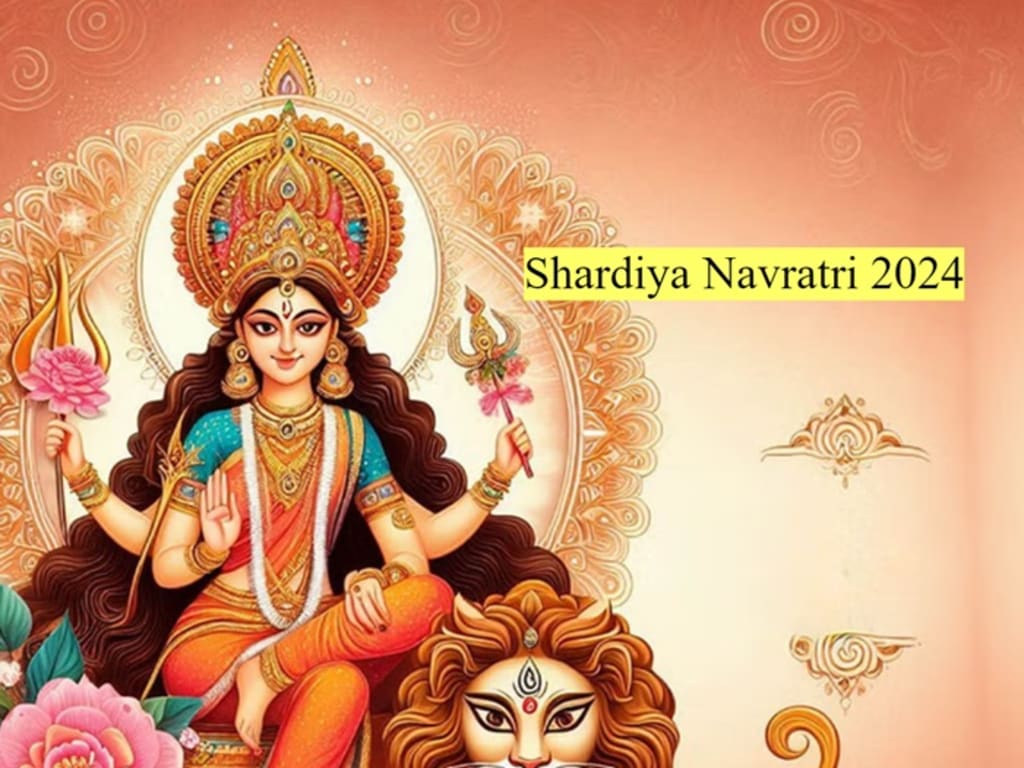
Maa Kushmanda is worshipped on the fourth day of Shardiya Navratri, which in 2024, falls on October 6th. This day is considered very special in Hindu culture, as Maa Kushmanda is one of the nine forms of Goddess Durga, known for her power of creation and her nurturing qualities. She is worshipped with great devotion and special rituals during Navratri, and her blessings are sought for happiness, prosperity, and spiritual enlightenment.
Importance and Significance of Maa Kushmanda
Maa Kushmanda is believed to be the Goddess who created the universe with her divine smile when there was nothing but darkness. Before her creation, the universe was filled with void and nothingness. With her powerful laughter, she infused light into the cosmos, bringing life and order into the world. This is why she is known as the "Creator of the Universe."
The name "Kushmanda" is a combination of three words: "Ku," meaning little; "Ushma," meaning warmth or energy; and "Anda," meaning cosmic egg. Together, it symbolises the belief that she is the source of all warmth, energy, and creation, and the one who brought life into existence.
Her creation powers are what make her so revered. She is also believed to reside in the core of the sun, controlling its energy, and that’s why she is worshipped for her power to provide warmth, light, and life to the world.
Iconography: The Appearance of Maa Kushmanda
Maa Kushmanda is usually depicted with eight arms, each holding important symbols that represent her divine powers. These symbols include:
Kamandal (Water Pot): Represents purity and spiritual growth.
Bow and Arrow: Symbolises her ability to destroy evil and protect the good.
Lotus: A symbol of beauty, purity, and detachment from worldly desires.
Nectar Pot (Amrit Kalash): Represents health, vitality, and long life.
Discus (Chakra): A symbol of time and its unstoppable nature, representing her control over the cosmic cycles.
Mace (Gada): Symbolises strength and the power to overcome negativity.
Rosary (Japa Mala): Represents the power of meditation and spiritual wisdom.
Her Eighth Hand: Holds different symbols in various depictions but is often seen in a blessing gesture.
Maa Kushmanda rides a lion, which symbolises strength and courage. The lion represents her fierce nature and her ability to protect her devotees from harm. Despite being the creator, she is also seen as a warrior who can destroy the darkness and negativity in the world.
Rituals and Worship of Maa Kushmanda
The fourth day of Navratri is dedicated to worshipping Maa Kushmanda with special prayers and rituals. Devotees wake up early, take a holy bath, and clean their homes to prepare for her puja. The atmosphere is filled with devotion and joy, as families come together to worship the Goddess.
Here are some of the important rituals and practices followed on this day:
Puja Timing: Early morning is considered the best time to perform the puja, as it is believed that this time allows for maximum spiritual benefits.
Mantra for Worship: Devotees chant the following mantra while offering prayers to Maa Kushmanda:
सुरासम्पूर्ण कलशं रुधिराप्लुतमेव च।
दधाना हस्तपद्माभ्यां कूष्माण्डा शुभदास्तु।।
This mantra is believed to bring blessings of prosperity, health, and spiritual well-being.
Offerings: Devotees offer special food items like kheer (a sweet dish made of milk and rice) and malpua (a type of sweet pancake) to the Goddess. These offerings are later distributed among family members and devotees as prasad (blessed food).
Special Fasting: Many devotees observe a fast on this day, abstaining from eating grains, salt, or certain food items. The fast is broken after the puja, with the prasad.
Dress Code: On this day, women are encouraged to wear green sarees, as the colour green symbolises nature, prosperity, and new beginnings. Green also represents growth and harmony, which are qualities associated with Maa Kushmanda.
Kumari Puja: A special ritual known as Kumari Puja is performed, where four young girls, representing the form of the Goddess, are invited to the home and offered food, new clothes, and gifts. This is done to honour the divine feminine energy present in every girl child.
Cultural Practices Associated with Maa Kushmanda Worship
Apart from the rituals, there are several cultural practices and beliefs that are closely associated with the worship of Maa Kushmanda. These practices are meant to strengthen the connection between the devotee and the Goddess, and they foster community participation and spiritual growth.
Group Prayers: In many places, people gather in temples or community centres to perform group prayers and sing devotional songs (bhajans) dedicated to Maa Kushmanda. This collective worship brings the community closer and creates a positive and spiritual atmosphere.
Special Decorations: Homes and temples are beautifully decorated with flowers, lights, and other auspicious items. The atmosphere is filled with joy and positivity as devotees welcome the Goddess into their homes and hearts.
Charity and Good Deeds: Many devotees engage in acts of charity on this day, believing that helping those in need pleases the Goddess and brings her blessings. Feeding the poor, donating clothes, and helping the less fortunate are common practices during this time.
Beliefs Associated with Maa Kushmanda
Devotees believe that worshipping Maa Kushmanda brings relief from all kinds of pain and suffering. Her divine energy is thought to heal physical, emotional, and spiritual wounds, bringing peace and prosperity into the lives of her devotees. Here are some key beliefs associated with her worship:
Alleviation of Pain: Worshipping Maa Kushmanda is believed to alleviate physical and mental pain. She is considered the healer of all suffering, and her devotees pray to her for relief from diseases, stress, and negativity.
Prosperity and Wealth: As the Goddess of creation, Maa Kushmanda is also associated with wealth and abundance. Her devotees believe that offering prayers to her brings prosperity into their homes and helps them overcome financial difficulties.
Spiritual Growth: Maa Kushmanda is believed to guide her devotees towards spiritual enlightenment. Regular prayers and meditation on her form are said to help individuals connect with their inner selves and experience the divine presence in their lives. She blesses her devotees with wisdom, spiritual knowledge, and inner peace.
Strength and Courage: Maa Kushmanda’s fierce form and her lion mount symbolise the strength and courage needed to overcome obstacles in life. Her devotees seek her blessings to face challenges with bravery and resilience.
Maa Kushmanda holds a special place in Hindu mythology and is revered for her creation powers and nurturing qualities. Her worship during Navratri is marked by specific rituals, prayers, and cultural practices that bring people together and foster spiritual growth.
Mantra
1. Moola Mantra
This is the main mantra dedicated to Maa Kushmanda:
ॐ ऐं ह्रीं क्लीं कूष्माण्डायै नमः॥
Om Aim Hreem Kleem Kushmandayai Namah॥
This mantra is chanted to invoke the blessings of Maa Kushmanda for health, prosperity, and spiritual growth.
2. Dhyana Mantra
This mantra is used during meditation on Maa Kushmanda:
सुरासम्पूर्ण कलशं रुधिराप्लुतमेव च।
दधाना हस्तपद्माभ्यां कूष्माण्डा शुभदास्तु।।
Surya Sampurna Kalasam Rudhira Plutameva Cha |
Dadhana Hastapadmabhyam Kushmanda Shubhamastu ||
This mantra means: “O Goddess Kushmanda, holding two pots filled with celestial nectar and blood, may you bring auspiciousness and blessings upon us.”
3. Stotra Mantra
This is a longer mantra that praises the qualities of Maa Kushmanda:
या देवी सर्वभूतेषु माँ कूष्माण्डा रूपेण संस्थिता।
नमस्तस्यै नमस्तस्यै नमस्तस्यै नमो नमः॥
Ya Devi Sarvabhuteshu Maa Kushmanda Rupena Samsthita |
Namastasyai Namastasyai Namastasyai Namo Namah ||
This mantra means: “Salutations to the Goddess who exists in all beings in the form of Maa Kushmanda. I offer my reverence and devotion to you.”
4. Kushmanda Kavach Mantra
This mantra is a protective chant to seek Maa Kushmanda’s protection from all forms of negativity and evil:
हसौ: हसौ: सकल मंगल मंगले हसौ: हसौ: सर्व काम प्रदायिनी।
हसौ: हसौ: कूष्माण्डायै नमः।
Hasau Hasau Sakala Mangala Mangale |
Hasau Hasau Sarva Kama Pradhayini ||
Hasau Hasau Kushmandayai Namah ||
5. Beej Mantra
The Beej Mantra contains the seed syllables associated with Maa Kushmanda and is chanted for general blessings and spiritual energy.
ॐ ह्रीं क्लीं सौः कूष्माण्डायै नमः।
Om Hreem Kleem Sauh Kushmandayai Namah॥
These mantras are traditionally chanted in the morning or during the puja of Maa Kushmanda, as they are believed to invoke her presence, protection, and blessings. Chants can be repeated 108 times (in rounds) using a mala (prayer beads) for maximum benefit and focus.
FAQs
1. Who is Maa Kushmanda?
Maa Kushmanda is the fourth form of Goddess Durga, worshipped during Navratri. She is known as the creator of the universe, believed to have brought light to the cosmos with her smile.
2. What does the name "Kushmanda" mean?
The name "Kushmanda" comes from three words: "Ku" (little), "Ushma" (warmth or energy), and "Anda" (cosmic egg). Together, they signify that she is the source of life and warmth, responsible for the creation of the universe.
3. What is the significance of Maa Kushmanda's eight arms?
Maa Kushmanda is depicted with eight arms, each holding symbols of power and protection, such as a bow, arrow, lotus, kamandal (water pot), mace, discus, nectar pot, and rosary. These symbolise her role as a creator and protector.
4. Why is Maa Kushmanda worshipped on the fourth day of Navratri?
Each day of Navratri is dedicated to one form of Goddess Durga. Maa Kushmanda is worshipped on the fourth day as it is believed that her energy and blessings help devotees build a strong foundation for health, prosperity, and spiritual growth.
5. What offerings are made to Maa Kushmanda during Navratri?
Devotees often offer kheer (sweet rice pudding) and malpua (sweet pancakes) to Maa Kushmanda. These foods are believed to please her, and she grants her devotees good health and happiness.
6. What colour is associated with Maa Kushmanda?
The colour green is associated with Maa Kushmanda. Devotees, especially women, often wear green attire on this day as it represents growth, nature, and prosperity.
7. What is the mantra dedicated to Maa Kushmanda?
A commonly chanted mantra for Maa Kushmanda is:
Copy code
ॐ ऐं ह्रीं क्लीं कूष्माण्डायै नमः॥
Om Aim Hreem Kleem Kushmandayai Namah॥
Chanting this mantra is believed to bring the Goddess’s blessings for prosperity, health, and spiritual peace.
8. What are the benefits of worshipping Maa Kushmanda?
Devotees believe that worshipping Maa Kushmanda relieves them from suffering and negativity, brings prosperity, and enhances spiritual growth. She is also said to provide strength and courage to overcome life’s obstacles.
9. What is Kumari Puja, and why is it done on this day?
Kumari Puja is a ritual where young girls, symbolising the Goddess herself, are worshipped. On the fourth day of Navratri, devotees often feed four young girls as part of the worship to honour the feminine divine energy.
10. How does Maa Kushmanda help in spiritual growth?
Maa Kushmanda is known as the Goddess of Creation and Wisdom. Her blessings are believed to help devotees attain spiritual enlightenment, meditate deeply, and develop inner peace and wisdom.
About the Creator
DINESH KUMAR SHARMA
i am a writer and a investor
Keep reading
More stories from DINESH KUMAR SHARMA and writers in Earth and other communities.
Best yoga poses?
Yoga offers a wide variety of poses that can benefit both beginners and experienced practitioners. Each pose targets different aspects of physical, mental, and emotional health. Here are some of the best and most popular yoga poses, along with their benefits:
By DINESH KUMAR SHARMAabout a year ago in Earth
Man Shot Dead by Police After Aiming Bow and Arrow at Officers
A man has been shot dead by police after allegedly aiming a bow and arrow at officers, authorities have confirmed. The fatal encounter has triggered public debate over police use of force, crisis response protocols, and how law enforcement handles situations involving unconventional weapons.
By Aarif Lashari3 days ago in Earth
Wild Card Weekend Recap: What Happens Now?
I think I figured out why I love Wild Card Weekend so much. It's because it's the first playoff anything of the calendar year. The NFL season starts in the fall, and once upon a time, the champion was crowned either on or slightly before New Year's. The evolution of the NFL schedule has resulted in the playoffs starting just into the New Year, and currently, the final week of the season falls on the first weekend of the New Year, with Wild Card Weekend coming a week after that. So yes, chronologically, the NFL's Wild Card Weekend serves as the first playoff anything of the calendar year.
By Clyde E. Dawkins6 days ago in Unbalanced



Comments
There are no comments for this story
Be the first to respond and start the conversation.