
Loss of biodiversity
Impact on ecosystems and human well-being.

Loss of biodiversity refers to the ongoing decline in the variety and abundance of plant and animal species in various ecosystems around the world. This loss of diversity can occur due to various factors, including habitat destruction, climate change, pollution, invasive species, and overexploitation of natural resources. The consequences of biodiversity loss are far-reaching and have significant impacts on both ecosystems and human well-being.
Impact on Ecosystems:
Disruption of Ecosystem Functioning: Biodiversity is essential for the functioning of ecosystems. Different species play specific roles in their environments, such as pollination, seed dispersal, nutrient cycling, and pest control. When species disappear, the delicate balance of ecological processes can be disrupted, leading to negative impacts on the entire ecosystem.
Reduced Resilience: Biodiverse ecosystems tend to be more resilient and better able to recover from disturbances like natural disasters or climate events. With the loss of biodiversity, ecosystems become more vulnerable, making them less able to cope with environmental changes and more susceptible to collapse.
Increased Vulnerability to Disease: In diverse ecosystems, diseases often have a harder time spreading since there are multiple species acting as buffers. When biodiversity declines, the risk of diseases spreading rapidly within a single species or across species can increase, leading to potential outbreaks.
Decline in Ecosystem Services: Biodiversity loss directly affects the provision of essential ecosystem services such as clean air and water, food production, climate regulation, and carbon sequestration. As species disappear, the ability of ecosystems to provide these services diminishes, impacting human well-being.
Impact on Human Well-being:
Food Security: Biodiversity loss can have a direct impact on food security. A significant proportion of the global population relies on a few key crops and livestock for sustenance. If these species are lost due to disease outbreaks or environmental changes, it can threaten food supplies and nutrition.
Health Risks: Many medicines and drugs are derived from natural sources, such as plants and animals. As biodiversity declines, potential sources of new medications and treatments for diseases may be lost. Additionally, changes in ecosystem functioning can lead to increased exposure to pollutants and disease vectors, affecting human health.
Economic Implications: Biodiversity loss can have economic consequences, particularly for communities that depend on ecosystem services for their livelihoods, such as fishing, agriculture, and tourism. The decline of these services can lead to unemployment, poverty, and social instability.
Cultural and Recreational Value: Biodiversity is essential to cultural identity and recreational activities. Many indigenous and local communities have deep cultural connections to their environments and depend on them for traditional practices and spirituality. The loss of biodiversity can erode cultural heritage and limit opportunities for outdoor recreation and ecotourism.
Conservation and Solutions:
Addressing biodiversity loss requires collective action and conservation efforts. Conservation initiatives should focus on preserving and restoring habitats, implementing sustainable land-use practices, and protecting vulnerable species. Strengthening legislation and enforcing regulations to combat illegal wildlife trade and prevent habitat destruction is crucial. Promoting responsible consumption and raising awareness about the importance of biodiversity can drive behavioral change. Collaboration between governments, organizations, and local communities is essential for effective conservation strategies. Investing in research, technology, and education can provide innovative solutions to mitigate biodiversity loss and promote sustainable coexistence between humans and nature.
To address the loss of biodiversity and its consequences, efforts must be made at local, national, and global levels to protect and restore ecosystems, implement sustainable practices, and reduce human impacts on the natural world. Conservation efforts, protected areas, and sustainable development are critical steps to safeguard biodiversity and promote human well-being.
About the Creator
Keep reading
More stories from writers in Earth and other communities.
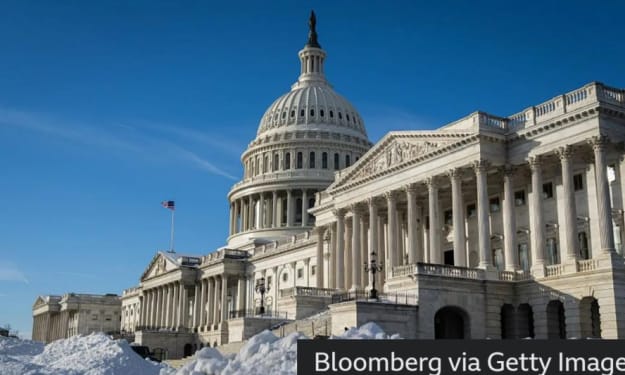
US Government Partially Shuts Down Despite Last-Minute Funding Deal
The United States government has entered a partial shutdown, even after lawmakers announced a last-minute funding deal intended to avert disruption. The development highlights persistent political gridlock in Washington and underscores how narrow margins, internal party divisions, and procedural delays can still trigger government paralysis.
By Aarif Lashari4 days ago in Earth
Paul Kimmage: Our Rowers Were the Best of Us and They Were Treated Disgracefully
Sports journalist Paul Kimmage has sparked intense debate after claiming that national rowing athletes — described as “the best of us” — were treated disgracefully by those responsible for managing and supporting them. His comments have reignited wider discussions about athlete welfare, governance standards, and how elite sports systems treat the people who deliver success on the global stage.
By Aarif Lashari3 days ago in Earth
Cabin Fever Because of Snow, Sleet, and Freezing Rain That Turned to Icy Roads
What Is Cabin Fever? The short answer is that cabin fever is restlessness from being in a confined area. Cabin fever is the distressing irritability or restlessness experienced when a person or group is stuck at an isolated location or in confined quarters for an extended time. Research shows that prolonged cold, gray skies, and being stuck indoors can trigger mood shifts similar to “winter blues.”
By Margaret Minnicks3 days ago in Humans



Comments
There are no comments for this story
Be the first to respond and start the conversation.