
Losing Yourself in the Patterns of Nature: A Profound Journey into Connection and Reflection
A Quiet Exploration of What Nature Mirrors Back to Us


Introduction
Have you ever paused just to stare at a snowflake or a leaf and felt that spark of wonder? Humans have always been drawn to nature’s intricate patterns. These shapes and designs seem to whisper secrets about life and us. Understanding these natural patterns isn’t just pretty—it can boost our mindfulness, spark creativity, and improve our mental health. When we dive into the patterns of the natural world, we find more than beauty—we find ourselves.
The Science Behind Nature’s Patterns and Our Brain's Response
Understanding Natural Patterns
Nature loves repeating shapes. Think of fractals like tree branches or coastlines—they repeat in smaller pieces that echo the larger form. Symmetry is everywhere—on butterfly wings, flower petals, and even in our faces. Spirals guide the growth of galaxies, seashells, and hurricane clouds. Tessellations, the tile-like patterns, appear in honeycombs and stone surfaces alike. Examples of these natural patterns are everywhere. Snowflakes each have unique fractal designs. The veins in leaves mirror the fractal shapes seen in ferns. The jagged outline of coastlines resembles a chaotic but patterned boundary. Galaxy formations spin in spirals, creating cosmic artworks beyond our reach.
Psychological Impact of Natural Patterns
When you gaze at natural patterns, your brain calms down. Studies reveal that exposure to nature reduces the level of cortisol—the stress hormone—in our bodies. This explains why a walk in a forest can make us feel more relaxed. Natural patterns give our minds a visual break from chaos, offering a soothing effect that promotes peace and clarity.
The Neuroscience of Pattern Recognition
Humans are wired to find meaning in patterns. Our brains light up when recognizing familiar shapes or sequences. This ability helps us navigate, learn, and solve problems. Pattern recognition fuels our imagination and emotional stability. It’s why seeing a pattern in chaos feels satisfying—it taps into our deepest wiring for order and connection.
Connecting with Nature’s Patterns for Personal Growth
Mindfulness and Meditation in Natural Environments
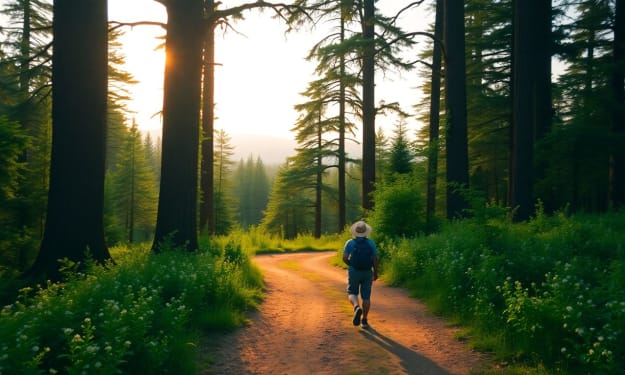
You don’t need a long retreat to connect; even a simple walk outside can be enough. Focus on observing the shapes and repetitions around you—leaves, clouds, rocks. This focused attention calms your mind, reduces anxiety, and sharpens concentration. Regular practice turns noticing patterns into a tool for emotional resilience.
Learning from Nature’s Design
Nature’s patterns aren’t just pretty—they’re teachers. They show resilience, adaptability, and harmony, and we can learn from them. Biomimicry—copying nature’s solutions—drives innovation in architecture and technology. For example, termite mounds inspired buildings that naturally stay cool without air conditioning. Nature’s design can guide us toward sustainable solutions and a balanced life.
Cultivating Creativity Through Pattern Observation
Looking at natural patterns sparks ideas. Artists, designers, and scientists often find inspiration in the spirals of shells or the fractals in ferns. Try observing a leaf or a cloud, then challenge yourself to create something or solve a problem from that view. These moments of mindful observation unlock new ways of thinking.
The Role of Patterns in Seasonal Cycles and Ecosystems
Recognizing Cycles in Nature
Nature moves in cycles—spring flowers bloom, summer heat, fall leaves, and winter snow. Recognizing these rhythms helps us sync with our bodies and minds. Our personal cycles, like energy highs and lows, often align with these natural changes. Tuning into seasonal shifts can bring a sense of harmony.
Ecosystem Interdependence and Pattern Complexity
Ecosystems are full of complex patterns—pollinators rely on plants, and predators control prey populations. These interwoven designs show ecological balance. Respect for these patterns is crucial for protecting our environment. When we understand nature’s complexity, we see why sustainability isn’t just a trend but essential.
Applying Ecosystem Patterns to Personal Life
Living in tune with natural cycles can improve our well-being. For example, slowing down during winter and energizing in spring helps us stay balanced. Gardening or reducing waste in sync with seasons deepens our respect for nature. Small changes, like using seasonal foods, make a big difference.
Exploring Cultural and Spiritual Significance of Natural Patterns
Traditional and Indigenous Perspectives
Many cultures see patterns as symbols of unity and life’s continuous flow. Celtic knots, ancient mandalas, and Native American designs—all reflect the interconnectedness of life. These patterns often carry spiritual meaning, linking us to ancestors and nature’s wisdom.
Patterns as Symbols of Unity and Continuity
Patterns remind us that life is ongoing—no start or end, just continuous flow. They symbolize our connection with others and the universe. Recognizing these symbols helps us feel part of something bigger and more enduring.
Practices that Harness the Power of Natural Patterns
Creating mandalas, engaging in nature meditation, or simply doodling natural shapes can boost mental health. These practices help us center ourselves and invite calm. Experts find that such activities can improve mood and foster spiritual growth by immersing us in natural beauty.
Overcoming Modern Disconnection from Natural Patterns
The Impact of Urbanization and Technology
Today, many spend hours looking at screens, missing out on natural patterns. This “nature deficit” can lead to stress, anxiety, and a weaker bond with the environment. Statistics show that increasing screen time correlates with mental health issues.
Reconnecting with Nature in Daily Life
You can bring nature into your routine easily. Take short walks, start a garden, or do eco-creative activities. Notice the shapes, textures, and patterns around you each day. Even a moment of mindful observation can reset your mood and sharpen your focus.
Fostering Environmental Stewardship
Respect for natural patterns encourages us to live sustainably. Simple steps—reducing waste, planting native species, and supporting conservation—protect the delicate designs of our world. Educating ourselves and others keeps those patterns alive for generations to come.
Conclusion: Embracing the Unseen Patterns Within and Around Us
The natural world holds endless patterns waiting to be noticed. Recognizing these shapes and rhythms deepens our connection to nature and boosts our mental health, creativity, and resilience. When we slow down and observe, we uncover beauty and wisdom in the smallest details. Remember, even in the chaos, there’s order—patterns waiting to guide us back to ourselves and the earth. By taking small steps—walks, reflection, mindful living—we can restore that vital link to natural harmony. The world’s intricate design isn’t just outside—it lies within us, waiting for us to see.
🙌 If you enjoyed this story, don’t forget to follow my Vocal profile for more fresh and honest content every day. Your support means the world!
About the Creator
vijay sam
🚀 Sharing proven affiliate marketing tips, smartlink strategies, and traffic hacks that convert. Follow for insights, tools, and real results to help you earn smarter—whether you're just starting or scaling up!
Gothic Gardening: Embracing Drama with Dark Foliage and Flowers
There is a garden aesthetic that rejects the bright and cheerful in favor of the mysterious and dramatic. It embraces shadows rather than sunlight, depth rather than dazzle. It finds beauty in darkness—in leaves the color of aged wine, in flowers so deep purple they appear black, in forms that suggest ancient forests and moonlit mysteries.
By Emma Wallace3 days ago in Earth


Comments
There are no comments for this story
Be the first to respond and start the conversation.