

The Mississippi River is the primary river of the largest drainage basin in the United States. It is the second-longest river in the United States, behind only the Missouri.
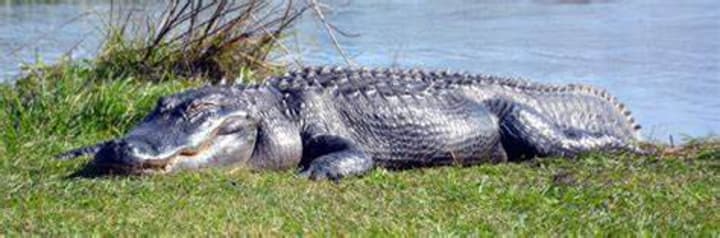
American alligators roam the wetlands of the Mississippi. They are large at up to 15 feet long, making them the largest predators in the area. The good thing is that these alligators are essential to the ecosystem of the rive. They help control the population of other animals by creating “alligator holes” that provide habitats for fish and invertebrates during dry periods. These holes are crucial for maintaining biodiversity. American alligators can be seen sunbathing on the riverbanks.
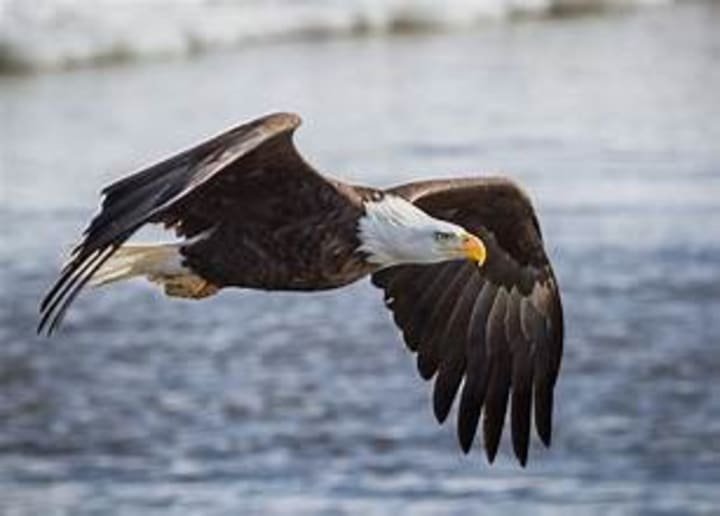
Bald eagles are the national birds of the US. They enjoy soaring above the Mississippi seeking fish. These birds of prey are great hunters and can spot a fish from high above before swooping down and snatching it from the water with their sharp talons. Bald eagles also play a vital role in the ecosystem of the river. The birds control fish populations, thereby maintaining a healthy balance in the aquatic environment.
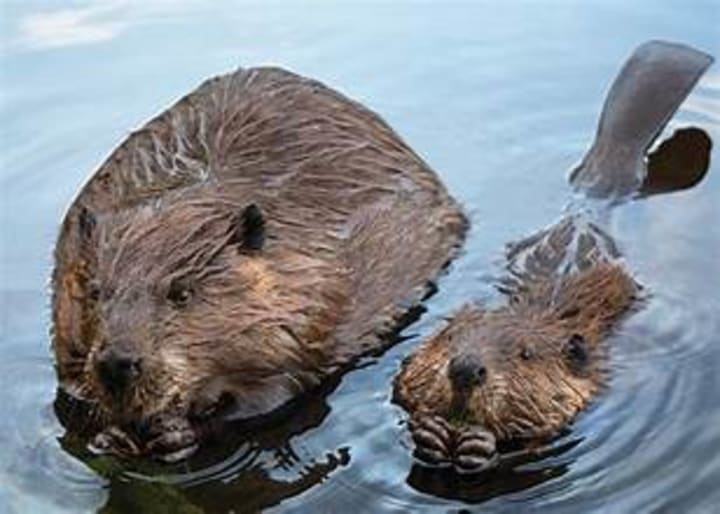
Beavers have always been great engineers and have shaped the Mississippi River landscape with their building skills. Their sharp teeth fell trees and then they create dams and lodges to use for shelter in protection from predators. Their dams create ponds that are habitats for various aquatic species. These ponds also help regulate water flow, reducing erosion and maintaining water quality.

Channel catfish are known for their distinctive whisker-like barbels and smooth, scaleless bodies. They are bottom-dwelling fish that can grow quite large, over fifty pounds. Their diet includes a wide range of choices, from insects and crustaceans to smaller fish and plant material. This diversity allows them to thrive in varying environmental conditions. Fishing for catfish is a popular activity along the Mississippi River, attracting anglers who enjoy the challenge of catching these powerful fish.
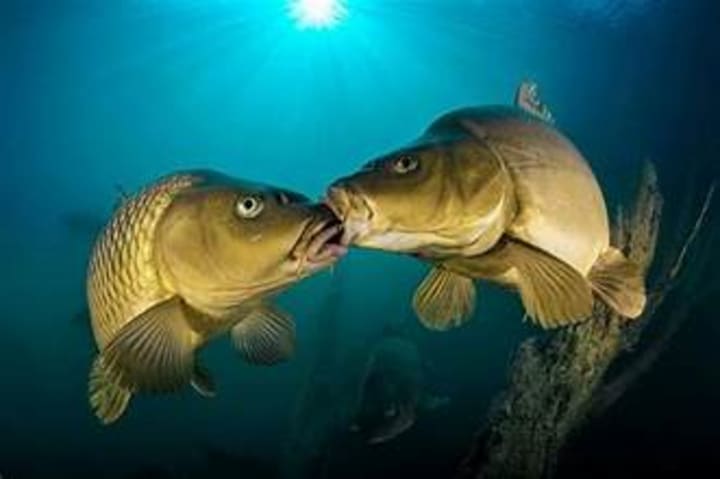
Common carps are large, golden-scaled fish that have adapted well to the river’s ecosystem. These fish are bottom-feeders that use their sensitive barbels to detect food in the sediment. Their diet includes insects, crustaceans, and plant material, contributing to the river’s complex food web. Anglers often enjoy fishing for carp due to their size and strength, providing a challenging and rewarding experience.
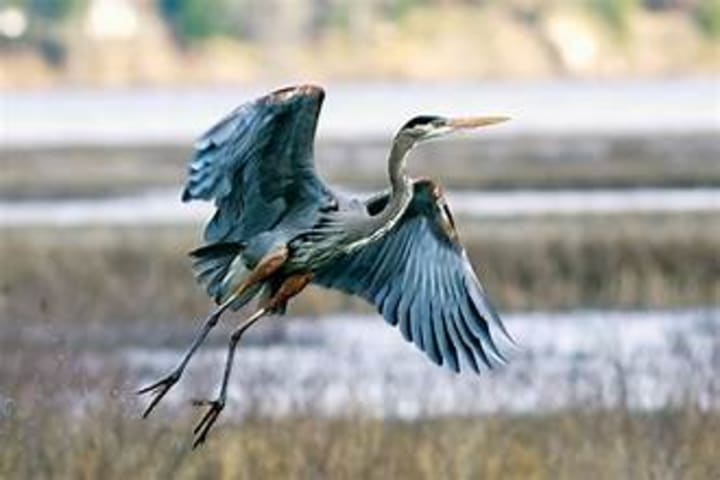
Great blue herons are considered the true icons of the wetlands of the Mississippi. These birds stand more than four feet tall with a wingspan that can reach up to six feet. They are elegant-looking birds with bluish-gray plumage and distinctive long necks. They are known for their hunting skills and wade through the shallows searching for fish. With fast reflexes and their sharp beaks, they snatch up fish.
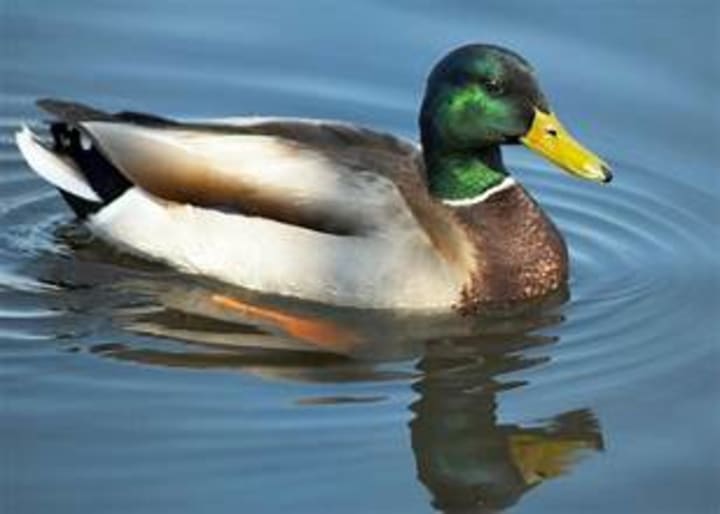
Mallard ducks are among the most recognizable of the waterfowl on the Mississippi. Male ducks are known for their iridescent green heads while female ducks have a more camouflaged brown appearance. These are adaptable birds thriving in various habitats from quiet backwaters to bustling urban areas along the river. Their diet consists of aquatic plants, insects, and small fish, making them versatile feeders and important contributors to the river’s food web.
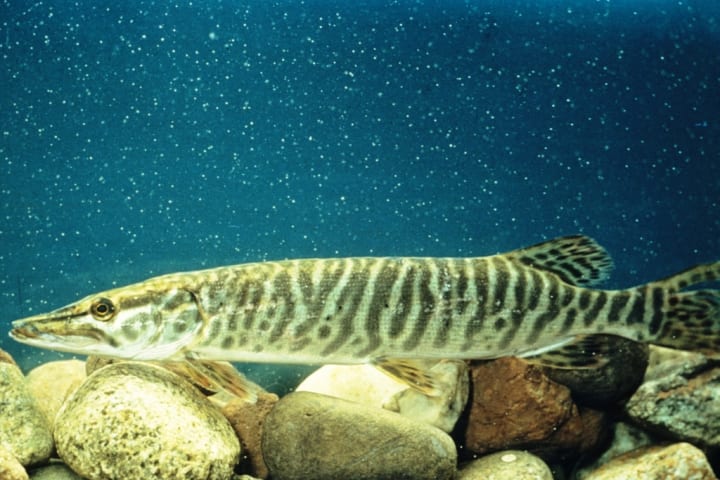
Muskellunges, or muskies, are known for their size and great hunting skills. These fish can grow more than 60 inches long which makes them one of the largest freshwater predators in North America. They lie in wait, using their camouflaged appearance to blend into their surroundings, and strike with lightning speed when prey comes close.
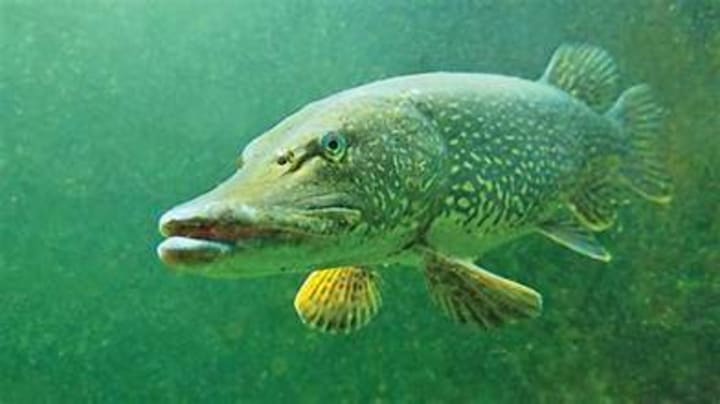
Northern pike are known for their sleek, elongated bodies and sharp teeth. These fish are great hunters with keen senses and lightning-fast reflexes. Their diet includes fish, amphibians, and even small mammals. Northern Pike play a vital role in maintaining balance within the river’s ecosystem. Their hunting prowess keeps the populations of smaller fish in check, contributing to the overall health of the aquatic environment.
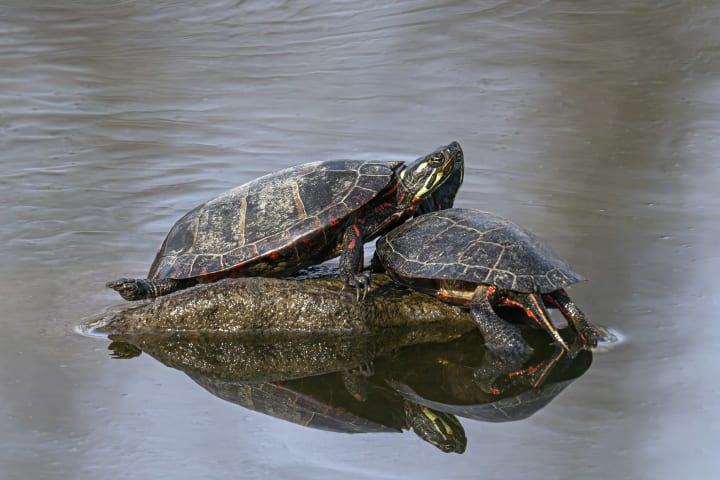
Painted turtles are known for their vibrant and colorful shells. These aquatic reptiles enjoy basking in the sun on logs or rocks. The rays of the sun regulate their body temperature. These turtles are omnivores and feed on aquatic plants, insects, and small fish, thereby maintaining the balance of the food web.
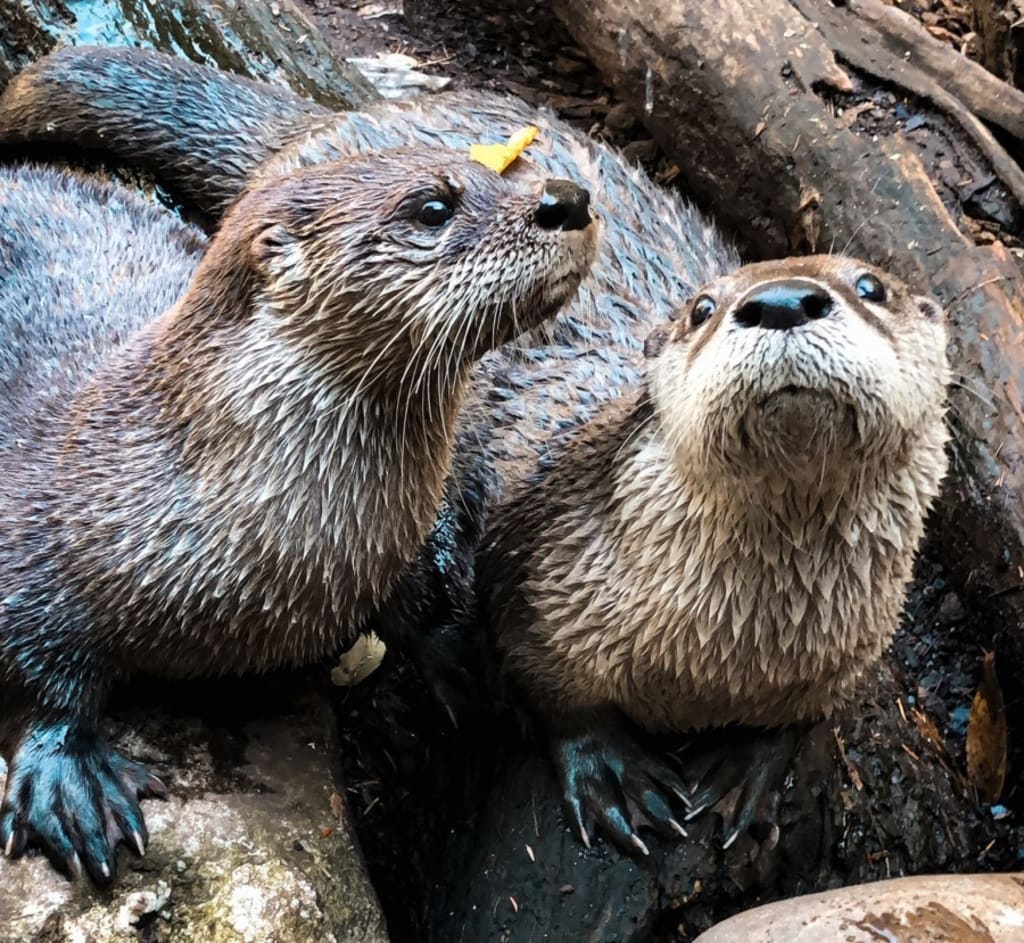
River otters are mammals that enjoy the waters of the river. (pictured above) They are playful animals and very agile. These are social creatures found in family groups, communicating with a range of chirps and whistles. They enjoy chasing and capturing fish. River otters play an important role in the river ecosystem by helping control fish populations, maintaining balance in the aquatic environment. Their presence is often an indicator of good water quality, as they require clean, unpolluted water to thrive.
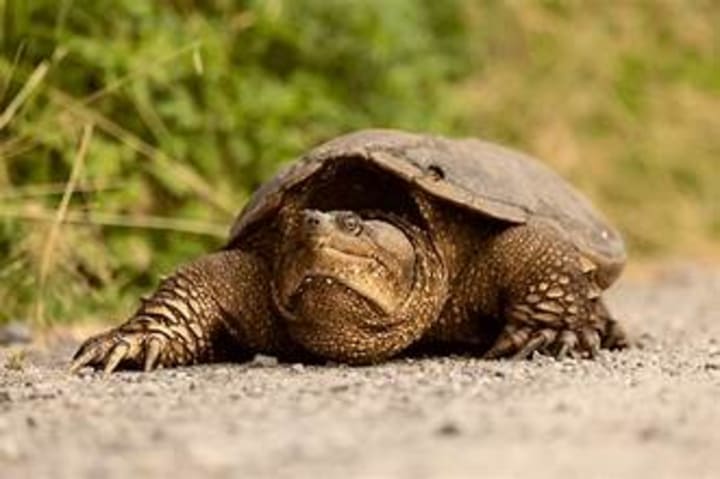
Snapping turtles are known for their large size and powerful bites. Helping the river ecosystem, these turtles feed on dead fish and other organic matter, contributing to the nutrient cycle and water clarity. These are solitary creatures and can be seen basking in the sun on logs.

Wood ducks have colorful plumage; the males have iridescent green and purple feathers. These ducks are cavity nesters, choosing old trees along the riverbank to raise their young. They have the ability to perch on branches. To help the river ecosystem, wood ducks feed on seeds, insects, and aquatic plants.
About the Creator
Rasma Raisters
My passions are writing and creating poetry. I write for several sites online and have four themed blogs on Wordpress. Please follow me on Twitter.
Keep reading
More stories from Rasma Raisters and writers in Earth and other communities.
Amazing Animals Somalia
The African country of Somalia straddles both the temperate and tropical zones of the Horn of Africa. There is a long coastline stretching along the Indian Ocean and also the Gulf of Aden. Somalia has 177 species of mammals, 235 species of reptiles, and 727 species of birds.
By Rasma Raisters4 months ago in Earth
Pretty Privilege vs. Pretty Punishment
In today’s image-driven world, beauty is often described as a superpower. Attractive people are believed to get more opportunities, more attention, and more advantages in life. This phenomenon is commonly called pretty privilege. But there is another side of this story that is discussed far less often — pretty punishment.
By Aarif Lasharia day ago in Earth



Comments
There are no comments for this story
Be the first to respond and start the conversation.