
life in 2050
what would our life's look like in the future
The year 2050 is not too far off, and with the rapid pace of technological advancements and societal changes, it's interesting to speculate on what our lives will be like in just a few short decades. While it's impossible to predict the future with complete accuracy, we can make some educated guesses based on current trends and projections.
One of the most significant changes we can expect is in the realm of technology. Artificial intelligence (AI) and automation will be even more pervasive, impacting the way we work, communicate, and live. Smart homes and cities will be the norm, with interconnected devices and systems seamlessly working together to make our lives more efficient and convenient. Self-driving cars will be a common sight on the roads, and drone deliveries will be the norm, making transportation and shipping faster and more efficient.
Virtual and augmented reality technology will also become more advanced, blurring the lines between the physical and digital worlds. This technology will be used in various fields, from entertainment to education and healthcare. For example, virtual reality could be used to simulate medical procedures for training purposes, or to provide immersive learning experiences for students.
Another significant change we can expect is in the way we produce and consume energy. Climate change will continue to be a pressing issue, and we can expect a greater focus on sustainability and renewable energy sources. Solar and wind power will become even more cost-effective, making it more accessible to households and businesses. There will also be a greater emphasis on energy-efficient buildings and infrastructure, with smart systems managing energy usage in real-time.
In addition to changes in technology and energy, demographic shifts will also shape the future. An aging population will mean that healthcare will become even more critical, with personalized medicine and gene therapy becoming more widespread. At the same time, increased diversity will bring new challenges and opportunities, leading to a more globalized and interconnected world.
However, with these advancements come new challenges and potential downsides. Concerns around privacy and cybersecurity will be even more critical, as we rely more on interconnected devices and systems. The potential for job displacement due to automation and AI could also be a significant issue, leading to greater income inequality and social unrest.
Despite these challenges, the future in 2050 holds much promise. It will be a world that is more connected, sustainable, and equitable. With advancements in technology, we can expect to see new solutions to age-old problems, such as poverty, disease, and environmental degradation. For example, AI could be used to identify patterns in data that help us better understand and solve complex issues like climate change.
In terms of education, there will be a greater emphasis on lifelong learning and reskilling. With the pace of technological change and job displacement, workers will need to continually update their skills and knowledge to stay competitive in the workforce.
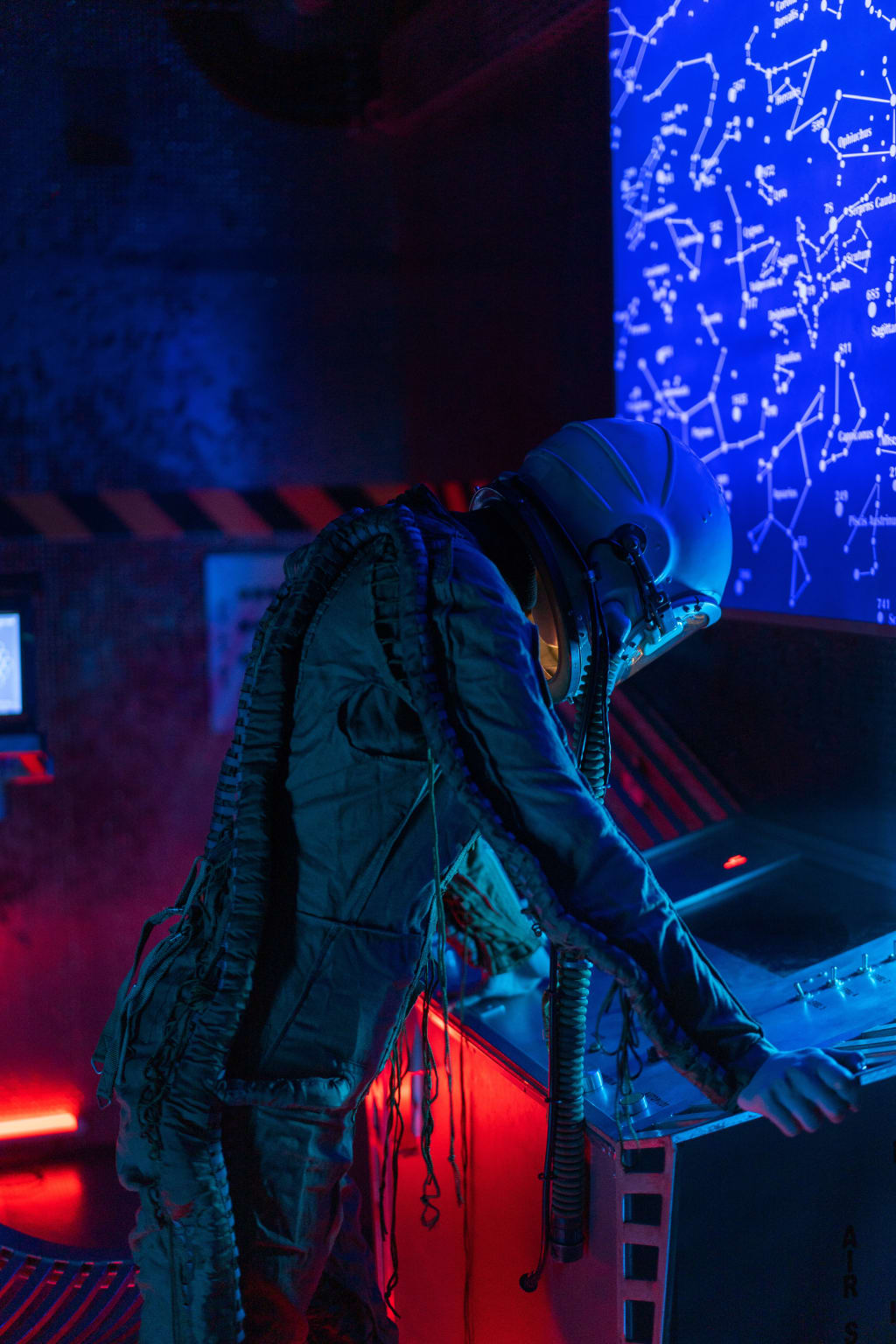
Another significant change we can expect in the future is the increasing role of space exploration and space technology. With the ongoing efforts by private companies and national space agencies to explore the Moon and Mars, we can expect to see more investment in space technology and infrastructure. This could lead to new opportunities in space mining, colonization, and tourism, with space travel becoming more accessible and affordable.
In addition to space exploration, we can also expect to see significant advancements in the field of biotechnology. Gene editing, tissue engineering, and personalized medicine will become even more advanced, leading to new treatments and cures for previously incurable diseases. This could have a significant impact on global health outcomes, as we see the eradication of diseases like malaria and tuberculosis.
Another area of focus in the future will be sustainability and environmental conservation. As we continue to see the impacts of climate change, there will be greater urgency to reduce our carbon footprint and transition to a low-carbon economy. This could lead to significant changes in the way we live and work, with a greater emphasis on renewable energy, sustainable transportation, and reduced waste.
In terms of society and culture, the future will likely be marked by greater diversity and inclusivity. With increased globalization and technological connectivity, we will see more cultural exchange and collaboration across borders. This could lead to the creation of new hybrid cultures and a more globalized approach to art, music, and fashion.
Education will also be transformed by technology and societal changes. With the rise of online learning and digital education platforms, we can expect to see a greater emphasis on personalized and adaptive learning. This could lead to more efficient and effective education outcomes, as students are able to learn at their own pace and in their own way.
While the future holds much promise, there are also potential risks and downsides that we must be aware of. For example, the increasing power and influence of AI and automation could lead to job displacement and income inequality. We may also see increased polarization and social unrest, as society grapples with the challenges of globalization and technological change.
To mitigate these risks, it will be essential to prioritize ethical considerations and responsible innovation. This means designing technology and systems that are inclusive, transparent, and accountable. It also means fostering a culture of innovation that is grounded in social responsibility and environmental sustainability.
In conclusion, the future in 2050 will be shaped by technological advancements, demographic shifts, and environmental concerns. It will be a world that is more interconnected, sustainable, and equitable, with new solutions to old problems. While there will undoubtedly be challenges and potential downsides, it's important to approach the future with a sense of optimism and an eye toward creating a better world for ourselves and future generations.
About the Creator
Keep reading
More stories from writers in Earth and other communities.
The Human Side of the Storm: How Weather Radar Changed the Way I See the Sky
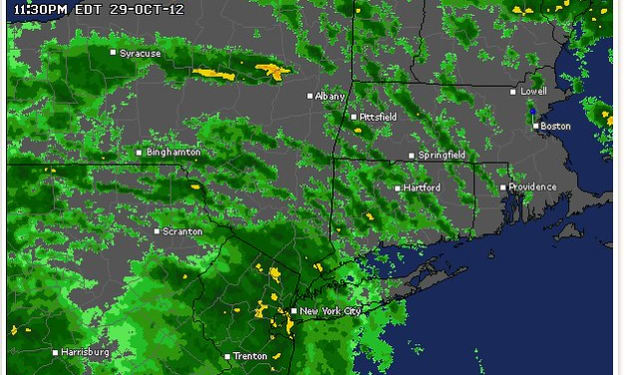
When I was a kid, watching the local meteorologist felt like watching a magician. The radar behind them—a swirl of greens, yellows, and reds—was an enchantment. They’d point, circle, and predict where the storm would move, and somehow, they were always close enough to right. I didn’t know it then, but I was watching the visible language of data before I ever knew what data was. The radar was our oracle, and every flash of color meant something invisible but immediate: wind, rain, and risk.
By Trend Vantagea day ago in Earth
Five—One Grounding
Five—Locked in a perpetual battle against my failing senses and reason, I fight to survive, to get through; I am afraid of... nothingandeverythingallatonce—...—my mouth is dry, and my muscles seize up... what can I see? I can see the birdcage and birds; I can see the watercolour my beautiful wife painted many years ago and unlocked her journey into art; I can see the empty mug of tea as it sits perilously on the arm of the sofa; how many is that now? Three down, two to go; I can also see a jackdaw on the roof of our neighbour's house across the road and a bookcase of potential—Five things you can see.
By Paul Stewart6 days ago in Poets



Comments
There are no comments for this story
Be the first to respond and start the conversation.