Latest Stories
Most recently published stories in Earth.
United States Water Purifier Market Size & Forecast 2025–2033. AI-Generated.
United States Water Purifier Market Overview The United States Water Purifier Market is witnessing sustained growth as water safety concerns, health consciousness, and technological innovation converge to reshape household and commercial water consumption habits. According to Renub Research, the market is projected to expand from US$ 17.30 Billion in 2024 to US$ 29.73 Billion by 2033, registering a healthy CAGR of 6.20% from 2025 to 2033.
By Janine Root 16 days ago in Earth
Rare Kona Low Brings Heavy Rain and Snow to Hawaii’s Volcano Summits
Just when many had packed away thoughts of winter weather, Hawaii offered a striking reminder that even the most tropical landscapes can face dramatic seasonal shifts. Beginning late last weekend, a robust weather system known as a Kona Low swept across the islands, soaking the state with heavy rain and unleashing snow and ice atop the volcanic summits of Mauna Kea and Mauna Loa — a scene that startled visitors and locals alike.
By Raviha Imran16 days ago in Earth
Stanislav Kondrashov on the Future of Work in the Age of the Energy Transition
As the world steadily moves away from fossil fuels, the shift toward sustainable energy is reshaping not only infrastructure but the very fabric of the global workforce. According to industry analyst and sustainability advocate Stanislav Kondrashov, the years ahead will bring seismic changes to employment—disrupting traditional sectors while giving rise to a new class of critical roles.
By Stanislav Kondrashov16 days ago in Earth
UK Weather Live: Ice Warnings Issued Across Country as Britain Braces for Storm Goretti to Bring Heavy Snow. AI-Generated.
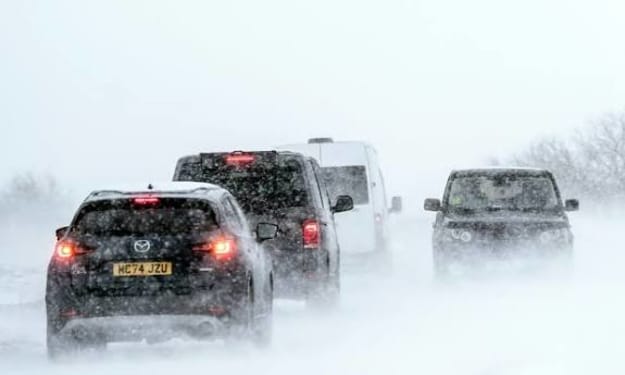
Britain is preparing for a significant weather event as Storm Goretti approaches, bringing forecasts of heavy snow, freezing temperatures, and widespread ice warnings. The UK Met Office has issued alerts across much of the country, urging residents to take precautions and prepare for potentially disruptive conditions over the coming days. From schools to transport networks, authorities are bracing for the impact of the storm, which is expected to hit both urban and rural areas with equal intensity. Storm Goretti: What We Know Meteorologists describe Storm Goretti as a winter system with strong winds and the potential for significant snow accumulation. The storm is forecast to sweep across the UK, starting in the northern regions before moving southwards, leaving a trail of icy roads and hazardous conditions. Snowfall could reach several inches in higher altitudes, while temperatures are expected to drop below freezing in many parts of the country. The Met Office has issued severe weather warnings, including amber alerts for ice, highlighting the risks to both drivers and pedestrians. “We are expecting treacherous conditions on roads and pavements, with black ice forming in the early hours and throughout the day,” warned a spokesperson. “Residents should avoid unnecessary travel where possible and take extra care if venturing outside.” Impact on Travel and Transport Transport services are already feeling the effects of the impending storm. Rail operators have warned of potential delays and cancellations, particularly in northern England and Scotland, where snow is expected first. Airports across the UK are on high alert, with staff preparing to de-ice aircraft and manage potential flight disruptions. Road networks are particularly vulnerable, with authorities advising motorists to plan ahead, drive cautiously, and carry essential winter supplies. Gritting teams have been deployed across the country, but with widespread ice warnings, officials emphasize that caution is still paramount. Emergency services have also increased staffing in anticipation of weather-related accidents and incidents. Public transport users are urged to check service updates regularly, as bus routes and train lines may be altered or suspended depending on local conditions. For commuters, remote working arrangements are recommended where feasible, and schools are considering closures or delayed openings to ensure student safety. Preparing for Storm Goretti Experts recommend that residents take proactive measures to prepare for the storm. This includes checking heating systems, ensuring adequate food and water supplies, and keeping mobile devices charged in case of power outages. Walking and driving in icy conditions can be dangerous, so wearing appropriate footwear, using handrails, and avoiding unnecessary journeys is strongly advised. Local councils and community groups are also mobilizing to support vulnerable populations, including the elderly and those with mobility issues. Volunteers are being organized to deliver essential supplies and check on residents who may be isolated due to snow or ice. The Broader Context: UK Winter Patterns Storm Goretti is part of a pattern of increasingly erratic winter weather affecting the UK in recent years. While Britain typically experiences snow and frost in winter, the intensity and unpredictability of storms have grown, challenging emergency services and infrastructure alike. Climate experts suggest that shifting weather patterns, influenced by global climate change, are contributing to more extreme and sudden weather events across Europe. The combination of heavy snow, ice, and cold temperatures poses risks not only to travel but also to public health. Hypothermia, slips, and falls become more likely, and hospitals often report higher numbers of winter-related injuries during periods of severe weather. Health authorities are therefore reminding the public to stay warm, stay safe, and seek medical attention if needed. Looking Ahead: What to Expect Forecasts indicate that Storm Goretti will continue to affect the UK for several days, with snow accumulation and ice risks persisting into the weekend. The Met Office will continue to issue live updates, with warnings potentially upgraded or extended as conditions evolve. Authorities stress that public vigilance is crucial. Staying informed, taking precautionary measures, and avoiding unnecessary risks are essential to minimizing the storm’s impact. Residents are encouraged to follow official guidance, heed transport updates, and check in on vulnerable neighbors or family members during the storm. In conclusion, Storm Goretti serves as a stark reminder of the challenges that winter weather can bring to Britain. With heavy snow, freezing temperatures, and widespread ice warnings, preparation and caution are key. By staying informed and following official advice, Britons can navigate the storm safely, protecting themselves and their communities as the country weathers yet another severe winter event.
By Fiaz Ahmed Brohi16 days ago in Earth
Australia Leisure Battery Market Set to Expand to USD 417.6 Million by 2033 Driven by Renewables, Recreation & Innovation. AI-Generated.
he Australia leisure battery market reached USD 295.0 million in 2024 and is forecast to grow to USD 417.6 million by 2033, exhibiting a compound annual growth rate (CAGR) of 3.9 % during 2025–2033. This growth reflects rising consumer demand for portable and off grid power solutions used in recreational activities, renewable energy applications, and advanced battery technologies.
By Rashi Sharma16 days ago in Earth
How To Prepare Raw Land for Development: A Complete Timeline and Checklist
Key Takeaways: The standard process of preparing raw land for development includes three phases, comprising soft (paperwork) and hard work (physical labor). Phase one typically covers the first three months of development and focuses on zoning, title searches, and boundary surveys. Phase two involves developers conducting critical research into soil composition and utility planning; it typically spans months three through six of the development process. Finally, phase three focuses on site preparation, transitioning from the soft work of the previous steps to more labor-intensive work, such as land clearing.
By Andrew Lemieux17 days ago in Earth
Amazon sailfin catfish found in Sindh waters, experts warn of invasive spread
Foreign aquarium species reaches Karachi Fish Harbour, threatening aquatic biodiversity KARACHI: An unusual fish brought from a dhund, or shallow pond, near Sukkur to the Karachi Fish Harbour on January 4, 2026, has been identified as an Amazon sailfin catfish, officials and experts said.
By Dena Falken Esq17 days ago in Earth
Trump’s Venezuela Gambit Tests Investor Appetite for Geopolitical Risk. AI-Generated.
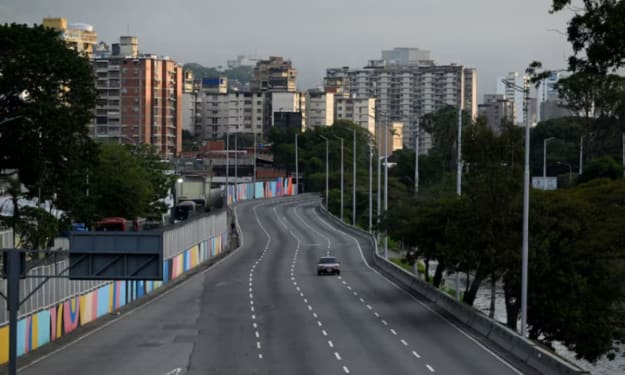
Former U.S. President Donald Trump’s renewed hardline posture toward Venezuela has reopened a familiar—but newly volatile—front in global geopolitics. By signaling tougher enforcement of sanctions and hinting at a recalibration of U.S. policy toward Caracas, Trump has injected uncertainty into energy markets and emerging-market assets, forcing investors to reassess how much geopolitical risk they are willing to absorb. For Wall Street and global funds alike, Venezuela has long been a paradox: a country with some of the world’s largest proven oil reserves, yet burdened by sanctions, political instability, and institutional collapse. Trump’s gambit is testing whether investors believe opportunity can outweigh risk—or whether capital will once again retreat at the first sign of escalation. Why Venezuela Is Back on the Radar Venezuela’s reemergence in U.S. political discourse is not accidental. Energy security has climbed back to the top of global priorities, driven by conflicts, sanctions, and supply chain disruptions. With oil prices sensitive to geopolitical shocks, even marginal producers can influence sentiment. During Trump’s previous term, the United States imposed sweeping sanctions aimed at pressuring President Nicolás Maduro to step down. Those measures sharply curtailed Venezuela’s oil exports and isolated its financial system. While later policy adjustments under subsequent administrations allowed limited easing—particularly to stabilize energy markets—Trump’s rhetoric suggests a return to maximum pressure. For investors, this raises a critical question: are sanctions about to tighten again, and if so, what does that mean for oil flows, regional stability, and risk premiums? Markets React to Policy Signals, Not Just Policy Financial markets are forward-looking. They react not only to decisions but to signals—and Trump’s statements are powerful signals. Even without immediate policy changes, the prospect of tougher sanctions or diplomatic confrontation can shift investor behavior. Oil traders are watching closely. Venezuela’s production remains far below its historical peak, but incremental barrels matter in a tight market. Any hint that U.S. policy could disrupt exports—even indirectly—tends to push volatility higher. Beyond oil, Venezuela-linked assets are thinly traded but symbolically important. Bonds, energy service contracts, and regional equities can swing sharply on geopolitical headlines, reinforcing the perception that politics, not fundamentals, drives outcomes. Investor Appetite Meets Political Reality The core test posed by Trump’s Venezuela gambit is whether investors are prepared to price in elevated geopolitical risk for potential upside. Some funds specialize in distressed assets, betting on political shifts or partial normalization. Others prefer stability and predictability, steering clear of jurisdictions where policy can change overnight. In recent months, there has been cautious interest in Venezuela-related opportunities, fueled by limited sanctions relief and the prospect—however remote—of political dialogue. Trump’s stance complicates that calculus. A harder U.S. line could reverse fragile gains, leaving investors exposed to sudden losses. For institutional investors with strict compliance requirements, even the perception of heightened sanctions risk can be enough to stay away. The Energy Dimension: Oil as Leverage Energy sits at the center of this drama. Venezuela’s oil sector has deteriorated after years of underinvestment and mismanagement, but it still represents strategic leverage. For Washington, sanctions are a tool to influence behavior; for Caracas, oil is both lifeline and bargaining chip. Trump’s approach historically framed sanctions as pressure mechanisms rather than negotiating tools. If that philosophy returns, markets may expect less flexibility and more confrontation. That expectation alone can deter capital, slow production recovery, and amplify price swings. Ironically, tighter sanctions could also strengthen Venezuela’s reliance on non-Western partners, reshaping trade routes and complicating enforcement—another layer of uncertainty investors must weigh. Regional Spillovers and Emerging Market Risk Venezuela does not exist in isolation. Its instability has ripple effects across Latin America, from migration pressures to regional energy dynamics. For investors, this means contagion risk. A sharper U.S.–Venezuela standoff could elevate risk premiums for neighboring markets, particularly those with political fragility or economic ties to Caracas. Currency volatility, capital outflows, and equity selloffs often follow periods of heightened regional tension. In this sense, Trump’s gambit tests not just appetite for Venezuela-specific risk, but for emerging markets broadly—especially at a time when global interest rates and macro uncertainty already weigh on sentiment. Election-Year Calculations and Uncertainty Trump’s Venezuela rhetoric also carries a domestic political dimension. Hardline foreign policy positions can resonate with certain voter blocs, particularly in an election context. For investors, election-year geopolitics are notoriously difficult to model. Policy announcements may serve political messaging rather than economic strategy, increasing the likelihood of abrupt shifts. Markets dislike surprises, and Trump’s unpredictability—whether admired or criticized—adds a premium to uncertainty. As a result, investors may demand higher returns to compensate for risk, or simply choose to allocate capital elsewhere. What Investors Are Watching Next Several indicators will shape market reaction in the months ahead: Sanctions enforcement: Any concrete moves to tighten or expand restrictions would have immediate market impact. Oil export data: Changes in Venezuelan output or shipment patterns will signal whether rhetoric is translating into reality. Diplomatic posture: Engagement—or lack thereof—with allies and regional partners will influence how isolated or escalatory U.S. policy becomes. Corporate exposure: Energy companies and service providers will reassess involvement, offering clues about private-sector confidence. Together, these signals will determine whether Trump’s gambit remains a headline risk or becomes a material market driver. A Calculated Risk—or a Warning Shot? It remains unclear whether Trump’s stance is a negotiating tactic, a campaign message, or a preview of future policy. For investors, the distinction matters less than the risk it introduces. Venezuela’s story has taught markets a hard lesson: political risk can overwhelm fundamentals. Even the promise of vast resources cannot compensate for uncertainty when rules change without warning. Conclusion Trump’s Venezuela gambit is testing investor appetite for geopolitical risk at a time when markets are already navigating inflation, interest rate shifts, and global instability. By reopening the question of sanctions and U.S. policy toward Caracas, Trump has reminded investors that politics remains a powerful market force. Whether capital retreats or selectively engages will depend on how rhetoric translates into action. But one thing is clear: in today’s interconnected world, geopolitical gambits do not stay confined to diplomacy—they ripple through markets, portfolios, and risk calculations worldwide.
By Muhammad Hassan17 days ago in Earth
Gunmen Raid Village in Northern Nigeria, Killing at Least 30 People and Abducting Others. AI-Generated.
Northern Nigeria has once again been plunged into mourning after gunmen raided a rural village, killing at least 30 people and abducting several others, according to local authorities and residents. The deadly assault is the latest in a long series of violent attacks that have turned large parts of the region into zones of fear, displacement, and chronic instability. The incident underscores Nigeria’s deepening security crisis, where armed groups operate with alarming ease, targeting vulnerable communities and overwhelming local defenses. The Night of the Attack The attack occurred in the late hours when armed men stormed the village on motorcycles, firing indiscriminately and setting homes ablaze. Survivors described scenes of chaos as residents fled into nearby bushes in a desperate attempt to escape the violence. Witnesses say the attackers moved from house to house, killing civilians and forcibly abducting several villagers, including women and children. By the time security forces arrived, the gunmen had already retreated, leaving behind burned homes, lifeless bodies, and traumatized survivors. Local officials confirmed that at least 30 people were killed, though the death toll may rise as search efforts continue. A Region Trapped in Violence Northern Nigeria has become a hotspot for armed violence over the past decade. What began as localized criminal activity has evolved into a complex web of banditry, terrorism, and communal conflict. Armed groups — often referred to as bandits — carry out raids for ransom, cattle theft, and territorial control. Entire villages have been emptied as residents flee repeated attacks, contributing to a growing internal displacement crisis. In many areas, residents say they feel abandoned, with limited security presence and slow emergency response times. Abductions as a Weapon of Terror One of the most disturbing aspects of the attack was the abduction of villagers. Kidnappings have become a defining feature of insecurity in northern Nigeria, used both as a source of income and a tactic to instill fear. Victims are often held in remote forest camps, with families forced to negotiate ransoms they can barely afford. In some cases, abducted individuals are never seen again. Human rights organizations warn that mass abductions are becoming normalized, eroding trust in authorities and leaving communities feeling helpless. Security Forces Under Pressure Nigeria’s military and police face immense challenges in combating armed groups operating across vast and difficult terrain. While security forces have launched operations against bandits, limited resources, intelligence gaps, and difficult geography hinder sustained success. Residents often complain that security personnel arrive only after attacks have occurred. In remote villages, warning systems are weak, and communication infrastructure is limited. The latest attack has reignited criticism of the government’s security strategy, with calls for better intelligence, faster response times, and increased protection for rural communities. Humanitarian Impact and Displacement Beyond the immediate loss of life, attacks like this leave lasting humanitarian consequences. Survivors are often forced to abandon their homes, seeking refuge in overcrowded camps or neighboring towns. Food insecurity worsens as farmlands are abandoned, contributing to rising hunger across the region. Children miss school, healthcare access declines, and communities that once relied on farming and trade are pushed deeper into poverty. Aid organizations warn that without improved security, humanitarian needs in northern Nigeria will continue to grow. Government Response and Public Outrage Nigerian authorities have condemned the attack and vowed to pursue those responsible. Statements from officials emphasized the government’s commitment to restoring peace and bringing perpetrators to justice. However, public frustration is mounting. Many citizens question why attacks continue despite repeated promises of improved security. Social media platforms have been flooded with calls for accountability, reform, and stronger protection for vulnerable communities. For many Nigerians, words are no longer enough — they are demanding tangible results. The Broader Security Crisis The village raid is part of a broader national security challenge that includes insurgency in the northeast, separatist violence in the southeast, and widespread banditry in the northwest and north-central regions. Experts argue that addressing the crisis requires more than military action. Poverty, unemployment, weak governance, and the proliferation of illegal weapons all fuel instability. Without tackling these root causes, analysts warn that violence will continue to resurface in new forms and locations. Lives Lost, Questions Unanswered For the families who lost loved ones, the tragedy is deeply personal. Funerals are being held amid fear that attackers could return. Survivors grapple with trauma, loss, and uncertainty about the future. Many villagers are asking painful questions: Why was there no protection? Why do these attacks keep happening? And how many more lives must be lost before meaningful change occurs? These questions echo far beyond one village, resonating across a nation struggling to protect its citizens. Conclusion The deadly raid on a village in northern Nigeria, which left at least 30 people dead and others abducted, is a stark reminder of the country’s ongoing security crisis. It highlights the vulnerability of rural communities and the urgent need for effective, sustained solutions. Until security improves, villages will remain targets, civilians will continue to suffer, and the cycle of violence will persist. For Nigeria, the challenge is not only to respond to each attack but to create conditions where such atrocities no longer occur. The lives lost in this latest raid demand more than sympathy — they demand action, accountability, and a renewed commitment to protecting the most vulnerable.
By Muhammad Hassan17 days ago in Earth
Storm Goretti Brings Warning of Heavy Snow in Wales: What Residents Need to Know. AI-Generated.
As winter grips the United Kingdom, Wales is bracing for the impact of Storm Goretti, a severe weather system that has prompted urgent warnings of heavy snowfall across multiple regions. Meteorologists have indicated that the storm could bring significant disruption to transport, energy supplies, and daily life, urging residents to take precautions and plan ahead. Understanding Storm Goretti Storm Goretti is the latest in a series of extreme weather events affecting the UK this season. According to the UK Met Office, the storm is characterized by intense low-pressure systems, heavy precipitation, and strong winds. Snowfall is expected to be heaviest in elevated areas such as the Brecon Beacons, Snowdonia, and the Cambrian Mountains, with some locations potentially seeing up to 12 inches (30 cm) of snow over a 24-hour period. Forecasters have highlighted that the storm could combine heavy snow with freezing temperatures, increasing the risk of hazardous conditions on roads and public transport systems. Authorities are urging residents to avoid unnecessary travel and stay updated through official channels. Regional Impact and Travel Disruptions Wales is particularly vulnerable due to its mountainous terrain and rural transport networks. Local councils have already activated their winter emergency plans, deploying snowplows, gritters, and other snow-clearing machinery to keep key roads operational. However, forecasters warn that secondary roads may become impassable, and rural communities could experience temporary isolation. Air and rail travel may also face interruptions. Cardiff Airport and regional train services have issued advisories to passengers, highlighting the potential for delays and cancellations. Commuters are encouraged to check schedules before traveling and to allow extra time for journeys. Safety Measures for Residents With temperatures expected to plummet, safety precautions are vital. Authorities recommend: Avoiding non-essential travel and staying indoors during peak snowfall. Stocking essential supplies including food, water, and medicines. Preparing homes for freezing temperatures, ensuring heating systems are operational and pipes are insulated to prevent bursting. Checking on vulnerable neighbors, particularly the elderly or those with limited mobility. Local emergency services have been placed on high alert, ready to respond to incidents caused by snow, ice, and flooding in low-lying areas. Residents are encouraged to follow updates from the Met Office and local councils to remain informed of evolving conditions. Environmental and Social Implications Beyond immediate disruption, Storm Goretti highlights broader concerns about climate variability and its increasing effect on winter weather in the UK. Experts note that while heavy snowfall is a seasonal expectation, the intensity and unpredictability of storms have increased in recent years. These conditions pose challenges for infrastructure resilience, energy security, and community preparedness, particularly in regions already prone to isolation during harsh winters. The storm is also expected to impact daily life, including school closures, delayed deliveries, and potential interruptions to medical services. Authorities emphasize that community cooperation is crucial to ensuring safety and minimizing disruption. Historical Context Wales has a long history of dealing with winter storms, from the severe blizzards of the 1980s to more recent events such as Storm Arwen in 2021. Lessons from past storms have informed modern emergency planning, including better snow-clearing strategies, early warning systems, and public advisories. Despite these measures, extreme weather like Storm Goretti can still challenge even the most prepared communities, demonstrating the ongoing need for vigilance and adaptive planning. Conclusion Storm Goretti serves as a stark reminder of the power of nature and the importance of preparedness. Residents of Wales are urged to take official warnings seriously, stay safe, and check in on neighbors during this period of harsh winter weather. While storms like Goretti disrupt daily life, they also highlight the resilience and solidarity of communities in Wales. By following guidance from the Met Office, local councils, and emergency services, the public can mitigate risks and navigate the storm with safety and awareness. As the storm progresses, authorities continue to monitor conditions closely, updating forecasts and advisories. For residents, staying informed and prepared is the best defense against the challenges posed by Storm Goretti.
By Fiaz Ahmed Brohi17 days ago in Earth